Category Archives: Travel

Views: Taipei Performing Arts Center In Taiwan

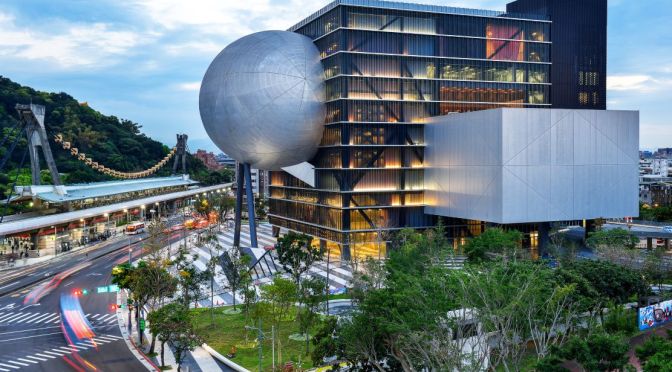
Viewers can explore the interiors of the newly-opened Taipei Performing Arts Center by Dutch studio OMA in this drone video, produced by Shephotoerd Co. Photography.

Opened to the public on 7 August, the Taipei Performing Arts Center is a 59,000-square-metre cultural venue in Taiwan that incorporates three unique theatres.

Read more on Dezeen: https://www.dezeen.com/?p=1829625
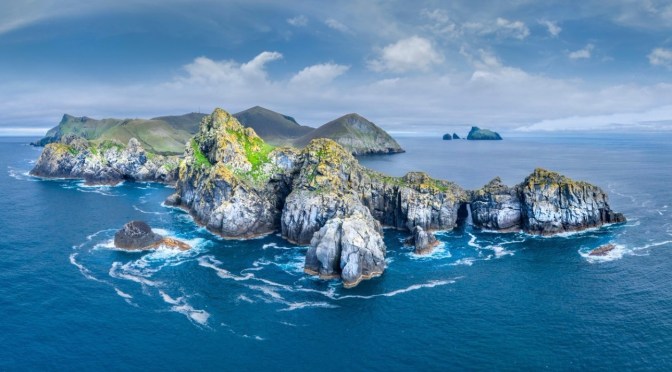
Island View: St. Kilda In The Outer Hebrides, Scotland

There is no place like St Kilda. Towering out of the storm-tossed waters of the Atlantic Ocean, its cliffs and sea stacks clamour with the cries of hundreds of thousands of seabirds.

Internationally recognised for its birdlife, St Kilda is no less famous for its human history. A community existed here for at least 4,000 years, exploiting the dense colonies of gannets, fulmars and puffins for food, feathers and oil.

The final 36 islanders were evacuated in 1930. Now uninhabited, visitors can brave the weather to sail to the ‘islands at the edge of the world’ for the experience of a lifetime.

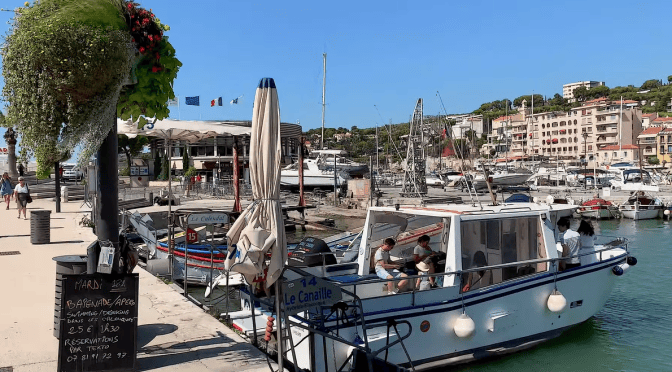
Walking Tours: Cassis In Southeastern France (4K)

Cassis is a Mediterranean fishing port in southern France. Overlooked by a centuries-old château, it’s known for pebbly beaches and its calanques, narrow inlets framed by steep, limestone cliffs. The harbor features pastel-colored buildings, sidewalk cafes and restaurants. Local vineyards are known for producing Cassis white wine. Trails run along the huge, rocky Cap Canaille headland for panoramic sea views.

Mongolia Views: The 650-Mile ‘Mongol Derby 2022’

Each year in the wide open spaces of Mongolia, the Mongol Derby takes place, extending over 650 miles, is known to be the world’s longest and most difficult horse race, lasting two weeks. The course shifts slightly each year but is a recreation of the horse messenger system created hundreds of years ago by Genghis Khan.

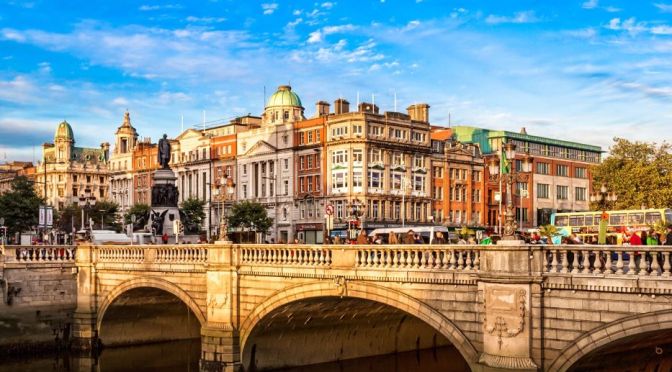
Travel Views: Dublin In Eastern Ireland (4K)

Dublin, capital of the Republic of Ireland, is on Ireland’s east coast at the mouth of the River Liffey. Its historic buildings include Dublin Castle, dating to the 13th century, and imposing St Patrick’s Cathedral, founded in 1191. City parks include landscaped St Stephen’s Green and huge Phoenix Park, containing Dublin Zoo. The National Museum of Ireland explores Irish heritage and culture. 

Travel Guide: Top Things To Do In Porto, Portugal

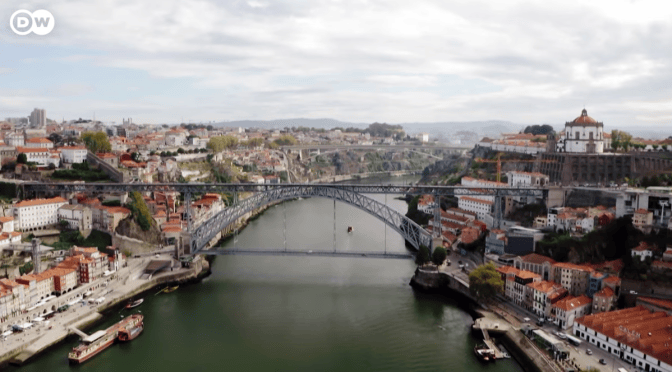
Porto is a coastal city in northwest Portugal known for its stately bridges and port wine production. In the medieval Ribeira (riverside) district, narrow cobbled streets wind past merchants’ houses and cafes. São Francisco Church is known for its lavish baroque interior with ornate gilded carvings. The palatial 19th-century Palácio de Bolsa, formerly a stock market, was built to impress potential European investors.

City Walks: Rotterdam In Southwest Netherlands

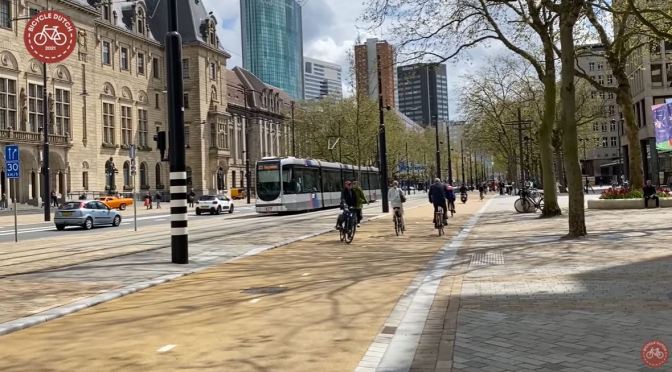
Rotterdam is a major port city in the Dutch province of South Holland. The Maritime Museum’s vintage ships and exhibits trace the city’s seafaring history. The 17th-century Delfshaven neighborhood is home to canalside shopping and Pilgrim Fathers Church, where pilgrims worshiped before sailing to America. After being almost completely reconstructed following WWII, the city is now known for bold, modern architecture.

Aerial Views: Namib Desert In Southern Africa (4K)

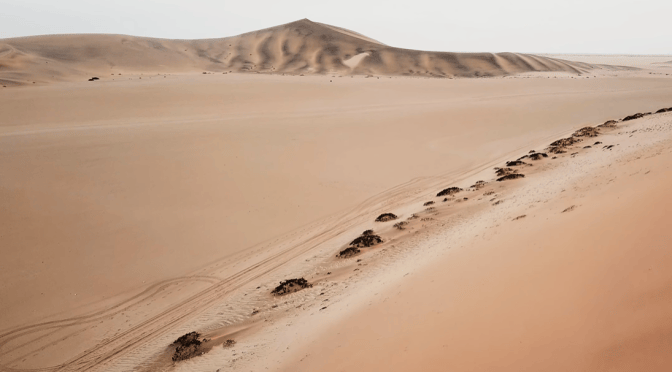
The Namib is a coastal  desert  in  Southern Africa. The name Namib is of Khoekhoegowab origin and means “vast place”. According to the broadest definition, the Namib stretches for more than 2,000 kilometres (1,200 mi) along the Atlantic coasts of Angola, Namibia, and South Africa, extending southward from the Carunjamba River in Angola, through Namibia and to the Olifants River in Western Cape, South Africa.[2][3][4] The Namib’s northernmost portion, which extends 450 kilometres (280 mi) from the Angola-Namibia border, is known as Moçâmedes Desert, while its southern portion approaches the neighboring Kalahari Desert. From the Atlantic coast eastward, the Namib gradually ascends in elevation, reaching up to 200 kilometres (120 mi) inland to the foot of the Great Escarpment.[2]