
 President Trump’s preferred coronavirus treatment is the focus of a new study suggesting it could cause more harm than good, but not everybody agrees. We discuss the fallout as trials around the world are paused and countries diverge over policy advice.
12:12 Are we rushing science?
Coronavirus papers are being published extremely quickly, while normally healthy scientific debate is being blown up in the world’s press. Is there a balancing act between timely research and accurate messaging?
18:49 One good thing
Our hosts pick out things that have made them smile in the last week, including hedgerow brews and a trip into the past using AI.
Recipe: Elderflower ‘Champagne’
Video: Denis Shiryaev restores historic footage with AI
22:30 The latest coronavirus research papers
Noah Baker takes a look through some of the key coronavirus papers of the last few weeks.
News: Coronavirus research updates
medRxiv: Full genome viral sequences inform patterns of SARS-CoV-2 spread into and within Israel
Harvard Library: Reductions in commuting mobility predict geographic differences in SARS-CoV-2 prevalence in New York City
Science: DNA vaccine protection against SARS-CoV-2 in rhesus macaques
 First up this week, Staff Writer Jennifer Couzin-Frankel talks with host Sarah Crespi about a rare inflammatory response in children that has appeared in a number of COVID-19 hot spots.
 This week, perfecting catalysts that split water using light, the mystery of missing matter in the Universe and how working memory ‘works’ in children.

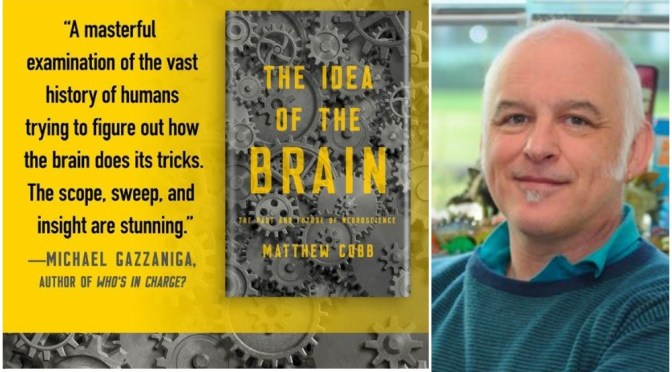
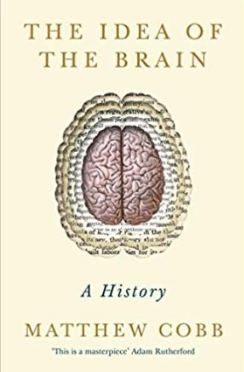 Although it might seem to be a story of ever-increasing knowledge of biology, Cobb shows how our ideas about the brain have been shaped by each era’s most significant technologies. Today we might think the brain is like a supercomputer. In the past, it has been compared to a telegraph, a telephone exchange, or some kind of hydraulic system. What will we think the brain is like tomorrow, when new technology arises?
 This week, crafting an artificial eye with the benefits of a human’s, and understanding how disk-galaxies formed by peering back in time.

