
From a The Spaces online review:
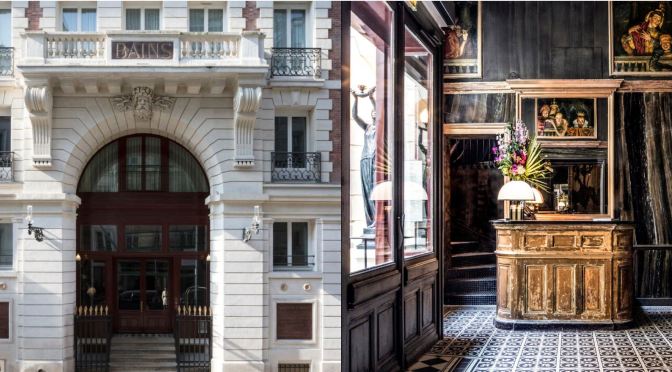
French literary greats Marcel Proust and Émile Zola visited Les Bains after its opening as a bathhouse in the late 19th century. Decades later in 1978, designer Philippe Stark transformed the place into a nightclub, welcoming a different calibre of guests through its doors. David Bowie, Mick Jagger and Karl Lagerfeld were among the people to make a splash at this Paris institution.
The new Les Bains hotel, revamped by architect Vincent Bastie, features a restored grand entrance that stays true to its Haussmannian roots. Designers Tristan Auer and Denis Montel were drafted in to design the interiors, while outdoor areas have also received an update, including the courtyard, opened up to draw in more light.
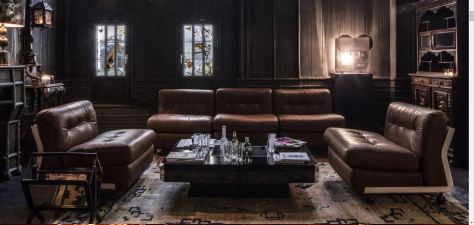
Les Bains, the iconic Paris nightclub, has reopened as a 39-room hotel five years after partygoers last enjoyed a drink and a dance. It’s the latest chapter in the life of the 1885 Haussmannian building, which has played host to a who’s who of the creative world.
Les Bains will retain its famous party spirit when the bar, club and restaurant open later this month. And the likes of Jagger and Bowie might still feel the need to let their hair down when they step onto the dance floor, which mimics Stark’s chequered design from 1978.

 Travelers are dreamers who act on their inspirations. The new National Geographic book


 Of course, Cool & Vintage is one of hundreds of companies building Land Rover ‘restomods’, but it’s forged its premier reputation for two reasons: the unparalleled quality of its work and its aesthetic positioning. “I’ve always thought that the Land Rover is among the greatest pieces of industrial design, so it was never my intention to mess around with it too much. We try to stay true to its shape and its history while adding our own creative twist, which could be anything from a bright colour to a more aggressive stance.” Ricardo initially wanted to fuse his vision of the quintessential beach car with a southern European summer vibe.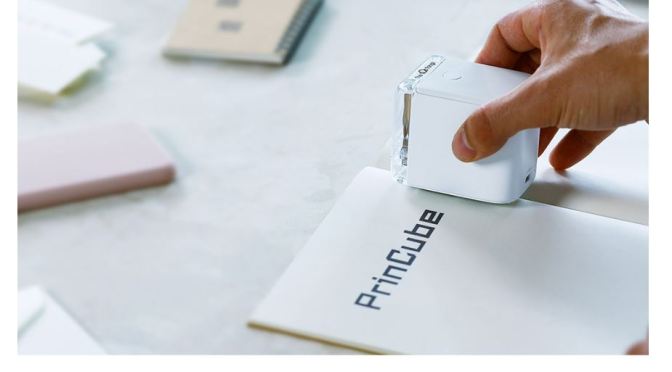
 The PrinCube sits on the throne of being the smallest (and the lightest) handheld color-printer. With a swift motion of your hand, the printer rapidly prints out one line at a time, measuring up to 0.56 inches in thickness. PrinCube’s multi-line feature lets you extend your prints by printing up to nearly 10 feet of content line after line. The wireless printer conveniently pairs with any device like your phone, tablet, or even laptop over a Wi-Fi connection, and each individual ink cartridge can handle approximately 415 A4 pages worth of printing before replacing. The battery on PrinCube’s pretty remarkable too, with the ability to print for 6 continuous hours before needing a recharge via the Type-C port in the PrinCube’s size.
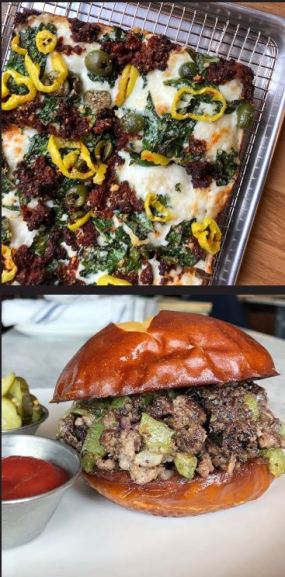 Most pizza places, Detroit-style places, the dough is sitting in a portioned-out container and it gets pressed into the pan. We let it rise in the pan. I knew from the beginning, that’s what’s going to separate our pizza. … It’s built in that we need larger walk-ins to have those extra pans. It’s just part of the plan.
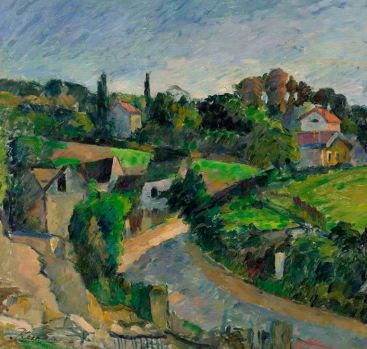 While all of the works on exhibit hold special interest, Aurisch identifies several gems. For example, Van Gogh fans will enjoy his spectacular perspectival rooftop view from the window of his room in The Hague in 1882. Maurice de Vlaminc’s 1906 Dancer at the “Rat Mort” (La danseuse du “Rat Mort”) is a delight with his Fauve treatment of the figure; through color and gestural line, it’s as though we are witnessing a shift into the 20th century. And Henri Matisse’s 1943 still life titled Lemons against a Fleur-de-lis Background (Citrons sur fond rose fleurdelisé) vibrates with lively pink patterned wallpaper and a stacked brick platform, charged with Japonisme energy.
 Today’s edition features Harvard professor Steven Pinker. As an experimental psychologist, Steven has written extensively about violence – and for his choice from the gallery’s collection he has selected two of Pablo Picasso’s most gruesome depictions of man’s inhumanity, Charnel House and Guernica, now housed in Madrid.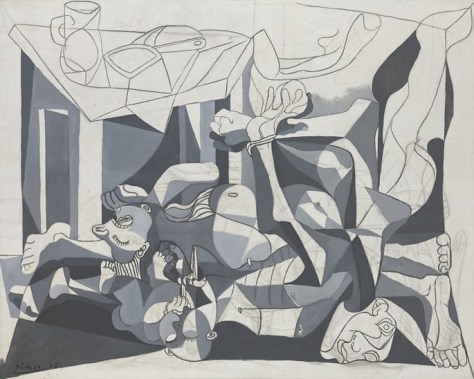



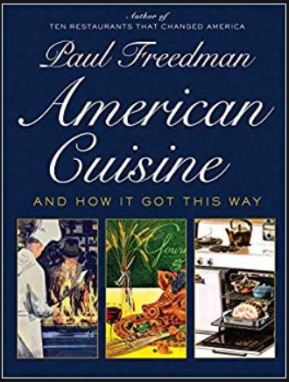 One way to understand American cuisine is through its regions — and the regional traditions that underlie the history of American cuisine. New England, the South, and New Orleans Creole are the regional cuisines of America. Examples of New England cuisine are “Yankee Pot Roast,” the lobster roll, and clam chowder. Southern favorites include grits, collard greens, okra, fried tomatoes, and sweet potato pie. Louisiana’s signature creole dishes are jambalaya, gumbo, and étouffée.
 Intellicurious