The saying goes that there are no new ideas out there. Every new invention is just a mashup of other things. But when it comes to E-bikes, who’s complaining? Extra juice to go with your pedal power? We’ll take it. And some serious breakthrough designs are coming in the industry, too. Let’s take a look at the contenders for the title of most innovative e-bike of 2021.
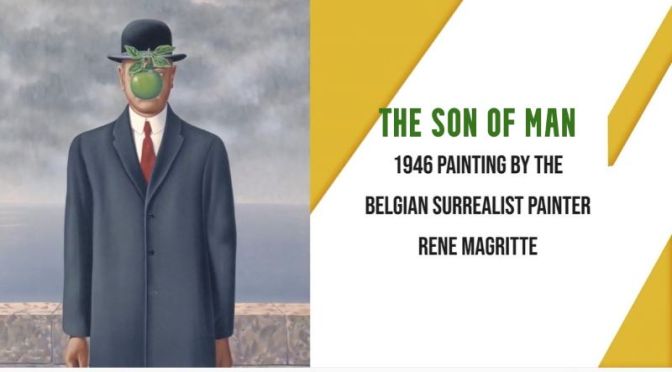
The “Son of Man” is an iconic painting by Belgian Surrealist artist Rene Magritte.
Rene Magritte was an internationally acclaimed surrealist artist of all time, yet it was not until his 50s, when he was finally able to reach some form of fame and recognition for his work. Rene Magritte described his paintings saying, “My painting is visible images which conceal nothing; they evoke mystery and, indeed, when one sees one of my pictures, one asks oneself this simple question, ‘What does that mean?’ It does not mean anything, because mystery means nothing, it is unknowable.”
Magritte was born in 1898, to a wealthy manufacturer father. In 1912, his mom was found drowned in the River Sambre. She had committed suicide, and the family was publicly humiliated because of it. From 1916 to 1918, Rene decided to study at the Academie des Beaux-Art, which was located in Brussels. He left the school, because he thought that it was a waste of time. All his paintings afterward reflect cubism, the movements which were introduced by Pablo Picass and was very popular at the time. In 1922 he married Georgette, and took a number of small jobs, including painting cabbage roses for a wallpaper company, in order to be able to pay the bills.
During the early period of his career, shortly following his marriage, Rene Magritte would spend the free time that he had, creating art forms and worked on a number of pieces; it was during this time period that he realized surrealism was the art form which he most enjoyed. The Menaced Assassin was one of his earliest pieces in 1926, which showcased the surrealist style which he had been working on; The Lost Jockey was another piece that he introduced in 1925, which also showcased this art form. Over the course of his career, he produced a number of variants on this piece, and changed the format to recreate what the viewer was experiencing.
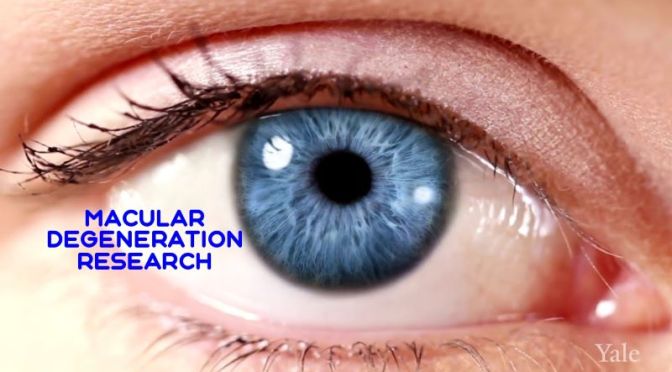
Macular degeneration is a leading cause of visual impairment in people over 65 and can lead to blindness. One in three people will eventually suffer some degree of macular degeneration, which is caused by abnormal blood vessels under the retina, the light-sensitive part of the eye. We treat both the more common “dry” as well as the more dangerous “wet” forms of macular degeneration. While there is currently no cure for this disease, we offer the latest treatments to reduce the risk of vision loss and blindness. These include anti-VEGF drugs—which attack proteins that create the abnormal blood vessels that cause macular degeneration—and photodynamic therapy, in which patients ingest medication that is then activated with a laser.
Online News Editor David Grimm joins host Sarah Crespi to discuss a controversial new paper that estimates how many rodents are used in research in the United States each year.
Though there is no official number, the paper suggests there might be more than 100 million rats and mice housed in research facilities in the country—doubling or even tripling some earlier estimates.
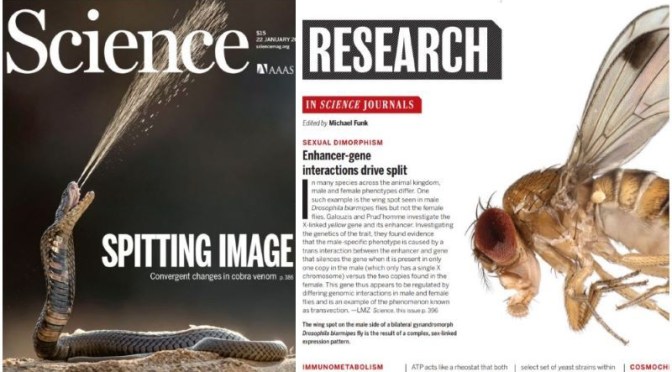
Next, Staff Writer Jennifer Couzin-Frankel talks with Sarah about a new theory behind the cause of irritable bowel syndrome—that it might be a localized allergic reaction in the gut. Sarah also chats with Taline Kazandjian, a postdoctoral research associate at the Centre for Snakebite Research & Interventions in Liverpool, U.K., about how the venom from spitting cobras has evolved to cause maximum pain and why these snakes might have developed the same defense mechanism three different times.
How has Einstein’s work on photons ushered in a golden age of light? Oliver Morton, The Economist’s briefings editor, explores why laser’s applications have been spectacular and how solar power became the cheapest source of electricity in many countries.
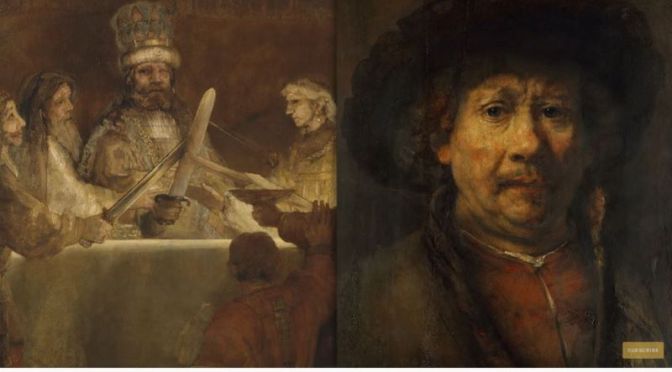
Arguably the greatest master of the Dutch Golden Age, Rembrandt is famed for several types of works: his monumental history paintings, his self-portraits and, as beautifully exemplified by the transcendent Abraham and the Angels, his intimate biblical scenes.
Rembrandt Harmenszoon van Rijn was a Dutch draughtsman, painter, and printmaker. An innovative and prolific master in three media, he is generally considered one of the greatest visual artists in the history of art and the most important in Dutch art history.
The Dutch Golden Age was a period in the history of the Netherlands, roughly spanning the era from 1581 to 1672, in which Dutch trade, science, and art and the Dutch military were among the most acclaimed in the world. The first section is characterized by the Eighty Years’ War, which ended in 1648.
Mayo Clinic Division of Preventive Cardiology will be preparing a series of recordings focusing on Cardiovascular Disease states. This is the Exercise Series and this particular one focuses on exercise and the heart.