
People everywhere can now download, remix and share Smithsonian Open Access content for any purpose, for free, from portraits of historic Americans to 3D scans of dinosaur fossils. What will you create, imagine and discover?

People everywhere can now download, remix and share Smithsonian Open Access content for any purpose, for free, from portraits of historic Americans to 3D scans of dinosaur fossils. What will you create, imagine and discover?
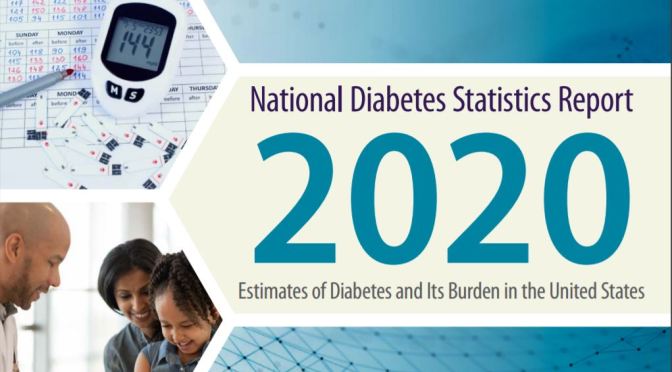
 The National Diabetes Statistics Report is a periodic publication of the Centers for Disease Control and Prevention (CDC) that provides updated statistics about diabetes in the United States for a scientific audience. It includes information on prevalence and incidence of diabetes, prediabetes, risk factors for complications, acute and long-term complications, deaths, and costs. These data can help focus efforts to prevent and control diabetes across the United States.
NPR’s Tamara Keith and Amy Walter of the Cook Political Report join Lisa Desjardins to discuss the latest political news, including fears Vermont Sen. Bernie Sanders’ ideology is too far left for him to be the 2020 Democratic nominee, why the race is currently a “referendum on Donald Trump,” Nevada caucus results along racial lines and which moderate candidates could struggle to gain traction.

From a BMJ Open Journal study release (February 20, 2020):
 Aspirin is an inhibitor of prostaglandin production and may influence the cellular basis of bone remodelling responsible for maintaining the material and structural strength of bone.
The consistent findings of reduced risk of fracture across studies included in this review is encouraging. It is important to keep in mind that studies were quite diverse in design, populations included, data collection methods and follow-up periods and we did observe high heterogeneity especially for fracture risk. While we need to interpret this finding with some caution, there appeared to be a consistent indication that aspirin use is associated with positive bone outcomes.
The anti-inflammatory effects of aspirin via prostaglandin inhibition have recently gained attention. Chronic low-grade inflammation contributes to age-related cardiovascular, neurological, respiratory and musculoskeletal conditions. Low-grade inflammation is associated with increased bone loss and fracture risk. Prostaglandin, an important inflammatory mediator, is likely to have a key role in bone remodelling attributable to inflammation. Prostaglandin E2 stimulates bone resorption and formation and is produced largely from cyclooxygenase-2 induction. Prostaglandins acutely inhibit osteoclast function. However, their chronic effect is to stimulate bone resorption by increasing replication of osteoclast precursors, and differentiation to mature osteoclasts.
On the Mayo Clinic Radio program, Dr. Derek Lomas, a Mayo Clinic urologist, discusses prostate cancer, including a new biopsy method.
This interview originally aired Feb. 22, 2020. Prostate cancer is the second most common cancer — second to skin cancer — among men in the U.S. One in 9 men will be diagnosed with prostate cancer in his lifetime, according to the American Cancer Society. Screening is important because early detection greatly improves the chances of survival. While some types of prostate cancer grow slowly, and may need minimal or even no treatment, other types are aggressive and can spread quickly. If prostate cancer is suspected, a biopsy can confirm the diagnosis.
Learn more about prostate cancer: https://www.mayoclinic.org/diseases-c…
On the Mayo Clinic Radio program, Dr. Beth Robertson, a Mayo Clinic neurologist, discusses headaches and treatment for migraines.
This interview originally aired Feb. 22, 2020. Learn more about headaches: https://www.mayoclinic.org/diseases-c…
On the Mayo Clinic Radio program, Dr. Todd Miller, a Mayo Clinic cardiologist, explains how exercise affects the heart. This interview originally aired Feb. 22, 2020. Learn more about exercise and the heart: https://www.mayoclinic.org/healthy-li…
Syndicated columnist Mark Shields and New York Times columnist David Brooks join Judy Woodruff to discuss the latest political news, including how the Las Vegas debate changed the 2020 Democratic race, new reports of Russian election interference and President Trump’s response to them, the sentencing of Trump ally Roger Stone and the outcry over Trump’s flurry of pardons and commutations.
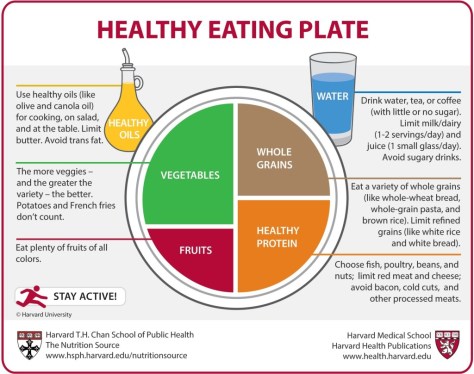
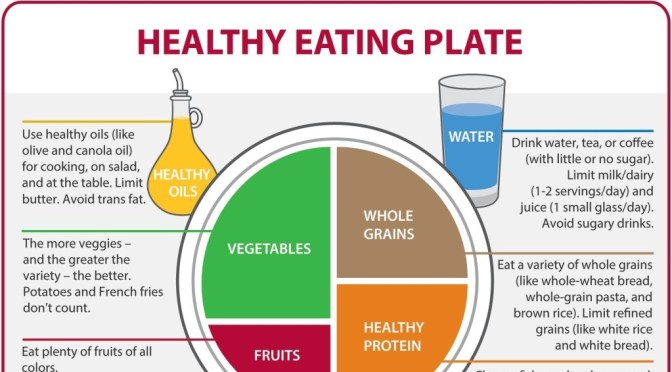
Aim for color and variety, and remember that potatoes don’t count as vegetables on the Healthy Eating Plate because of their negative impact on blood sugar.
Whole and intact grains—whole wheat, barley, wheat berries, quinoa, oats, brown rice, and foods made with them, such as whole wheat pasta—have a milder effect on blood sugar and insulin than white bread, white rice, and other refined grains.
Fish, poultry, beans, and nuts are all healthy, versatile protein sources—they can be mixed into salads, and pair well with vegetables on a plate. Limit red meat, and avoid processed meats such as bacon and sausage.
Choose healthy vegetable oils like olive, canola, soy, corn, sunflower, peanut, and others, and avoid partially hydrogenated oils, which contain unhealthy trans fats. Remember that low-fat does not mean “healthy.”
Skip sugary drinks, limit milk and dairy products to one to two servings per day, and limit juice to a small glass per day.
The red figure running across the Healthy Eating Plate’s placemat is a reminder that staying active is also important in weight control.
The main message of the Healthy Eating Plate is to focus on diet quality.





 Intellicurious