Syndicated columnist Mark Shields and New York Times columnist David Brooks join Judy Woodruff to discuss the week’s news, including President Trump’s controversial medical commentary, the respective roles of federal and state governments in the crisis, American public opinion on pandemic restrictions, congressional pandemic relief and how they’re handling social distancing.
Ventilators have become prized in hospitals across the U.S. and beyond because they are desperately needed to treat very ill Covid-19 patients. But they are also feared for the damage they can inflict, and for the slim odds of survival they offer.
Michelle Fay Cortez and Olivia Carville report that it’s not yet clear what the long-term consequences ventilators have for those lucky enough to recover after having been on one.
Benjamin Thompson, Noah Baker, and Amy Maxmen discuss the role of antibody tests in controlling the pandemic, and how public-health spending could curtail an economic crisis. Also on the show, the open hardware community’s efforts to produce medical equipment.
In this episode:
02:08 Betting on antibodies
Antibody tests could play a key role in understanding how the virus has spread through populations, and in ending lockdowns. We discuss concerns over their reliability, how they could be used, and the tantalising possibility of immunity.
Jim Yong Kim, former president of the World Bank, argues that strong investment in public health is crucial to halt the ongoing pandemic and to prevent a global financial crisis. We discuss his work with US governors to massively increase contact tracing, and his thoughts on how researchers can help steer political thinking.
Our hosts talk about staying positive, and pick a few things that have made them smile in the last 7 days, including a tiny addition to the team, a newspaper produced by children in lockdown, and a gardening update.
Researchers are stepping up efforts to design and produce ventilators and personal protective equipment for frontline medical staff. We hear how the open hardware movement is aiding these efforts, and the regulations that teams need to consider if their designs are to make it into use.
On April 24, 2020, the Hubble Space Telescope celebrates its 30th year in orbit by premiering a never-before-seen view of two beautiful nebulas named NGC 2020 and NGC 2014.
Hubble’s senior project scientist, Dr. Jennifer Wiseman, takes us on a tour of this stunning new image, describes the telescope’s current health, and summarizes some of Hubble’s contributions to astronomy during its 30-year career.
Featuring articles on deaths due to e-cigarette– or vaping-associated lung injury, apixaban for venous thromboembolism in cancer, the management of coronary disease in patients with advanced kidney disease, health-status outcomes in the ISCHEMIA-CKD trial, and ten weeks to crush the curve.
Additionally, renin–angiotensin–aldosterone system inhibitors in patients with Covid-19, and teasing the immune system to repair the heart; a review article on the care of patients with diabetic retinopathy; a case report of a man with high blood pressure, renal insufficiency, and hematuria; and Perspective articles on clinical and social risk adjustment, on prediction models, and on medical care during the pandemic.
Doctors are delaying procedures and surgeries in order to save resources like hospital beds and ventilators for Covid-19 patients, and prevent the infection from spreading.
Emma Court reports on the difficult choices doctors are forced to make, and the danger that we’re creating another health care crisis.
23 April 2020: Denisovan DNA in modern Europeans, and the birth of an unusual celestial object. This week, evidence of ancient hominin DNA in modern human genomes, and the origin of a snowman-shaped object at the edge of the solar system.
In this episode:
00:45 Intermixing of ancient hominins
By combing through the DNA of over 27,000 modern day Icelanders, researchers have uncovered new insights about the ancient hominin species who interbred with Homo sapiens. Research Article: Skov et al.
In 2019, the New Horizon Spacecraft took images of Arrokoth – an unusual, bi-lobal object found in the Kuiper belt. Now, researchers believe they’ve figured out how it formed. Research Article: Grishin et al.
17:29 Pick of the Briefing
We pick some highlights from the Nature Briefing. This week we discuss why the Universe may be lopsided, and why water could actually be two different liquid states. Scientific American: Do We Live in a Lopsided Universe?; Chemistry World: The weirdness of water
NPR’s Tamara Keith and Amy Walter of the Cook Political Report join Amna Nawaz to discuss the latest political news, including protests against government COVID-19 restrictions, polling on how Americans more broadly feel about reopening the economy amid a public health threat and China’s role in the 2020 campaign strategies of President Trump and former Vice President Joe Biden.
News, Views and Reviews For The Intellectually Curious



 Ventilators have become prized in hospitals across the U.S. and beyond because they are desperately needed to treat very ill Covid-19 patients. But they are also feared for the damage they can inflict, and for the slim odds of survival they offer.
 Benjamin Thompson, Noah Baker, and Amy Maxmen discuss the role of antibody tests in controlling the pandemic, and how public-health spending could curtail an economic crisis. Also on the show, the open hardware community’s efforts to produce medical equipment.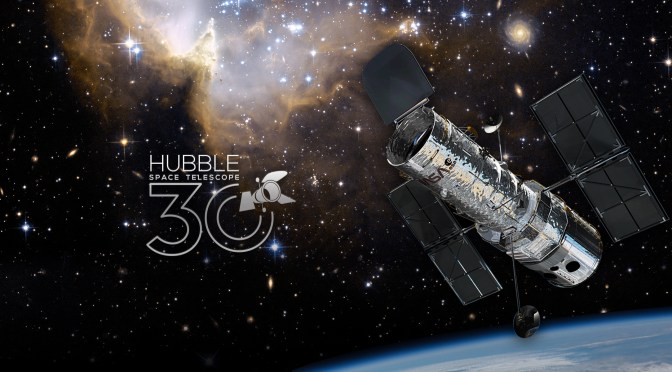
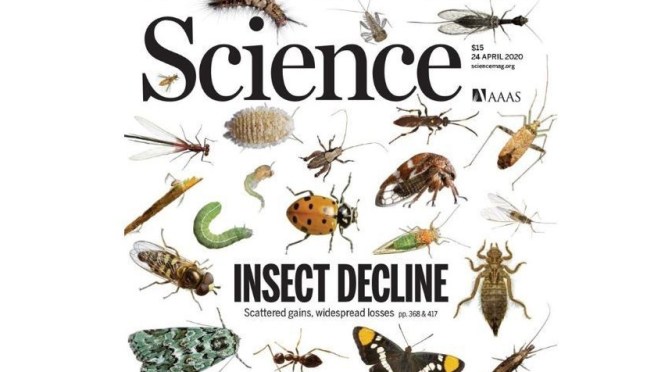
 Featuring articles on deaths due to e-cigarette– or vaping-associated lung injury, apixaban for venous thromboembolism in cancer, the management of coronary disease in patients with advanced kidney disease, health-status outcomes in the ISCHEMIA-CKD trial, and ten weeks to crush the curve.
 23 April 2020: Denisovan DNA in modern Europeans, and the birth of an unusual celestial object.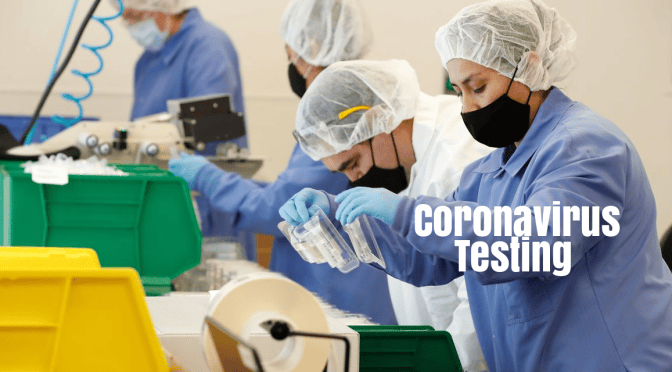
 To reopen the economy safely, experts estimate the U.S. will need to administer millions of tests every month.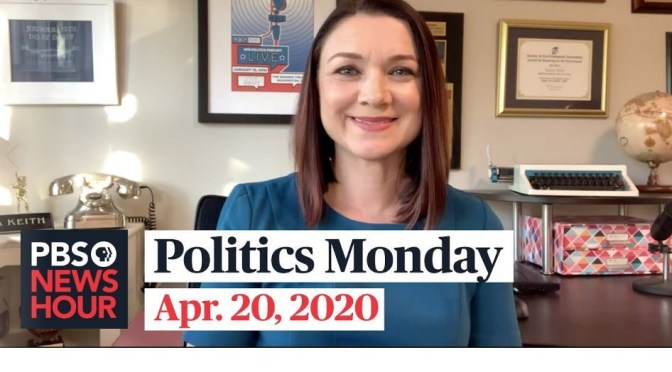
 Intellicurious