
Neuroscience Professor Seth Tomchik, PhD, focuses on two major research areas, the neuroscience of learning and memory, and diseases that affect learning and memory, including neurofibromatosis type one. Neuroscience is now the largest department on the Florida campus of Scripps Research.
The department’s faculty and staff, together with graduate students enrolled in the institute’s Skaggs Graduate School, push the boundaries of scientific knowledge to benefit humanity. Watch all 11 videos in this series to see their work in more detail. Scripps Research is an independent, nonprofit biomedical research institute ranked the most influential in the world for its impact on innovation. With campuses in La Jolla, California, and Jupiter, Florida, the institute advances human health through profound discoveries that address pressing medical concerns around the globe. Scripps Research also trains the next generation of leading scientists at the Skaggs Graduate School, consistently named among the top 10 U.S. programs for chemistry and biological sciences. Learn more at http://www.scripps.edu.
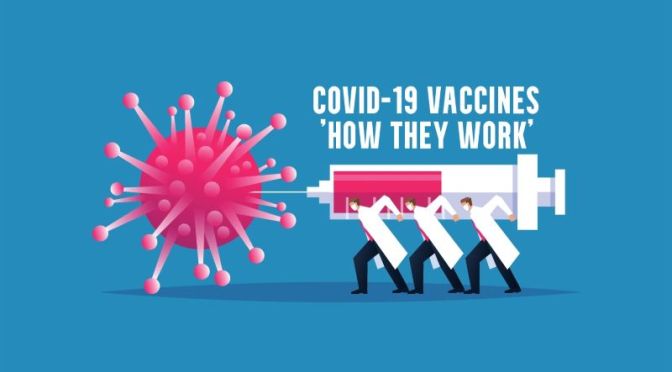
Vaccines are one of the most effective tools we have in preventing and reducing the burden of infectious diseases. In the midst of the COVID-19 pandemic, vaccines are once again poised to change the tide in our favor in the fight against a deadly virus. But how exactly do vaccines work? And are they safe? “You can think of your body’s immune system like an orchestra,” says Yale immunobiologist Akiko Iwasaki, PhD. “The different functions of the immune response are like different instruments. And vaccines work like sheet music for the orchestra, telling the immune system what to do and how to do it.” Different viruses require different types of immune responses in order to confer protection, and some of them can be complex. But with SARS-CoV-2, the virus that causes COVID-19, a simple type of response is all that’s needed to prevent infection. “You just need to trigger an antibody response where the antibodies bind to the surface of the virus and prevent it from entering our cells,” says Ruslan Medzhitov, PhD, professor of immunobiology. “And these types of vaccines tend to be extremely safe.” In addition to the inherent safety of this kind of “training” for the immune system, experts emphasize that the expedited timeline of COVID-19 vaccine development is not a reflection of lax safety standards. “Before a vaccine is approved, it goes through a rigorous amount of testing for safety and efficacy,” says Iwasaki. “So, once a vaccine is made to be publicly available, we should be lining up.” Watch this video to learn more about the fundamentals of how vaccines work, how they are developed, and the importance of vaccination for public health.
This video tells the story of Ana, a cervical cancer survivor, who encourages women to recognize abnormal Paps as an opportunity to speak to your doctor about gynecologic health.
From the race to roll-out coronavirus vaccinations around the world, to other concerns such as mental health and measles, BBC Health Reporter Smitha Mundasad looks at the health challenges facing the world in the next year.
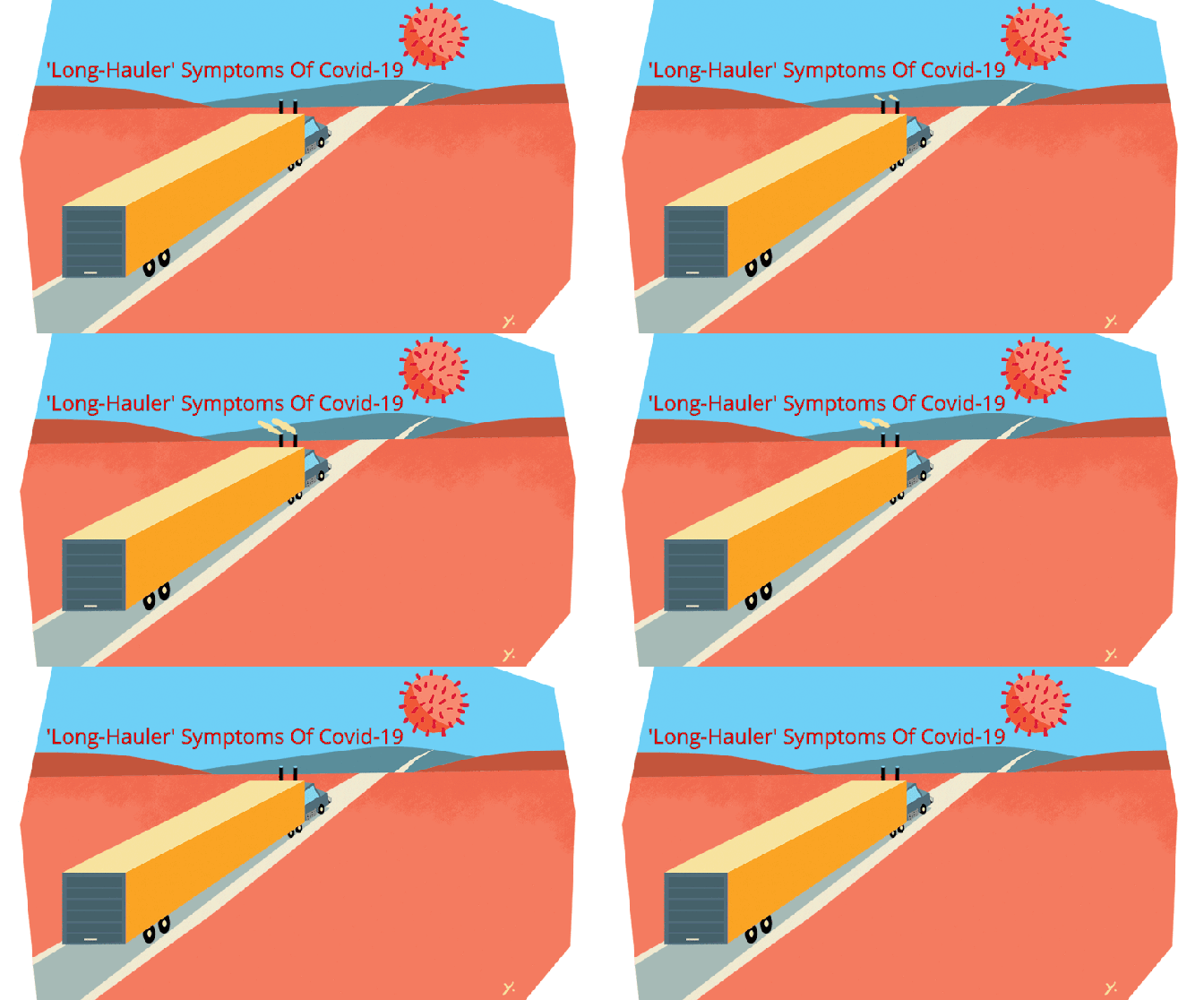
Now the stories of “long-haulers” have become a central component of how scientists, doctors and policymakers view long-term effects of the coronavirus.

As a current article in the journal Social Science & Medicine explains, researchers are scrambling to keep up with what patients report in online support groups such as Ms. Watson’s. Co-author Elisa Perego, a research associate at University College London, is a long-hauler herself, and dubbed the post-viral condition “long Covid” on Twitter in May. Both “long-haulers” and “long Covid” are fast becoming standard terminology in the medical field.
Kate Porter, a digital marketer from Beverly, Mass., and an administrator for Ms. Watson’s group, has watched as the “long-hauler” term has exploded in popularity. Ms. Porter, who tracks the latest research and policy initiatives on the Covid-19 Recovery Awareness website, told me, “Even if it’s not necessarily the most scientific term, you get the gist right away—you don’t even need to really explain it.”
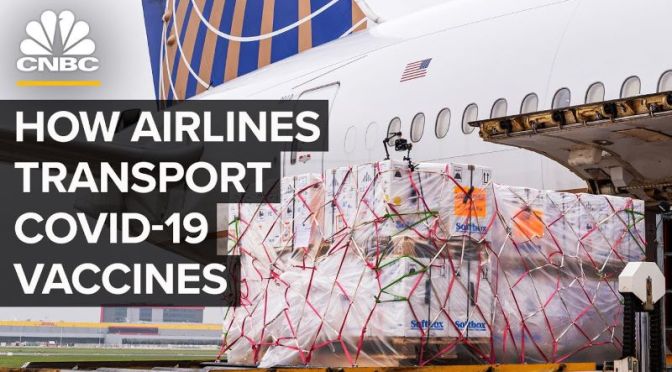
Major U.S. airlines like American Airlines, United and Delta have stepped up to become a crucial part of the vaccine delivery supply chain alongside logistic giants like UPS, FedEx and DHL. Even though it’s only one part of the journey, it’s a critical one. DHL and McKinsey estimate vaccinating the world will require up to 15,000 flights.
Virologist Angela Rasmussen talks about her battle against misinformation in the media, the virus, vaccines, disinfecting surfaces, home testing, and the next pandemic.
Eric J. Topol, MD: Hello, I’m Eric Topol for Medscape, and this is Medicine and the Machine. I’m so glad to have my colleague and partner in this podcast, Abraham Verghese, with me from Stanford. Today, we have the rarefied privilege to discuss the whole pandemic story, the virus and vaccines, with one of the country’s leading virologists, Dr Angela Rasmussen. Welcome, Angie.
Angela L. Rasmussen, MA, MPhil, PhD: Thank you so much for having me, Eric. It’s wonderful to be here.


 Intellicurious