Category Archives: Medicine

Covid-19 In 2021: End Is In Sight, Challenges Remain

We enter 2021 surrounded by these rays of hope that the end of the pandemic might be in sight. But monumental challenges remain. Vaccine manufacture, distribution, and uptake are substantial pieces of a complex puzzle that must be completed to reach the 75–90 percent vaccination rate that global health experts say is key to stopping the spread. 

And the virus itself is almost sure to change as it infects more people, possibly becoming more transmissible or dangerous. For instance, as I write this in late December 2020, public health officials in the UK are reporting the rapid spread of a new strain of SARS-CoV-2 that seems to be highly infectious.

This is a perfect example of the continued surprises this pandemic may yet throw at us. But virologists, epidemiologists, drug developers, and other scientists will continue to band together to study this virus and share information that can help humanity address this and future issues appropriately. In addition to careful monitoring of the virus as it mutates and spreads, I fully expect there to be regular monitoring of vaccinated individuals, further refinement of vaccine, and continued development of new COVID-19 therapies. And I can promise that The Scientist will continue to track these developments closely and provide up to date and accurate information about the COVID-19 pandemic and other scientific issues in 2021 and beyond.

Read more

Analysis: ‘Is Walmart The Future Of Health Care?’

Walmart, America’s largest grocer, launched a primary care clinic called Walmart Health, in September 2019. Analysts say the big box retailer faces several hurdles in its quest to scale up nationally with a roster of highly paid doctors and dentists. But with more than 35 million people uninsured as of 2019, and millions more with high deductible health plans, could Walmart Health’s low price point be the future of healthcare in America?

Aging & Healthcare: ‘Cataract Surgery’ (Video)

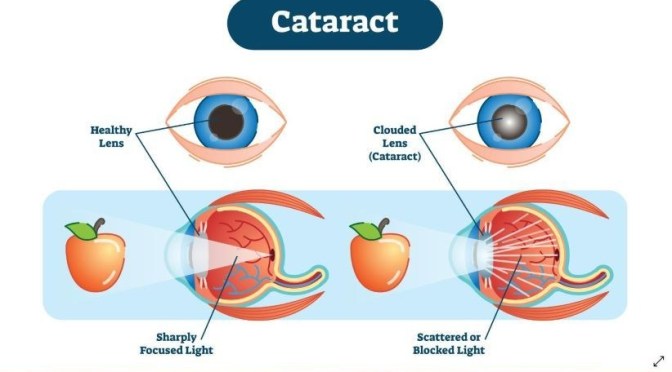
Cataract surgery is one of the safest and most effective types of surgery. In about 90 percent of cases, people who have cataract surgery have better vision afterward. Learn more about aging and your eyes at: https://www.nei.nih.gov/learn-about-e….

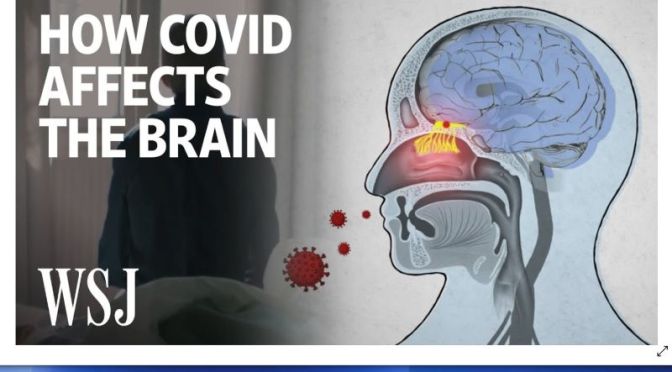
Health: ‘How Covid-19 Affects The Brain’ (Video)

New research could help explain why thousands of Covid-19 survivors are facing debilitating neurological symptoms months after initially getting sick. WSJ breaks down the science behind how the coronavirus affects the brain, and what this could mean for long-haul patients. Illustration: Nick Collingwood/WSJ

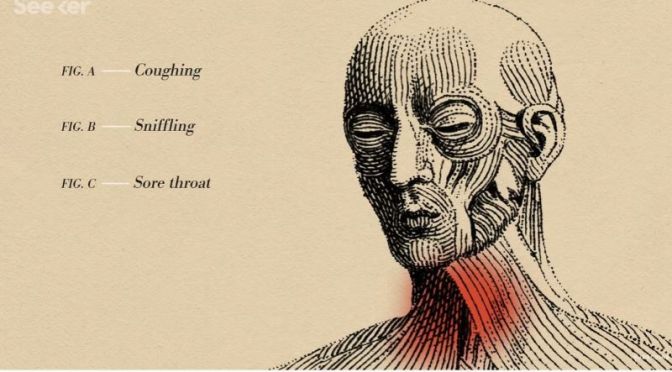
Health: ‘Why There Is No Cure For Common Colds’

The common cold is the most common human disease in the world. So, why haven’t we found a cure yet?!

Called human rhinoviruses, these respiratory viruses measure between 15 to 30 nanometers in diameter, making them some of the smallest types of viruses out there. And it’s partly thanks to the viruses’ genetic makeup that they’re so good at replicating.

Human rhinoviruses travel like most other respiratory viruses via nasal secretions, which can be released through sneezing, or through contact with fomites, which are surfaces like a keyboard or a doorknob that can help spread the virus from one person to another. From there, all it takes is for a hand to touch one of the body’s mucous membranes like the eyes, nose, or mouth and bam — the virus has gained entry.

Soon after infection, coughing, sneezing, headaches, a mild fever and body aches can soon follow. And these symptoms may easily be confused with those of the flu. But unlike the flu, where symptoms start quite suddenly, it can take a couple of days for cold symptoms to fully develop. And they usually last anywhere from 7 to 14 days.

Covid-19 Podcast: Latest On Vaccine Rollout, New Mutation & FDA Approvals

Stephen Hahn, U.S. Food and Drug Administration Commissioner, Sigal Atzmon, founder and chief executive officer of Medix Global, and Roche CEO Severin Schwan, on the pandemic, Covid-19 vaccines and the new mutation.

Medical Technology: The ‘3D-Printed Heart’ (Video)

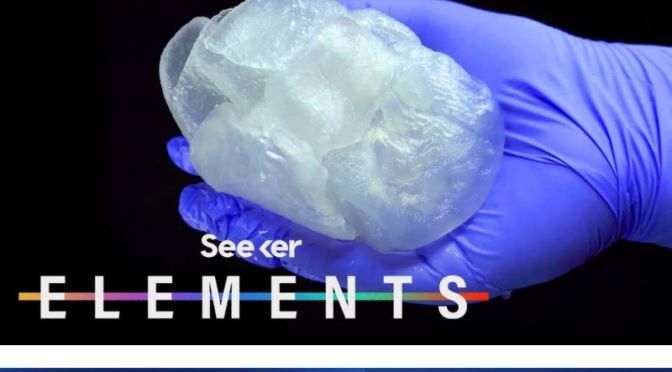
Imagine having the option to get a 3D-printed organ. Well, a team of biomedical engineers from Carnegie Mellon University has just developed the first flexible, full-size, 3D-print of a human heart, bringing us one step closer to that reality.

Additive manufacturing printers are popular, but are typically known to build hard objects using materials like plastic or metal. But rigid plastic organs aren’t very practical. These printers could be used with softer materials, like biological hydrogels — you know, to make a heart — but those tend to collapse mid-print. But this new method can change the game.

The 3D-printing technique is called Freeform Reversible Embedding of Suspended Hydrogels or FRESH. It can print biological structures with soft squishy materials like alginate, a biomaterial made from seaweed, which feels like human tissue. AND it cleverly solves that collapsing problem during print by suspending flexible materials inside a container of gelatin.

For this team of researchers it all starts with a MRI scan from a real heart. The scan gets “chopped-up” digitally into horizontal slices by a program which then translates them into code that a printer will understand. A needle-like nozzle moves through the gelatin support bath, extruding thin layers of alginate. The layers stack on top of each other to build the shape. When the print is complete, it’s put in an incubator overnight, where the temperature is raised to 37°C to gently melt away the gelatin support structure, leaving only the 3D-printed heart.

Read more

Health: ‘How The Covid-19 Vaccine Works’ (Video)

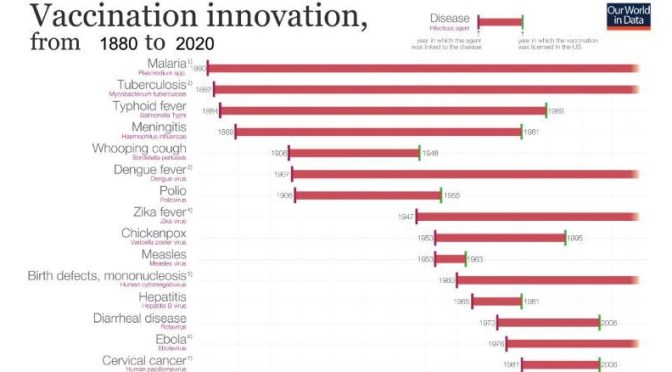
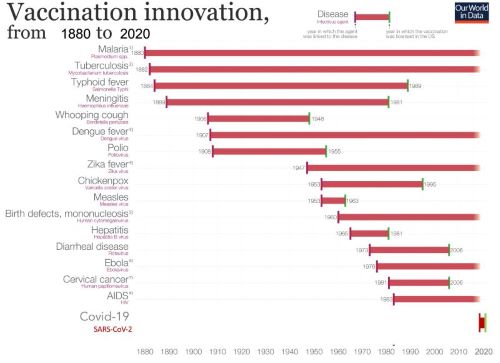
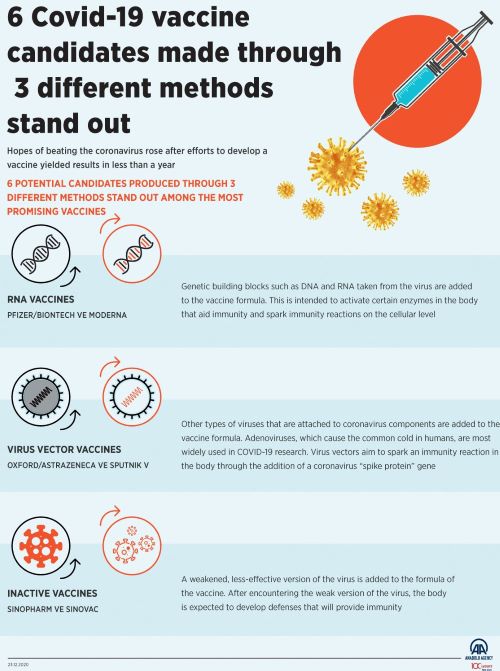
The U.S. began vaccinating the population against the coronavirus earlier this month, but mass adoption is not a guarantee. Roughly four in ten Americans say they would “definitely” or “probably” not get a vaccine, according to a recent survey by the Pew Research Center. Watch this video to find out how major stakeholders plan to convince the entire country to trust a vaccine made in record time, using mRNA technology that’s never before been licensed.