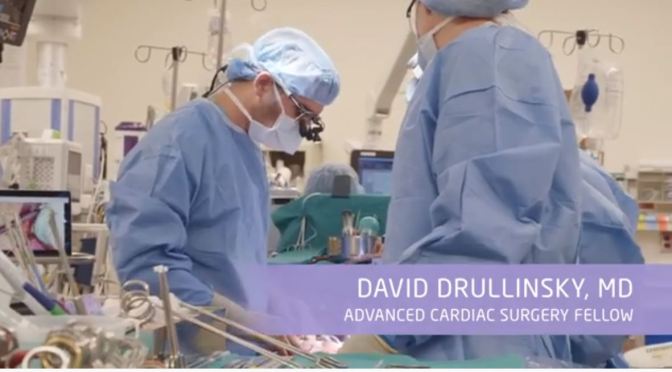
Tough to beat! Head #InsideTheOR with S. Christopher Malaisrie, MD, and witness open heart surgery by one of the best cardiology and heart surgery programs in the nation as ranked by US News and World Report.

Tough to beat! Head #InsideTheOR with S. Christopher Malaisrie, MD, and witness open heart surgery by one of the best cardiology and heart surgery programs in the nation as ranked by US News and World Report.
Most of us received routine vaccinations when we were young. But how exactly do vaccines work? In this video, I explain the fascinating science behind how vaccines prevent millions of deaths each year.
 “Studies with financial links to the indoor tanning industry were much more likely to discuss perceived benefits of indoor tanning and to downplay the harms,” said Eleni Linos, MD, DrPH, professor of dermatology, who sees patients at Stanford Health Care’s dermatology clinic at the Hoover Pavilion. “The association is quite striking. We need scientific data to be independent of industry influence. I am concerned that funding sources may influence the conclusions of these papers.”
 In 2012, Eleni Linos, professor of dermatology at Stanford university, published a systematic review and meta-analysis of the link between non-melanoma cancer and sun-beds. That bit of pretty standard research, and a particular rapid response to it, has kicked of years of work – and in this podcast I talk to Eleni and her colleagues Stanton…
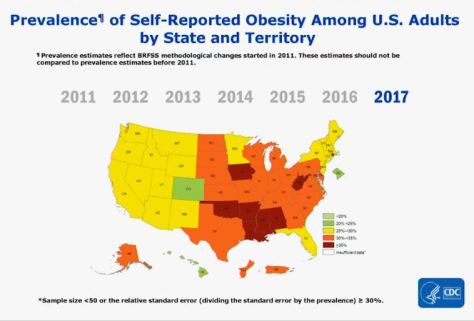
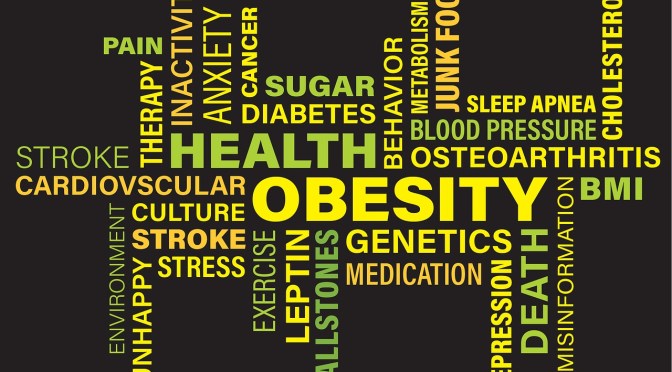
On the Mayo Clinic Radio program, Dr. Donald Hensrud, director of the Mayo Clinic Healthy Living Program, discusses the obesity epidemic and talks about popular diet trends, including intermittent fasting.
This interview originally aired Feb. 8, 2020.
Learn more about intermittent fasting: https://www.mayoclinic.org/healthy-li…
Learn what CRISPR is, how it works, and how Penn Medicine is working to harness its power to help patients.
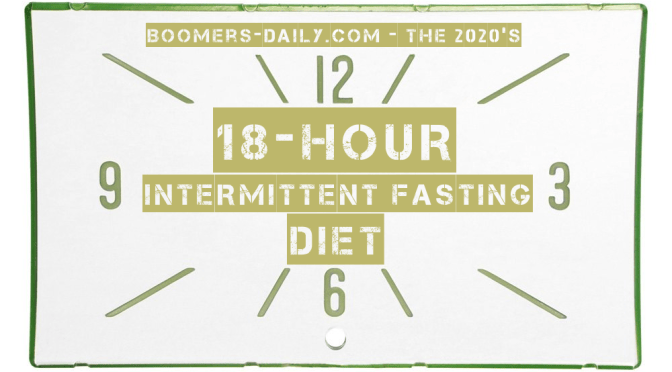
 Intermittent fasting has salutary effects. Listen how Dr. Mark P. Mattson, co-author of a recent NEJM review on the topic, assesses the practice — and how he’s managed to skip breakfast for the past 30 years or so.
Evidence is accumulating that eating in a 6-hour period and fasting for 18 hours can trigger a metabolic switch from glucose-based to ketone-based energy, with increased stress resistance, increased longevity, and a decreased incidence of diseases, including cancer and obesity.
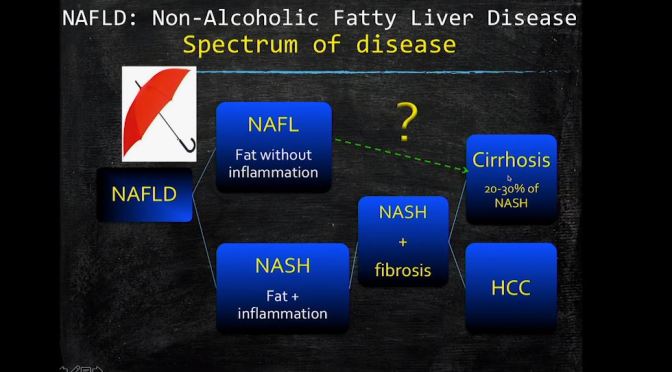
Nonalcoholic fatty liver disease (NAFLD) occurs when fat is deposited in the liver, without other causes of fatty liver identified. Dr. Danielle Brandman explores who is at risk, diagnosis, staging, complications and management.
More from: Organ Failure and Replacement: Why Organs Fail and What Therapies are Available for Organ Replacement (https://www.uctv.tv/organ-failure-rep…)
From a The BMJ Views and Reviews article by David Oliver (February 5, 2020):
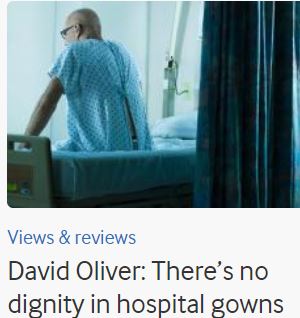 Last year the Lancet published a paper on the impact of wearing gowns, surveying 928 adult patients and carrying out structured interviews with 10 patients. Over half (58%) reported wearing the gown despite feeling uncertain that it was a medical necessity. Gown design was considered inadequate, with 61% reporting that they struggled to put it on or required assistance and 67% reporting that it didn’t fit. Most worryingly, 72% felt exposed, 60% felt self-conscious, and 57% felt uncomfortable wearing the gown.
I’ve often wondered why on earth we routinely put so many patients into hospital gowns within minutes of their arrival at hospital.
Sometimes referred to as “dignity gowns,” such dignity as they afford is only in comparison to being stark naked. They don’t come in a wide range of sizes or lengths, and they’re open along the back. You tend to get what you’re given and make do. The effect is to leave patients with lots of exposed flesh, with underwear or buttocks intermittently displayed and a feeling of extreme vulnerability, not to mention being cold if they have no other layers to wear.
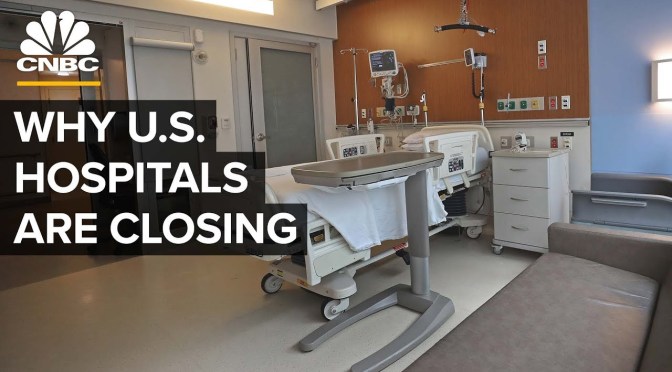
In rural towns across the U.S. hospitals are in crisis. Since 2010, 121 rural hospitals have closed. And, the National Rural Health Association says more than one-third of all rural hospitals in the U.S. are at serious risk of shutting down.
But not all hospitals are losing money. A series of mergers and acquisitions that began in the 1990’s has created massive hospital groups. Many of these hospital consortiums are turning huge profits every year by offering high priced services to well insured patients.



 Intellicurious