

From a British Medical Journal (BMJ) Open Heart online article:
 The intake of marine omega-3s has consistently been found to have antiarrhythmic effects. When marine omega-3s are consumed, there is an increase in cellular membrane fluidity, inhibition of L-type calcium channels and a reduction in the chance of arrhythmic events during susceptible times. Prospective data suggest that maintaining an omega-3 index of about 8%, which requires consuming seafood rich in omega-3 up to five times per week or consuming over 3 g of EPA and DHA per day, may provide the greatest protection against arrhythmic events.
Marine omega-3s for the prevention of arrhythmias
Omega-3s have been theorised to increase membrane fluidity by reducing compression of the acyl chains of membrane phospholipid fatty acids, which can lead to a reduction in the ‘spring-like’ tension on membrane ion channels. This spring-like tension can reduce the ability of ions to freely move in and out of the ion channel and hence reduce its conductance. This is known as the ‘Andersen membrane spring-like tension hypothesis’ and is just one way marine omega-3s may prevent arrhythmias.
Dietary omega-3s are mainly consumed as triglycerides, which are absorbed as free fatty acids and monoglycerides. These fats then get rapidly resynthesised in the intestine and liver back to triglycerides with subsequent integration into chylomicrons, very low-density lipoprotein and low-density lipoprotein (LDL) (LDL can actually deliver omega-3s to tissues via LDL receptors).

 Featuring articles on lung-cancer screening in the NELSON trial, ribociclib and fulvestrant in metastatic breast cancer, vitamin D in pregnancy and asthma, treatment thresholds for neonatal hypoglycemia, and CAR-NK cells in anti-CD19 lymphoid tumors; a review article on placebo and nocebo effects; a Clinical Problem-Solving describing a rapid change in pressure; and Perspective articles on altruism in Extremis, on abuses of FDA regulatory procedures, and on joining forces against delirium.
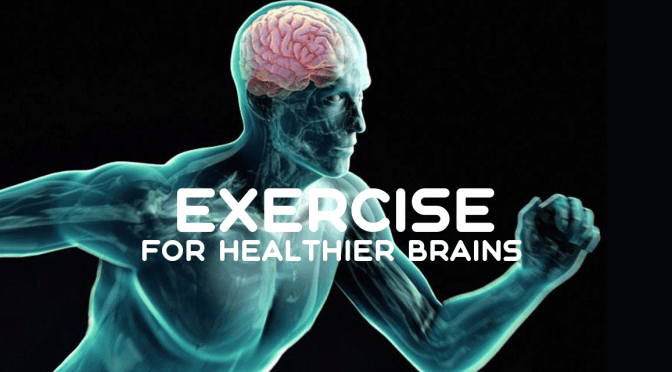
 In conclusion, increased CRF (cardiorespiratory fitness) following this six-month intervention was associated with enhanced brain glucose metabolism in the PCC (posterior cingulate cortex), a region linked to AD, and cognition among late-middle-aged individuals at risk for AD. If these findings are supported by a larger-scale study, this would provide strong evidence that adults at risk for AD may enhance brain function and cognition by engaging in aerobic exercise training.
 High medical prices and billing practices may reduce public trust in the medical profession and can result in the avoidance of care. In a survey of 1000 patients, 64% reported that they delayed or neglected seeking medical care in the past year because of concern about high medical bills. The field of quality science in health care has developed measures of medical complications; however, there are no standardized metrics of billing quality.
 A recent study found that only 53 of 101 hospitals were able to provide a price for standard coronary artery bypass graft surgery. Notably, among the hospitals that provided a price, the price ranged from approximately $44 000 and $448 000 and was not associated with quality of care as measured by risk-adjusted outcomes and the Society of Thoracic Surgeons composite quality score.


 Our findings suggest that LAN (low-level light at night) exposure increases the incidence of diabetes in a general elderly population. Further research involving a large cohort with new-onset diabetes is warranted to elucidate these findings.


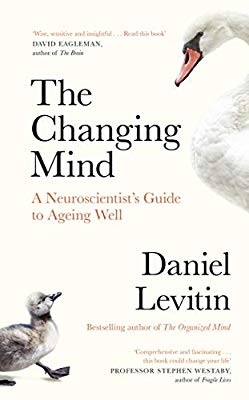 Challenging widely held assumptions about the diminishing abilities of an ageing brain, leading neuroscientist Daniel Levitin argues that we should view getting older as a beneficial experience rather than a form of cognitive entropy. Persuasively argued and consistently surprising, The Changing Mind will alter your perception of the relationship between age and intellect.
 Intellicurious