Although coronavirus disease 2019 (COVID-19) dominates the news in early 2020, it affects few people in the US. In contrast, at the same time the US is experiencing a severe influenza epidemic, which has caused an estimated 250 000 hospitalizations and 14 000 deaths.
Timothy Uyeki, MD, lead for the CDC’s 2019 novel coronavirus response team and Chief Medical Officer of CDC’s influenza division, discusses influenza in the US, how it compares to coronavirus, and what both patients and clinicians should know about this year’s flu season.
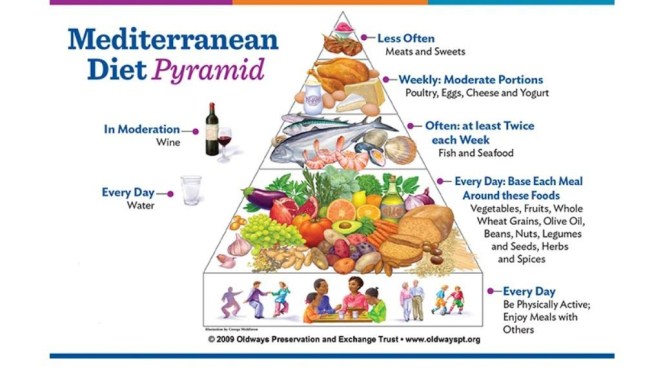
We observed that increased adherence to the MedDiet modulates specific components of the gut microbiota that were associated with a reduction in risk of frailty, improved cognitive function and reduced inflammatory status.
Objective Ageing is accompanied by deterioration of multiple bodily functions and inflammation, which collectively contribute to frailty. We and others have shown that frailty co-varies with alterations in the gut microbiota in a manner accelerated by consumption of a restricted diversity diet. The Mediterranean diet (MedDiet) is associated with health. In the NU-AGE project, we investigated if a 1-year MedDiet intervention could alter the gut microbiota and reduce frailty.
Design We profiled the gut microbiota in 612 non-frail or pre-frail subjects across five European countries (UK, France, Netherlands, Italy and Poland) before and after the administration of a 12-month long MedDiet intervention tailored to elderly subjects (NU-AGE diet).
Results Adherence to the diet was associated with specific microbiome alterations. Taxa enriched by adherence to the diet were positively associated with several markers of lower frailty and improved cognitive function, and negatively associated with inflammatory markers including C-reactive protein and interleukin-17. Analysis of the inferred microbial metabolite profiles indicated that the diet-modulated microbiome change was associated with an increase in short/branch chained fatty acid production and lower production of secondary bile acids, p-cresols, ethanol and carbon dioxide. Microbiome ecosystem network analysis showed that the bacterial taxa that responded positively to the MedDiet intervention occupy keystone interaction positions, whereas frailty-associated taxa are peripheral in the networks.
Conclusion Collectively, our findings support the feasibility of improving the habitual diet to modulate the gut microbiota which in turn has the potential to promote healthier ageing.
This small device may change how doctors identify and manage patients with atrial fibrillation, an irregular heart rhythm that increases risk of stroke.
And the past. The device uses artificial intelligence, or AI, to not only determine if a person is in the midst of an episode of atrial fibrillation, but also it can reveal if they’ve had the irregular rhythm before or will have it in the future.
Dr. Paul Friedman and his team trained the device to detect subtle changes in the heart’s electrical signals. Then in a study, they found it can identify patients with episodic atrial fibrillation. Even when they record the heart while the rhythm is normal – something no current wearable heart monitor can do.
That’s because a heart monitor won’t detect atrial fibrillation unless you have an episode while wearing it. But in a matter of moments, the AI device can identify people with atrial fibrillation, even if their heart is in normal rhythm. Then they can get on the right treatment to help prevent life-threatening strokes from happening.
Journal of the American Heart Association study (Feb 17, 2020):
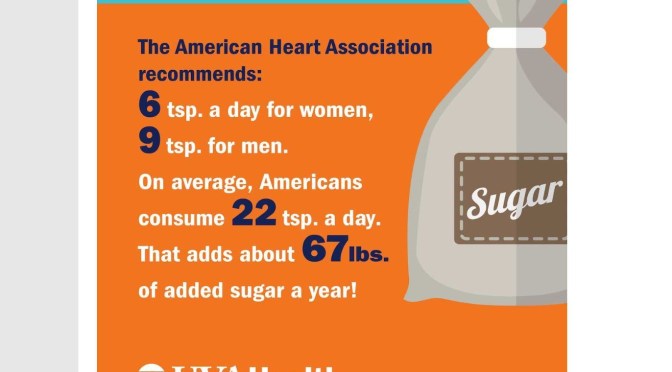
The association between poor overall sleep quality and greater consumption of added sugars observed in the current study aligns with previous findings that intakes of confectionary and sugar‐sweetened beverages were higher in middle‐aged Japanese women reporting poor, compared with good, sleep quality.
Background – Poor sleep increases cardiovascular disease risk, and diet likely contributes to this relationship. However, there are limited epidemiological data on the relationship between measures of sleep quality and habitual dietary patterns. This study examined these associations in a diverse sample of women.
Both short sleep duration and poor sleep quality are associated with the development of obesity, type 2 diabetes mellitus, and cardiovascular disease (CVD), and it is likely that the relationship between sleep and cardiometabolic disease risk is partially mediated by diet.5 Indeed, experimental studies demonstrate that restricting sleep duration leads to increases in energy intake, confirming associations of short sleep with higher energy intakes in observational population‐based studies.
From a New York Times article by Jane E. Brody (Feb 17, 2020):
“It takes 10 to 12 hours to use up the calories in the liver before a metabolic shift occurs to using stored fat,” Dr. Mattson told me. After meals, glucose is used for energy and fat is stored in fat tissue, but during fasts, once glucose is depleted, fat is broken down and used for energy.
I was skeptical, but it turns out there is something to be said for practicing a rather prolonged diurnal fast, preferably one lasting at least 16 hours. Mark P. Mattson, neuroscientist at the National Institute on Aging and Johns Hopkins University School of Medicine, explained that the liver stores glucose, which the body uses preferentially for energy before it turns to burning body fat.
For example, human studies of intermittent fasting found that it improved such disease indicators as insulin resistance, blood fat abnormalities, high blood pressure and inflammation, even independently of weight loss. In patients with multiple sclerosis, intermittent fasting reduced symptoms in just two months, a research team in Baltimore reported in 2018.
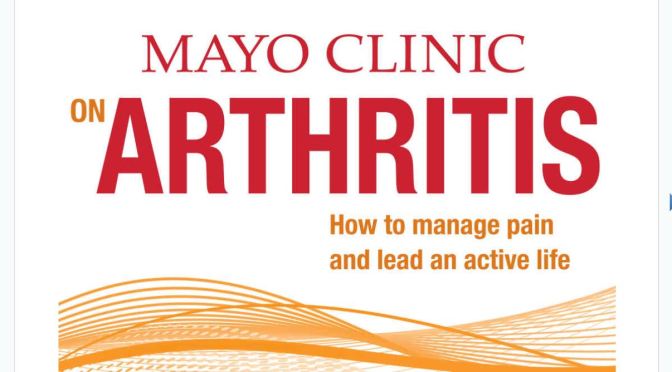
On the Mayo Clinic Radio program, Dr. John M. Davis III, a Mayo Clinic rheumatologist, discusses arthritis, and the latest edition of the book, “Mayo Clinic on Arthritis — How to Manage Pain and Lead an Active Life”.
If you have arthritis, you are not alone. More than 50 million Americans suffer from arthritis and it is the No. 1 cause of disability in the country. Arthritis is the swelling and tenderness of one or more of your joints, causing joint pain and stiffness that typically worsen with age. Of the over 100 kinds of arthritis, the two most common are osteoarthritis and rheumatoid arthritis. Learn more about arthritis: https://www.mayoclinic.org/diseases-c…
The emergent corona virus (SARS-CoV-2) outbreak in China is fast changing, just this week reported cases of the disease covid-19 jumped as new data became available. In this video Wendy Burns, and Peter Openshaw from Imperial College London explain what we know about the basic structure of the virus, it’s mode of transmission, the symptoms and pathogenesis of the diease, what we currently know about treatment, and how the virus may adapt in the future.
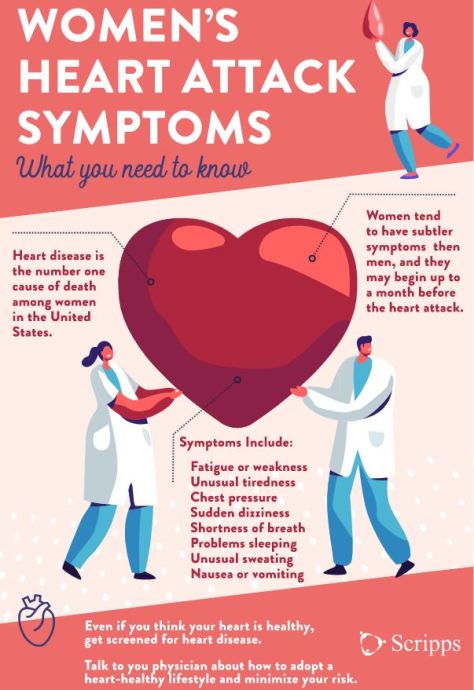
Heart disease is the number one cause of death among women in the United States. It takes the lives of nearly twice as many women as all forms of cancer combined, yet many women know very little about their heart health.Heart attack symptoms in women
Women tend to have subtler symptoms, and they may begin up to a month before the heart attack. Symptoms include:
Fatigue or weakness
Unusual tiredness
Pressure, or tightness in the center of the chest
Pain that spreads to the upper body, neck or jaw
Unusual sweating, nausea or vomiting
Sudden dizziness
Shortness of breath
Problems sleeping
Because many of these symptoms can be associated with common illnesses such as the flu, women are more likely to brush them off or assume something less serious is going on — and that can be a serious or even fatal mistake. If you experience these symptoms, don’t ignore them. Play it safe and call 911. The sooner you get treatment, the greater the chances of recovery.


 Although coronavirus disease 2019 (COVID-19) dominates the news in early 2020, it affects few people in the US. In contrast, at the same time the US is experiencing a severe influenza epidemic, which has caused an estimated 250 000 hospitalizations and 14 000 deaths.
 We observed that increased adherence to the MedDiet modulates specific components of the gut microbiota that were associated with a reduction in risk of frailty, improved cognitive function and reduced inflammatory status.

 This small device may change how doctors identify and manage patients with atrial fibrillation, an irregular heart rhythm that increases risk of stroke.

 The association between poor overall sleep quality and greater consumption of added sugars observed in the current study aligns with previous findings that intakes of confectionary and sugar‐sweetened beverages were higher in middle‐aged Japanese women reporting poor, compared with good, sleep quality.
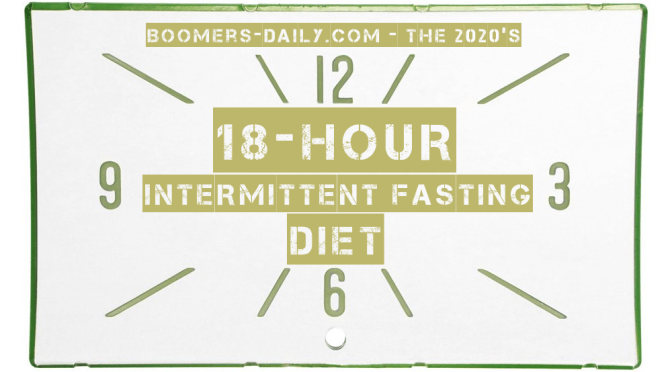
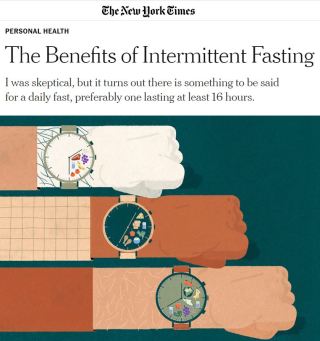 I was skeptical, but it turns out there is something to be said for practicing a rather prolonged diurnal fast, preferably one lasting at least 16 hours. Mark P. Mattson, neuroscientist at the National Institute on Aging and Johns Hopkins University School of Medicine, explained that the liver stores glucose, which the body uses preferentially for energy before it turns to burning body fat.