
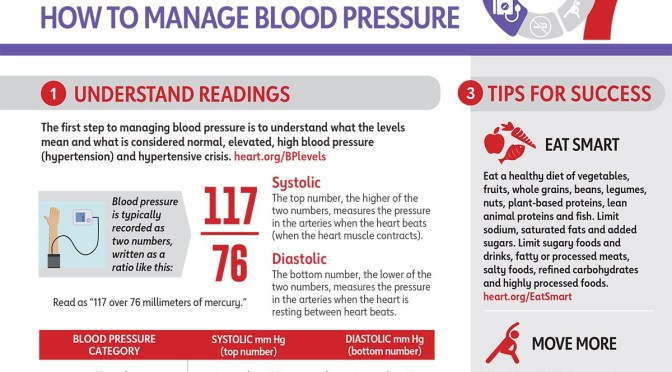
From an American Heart Assoc. Journal study (Feb 28, 2020):
 Seasonal variation in blood pressure has been known for 40 years, but, to our knowledge, for the first time we show here that this occurs independently of temperature. The reduction in blood pressure is more marked with a rise in UVB than UVA, and in whites than black people. Dermatological concerns about the skin cancer inducing effects of UV radiation need to be balanced against the observed blood pressure lowering effects of sunlight, particularly given the greatly higher burden of disease caused by hypertension.
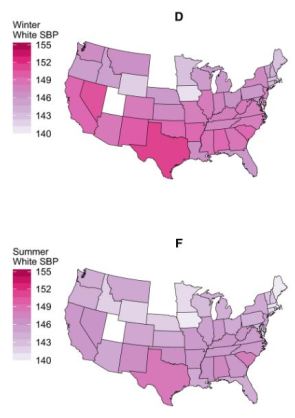 Sunlight exposure appears to lower blood pressure; insufficient exposure to natural ultraviolet radiation and/or active avoidance of sunlight may be new risk factors for hypertension.
Hypertension remains a leading global cause for premature death and disease. Most treatment guidelines emphasize the importance of risk factors, but not all are known, modifiable, or easily avoided. Population blood pressure correlates with latitude and is lower in summer than winter. Seasonal variations in sunlight exposure account for these differences, with temperature believed to be the main contributor. Recent research indicates that UV light enhances nitric oxide availability by mobilizing storage forms in the skin, suggesting incident solar UV radiation may lower blood pressure. We tested this hypothesis by exploring the association between environmental UV exposure and systolic blood pressure (SBP) in a large cohort of chronic hemodialysis patients in whom SBP is determined regularly.

 We found no association between egg consumption and risk of cardiovascular disease in three large US cohorts. Results from the updated meta-analysis lend further support to the overall lack of an association between moderate egg consumption (up to one egg per day) and cardiovascular disease risk.
 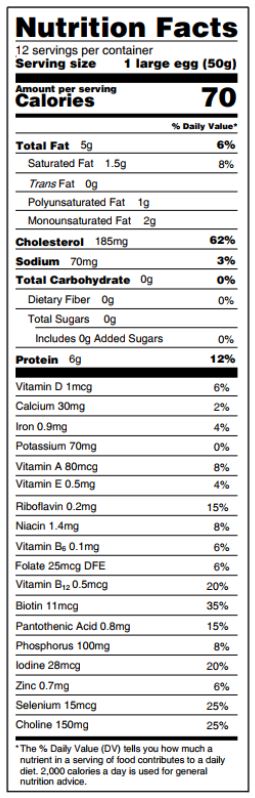 Eggs are a major source of dietary cholesterol, but they are also an affordable source of high quality protein, iron, unsaturated fatty acids, phospholipids, and carotenoids.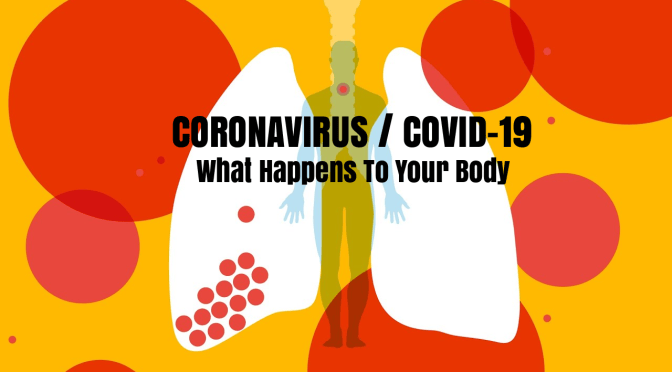
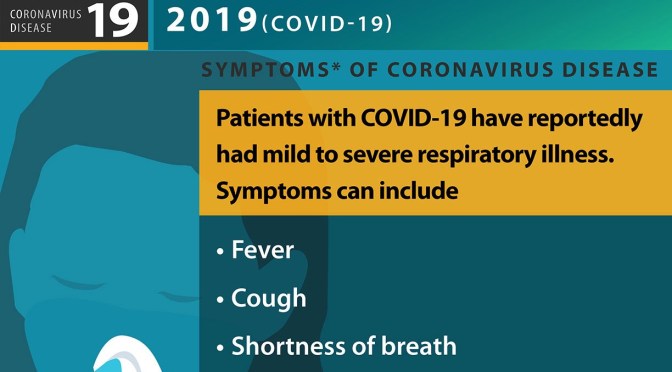
 What happens when you catch coronavirus? The Telegraph’s Global Health Security Editor Paul Nuki explains all the ways in which you could become infected with COVID-19 and how your body reacts to this virus.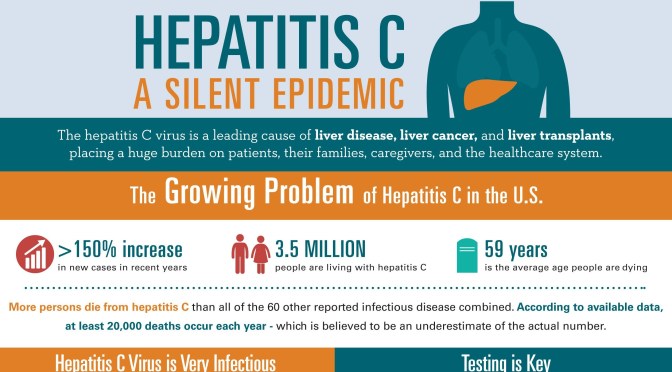
 “The opioid epidemic has added fuel to the HCV fire, substantially increasing transmission,” said Owens. “HCV is now an enormous public health problem, affecting a much broader age range of people than before. Fortunately, we have the tools to identify people and treatment is now successful in the vast majority of patients, so screening can prevent the mortality and morbidity from HCV.”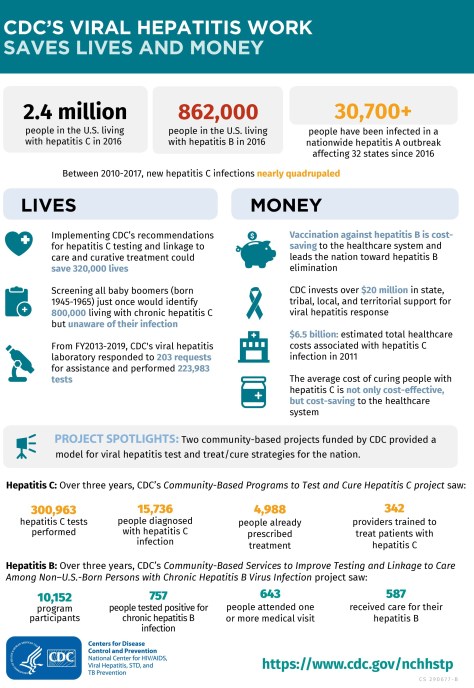

 Drug Pricing Theme Issue: Is Pharma Earning Too Much?, R&D Costs Required to Bring a New Drug to Market, Probiotic Safety, and more


 “
“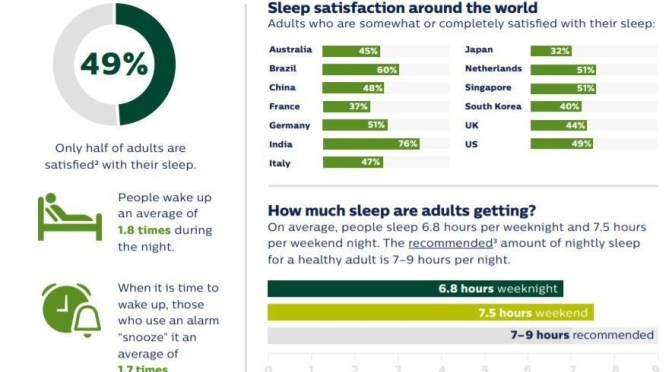
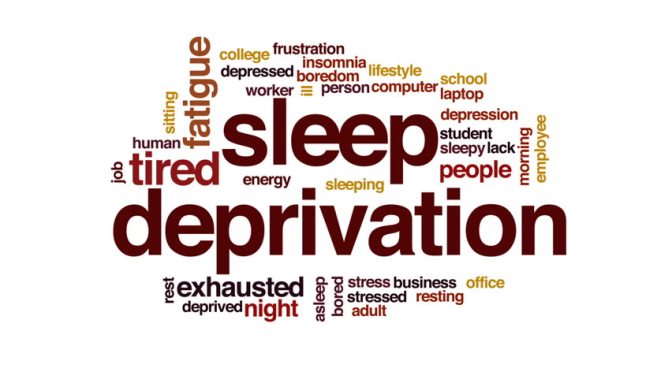
 “The decrease in people taking action to improve sleep is alarming, especially when it is clear people around the world deeply value sleep. Sleep deficit impacts people both mentally and physically, so we need to educate people on available sleep resources and empower them with the confidence that their efforts will pay off,” said Mark Aloia, PhD, Global Lead for Behavior Change, Sleep & Respiratory Care at Philips.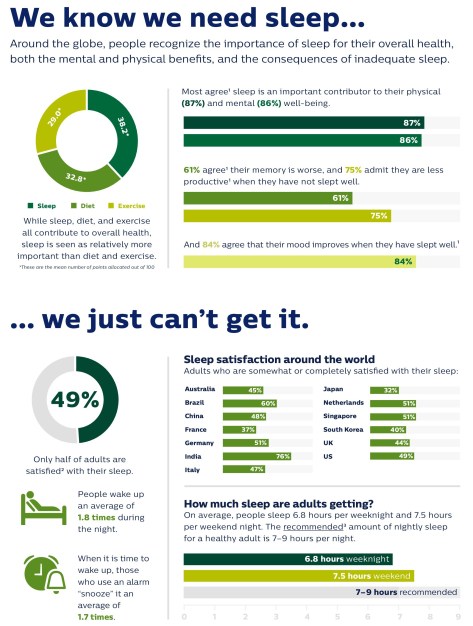
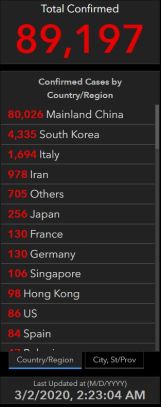 A lack of adequate knowledge is probably the driving force for the public panic, particularly at the early stages of an outbreak—highlighting the fact that information is crucial. Misunderstandings about the information that is available, even worse exaggerating such information, may further aggravate the panic. Unfortunately, these phenomena are not uncommon. To relieve the public panic, an effective approach would be timely publication of trustworthy research evidence in a manner appropriate for the public.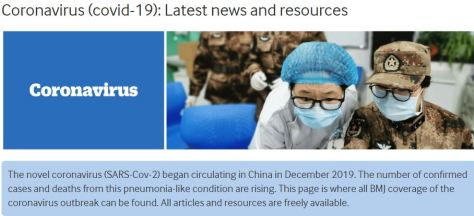
 Intellicurious