Category Archives: Health

Medicine Lectures: 2019 Nobel Laureates Sir Peter Ratcliffe And Professor William Kaelin (Oxford)

Sir Peter and Prof. Kaelin were awarded the Nobel Prize in Physiology and Medicine last year by the Nobel Assembly at Karolinska Institutet, in recognition of their discoveries of how cells sense and adapt to oxygen availability, an essential adaptive process central to many significant diseases. The professors respectively work for the University of Oxford and Harvard University, and shared the Nobel Prize with Prof. Gregg Semenza, a fellow researcher.

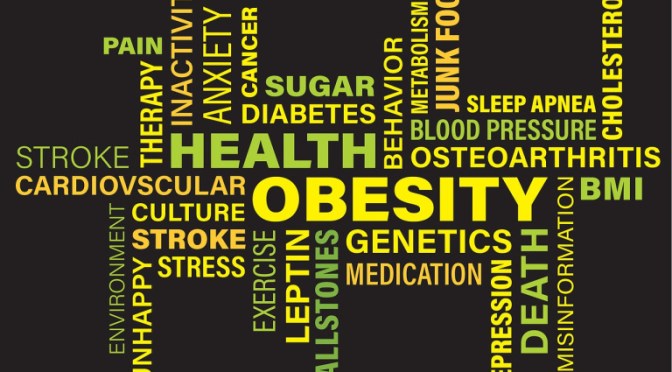
Studies: “Ultra-Processed Foods” Are 58% Of All Calories In U.S., & Obesity Epidemic’s Major Cause

From a The Guardian online article (Feb 12, 2020):

What characterizes ultra-processed foods is that they are so altered that it can be hard to recognize the underlying ingredients. These are concoctions of concoctions, engineered from ingredients that are already highly refined, such as cheap vegetable oils, flours, whey proteins and sugars, which are then whipped up into something more appetizing with the help of industrial additives such as emulsifiers. 

Read full article

From a MedPage Today online article (March 7, 2020):

The top ultra-processed foods by calorie intake were breads, beverages, cakes, Ultra-Processed Diet and Unprocessed Diet Infographiccookies and pies, salty snacks, frozen and shelf-stable dishes, pizza, and breakfast cereals.
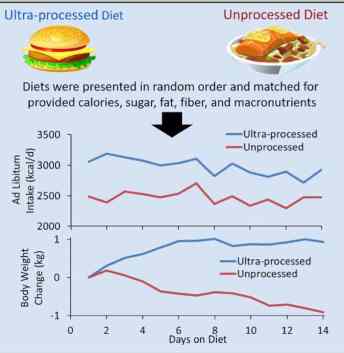
Altogether, ultra-processed foods accounted for 58% of all calories in the U.S. diet and nearly 90% of all added sugars.

They divided foods into four categories:

  • Unprocessed or minimally processed foods: Fresh, dry, or frozen fruits or vegetables, grains, legumes, meat, fish, and milk
  • Processed culinary ingredients: Table sugar, oils, fats, salt, and other substances extracted from foods or from nature and used in kitchens to make culinary preparations
  • Processed foods: Foods manufactured with the addition of salt, sugar, or other substances of culinary use to unprocessed or minimally-processed foods, such as canned food, simple breads, and cheese
  • Ultra-processed foods: Formulations of several ingredients that — besides salt, sugar, oils, and fats — include food substances not used in culinary preparations, in particular, flavors, colors, sweeteners, emulsifiers, and other additives used to imitate sensory qualities of unprocessed or minimally-processed foods and their culinary preparations or to disguise undesirable qualities of the final product

Read full article

History Videos: “1918 Flu Pandemic” – The Story And Lessons Learned (CBS)

The pandemic of H1N1 virus in 1918 infected about one-third of the world’s population, causing at least 50 million deaths, including more than a half-million in the United States. Martha Teichner reports.

Health Talk: “Colorectal Cancer” & Importance Of Screening (Mayo Clinic)


On the Mayo Clinic Radio program, Dr. John Kisiel, a Mayo Clinic gastroenterologist, discusses colorectal cancer and the importance of recommended screening tests.

This interview originally aired March 7, 2020. Disclaimer: Mayo Clinic has a financial interest in Exact Sciences.

Among cancers that affect men and women, colorectal cancer is the second leading cause of cancer deaths in the U.S., according to the Centers for Disease Control and Prevention. Most cases of colorectal cancer begin as small, noncancerous (benign) clumps of cells called polyps. Over time, some polyps become colon cancer. Because these polyps may be small and produce few, if any, symptoms, health care providers recommend regular screening tests to prevent colon cancer. These screenings identify and remove polyps before they become cancerous. March is Colorectal Cancer Awareness month, a time to educate the public about the importance of colorectal cancer screening.

Studies: Elderly In 3rd Highest Level Of Exercise Reduce Brain Shrinkage, Aging By 4 Years (AAN)

From a March 5, 2020 American Academy of Neurology release:

American Academy of Neurology (AAN) Logo“These results are exciting, as they suggest that people may potentially prevent brain shrinking and the effects of aging on the brain simply by becoming more active,” said study author Yian Gu, Ph.D., of Columbia University in New York and a member of the American Academy of Neurology.
“Recent studies have shown that as people age, physical activity may reduce the risk of cognitive decline and dementia. Our study used brain scans to measure the brain volumes of a diverse group of people and found that those who engaged in the top third highest level of physical activity had a brain volume the equivalent of four years younger in brain aging than people who were at the bottom third activity level.”

Older people who regularly walk, garden, swim or dance may have bigger brains than their inactive peers, according to a preliminary study to be presented at the American Academy of Neurology’s 72nd Annual Meeting in Toronto, Canada, April 25 to May 1, 2020. The effect of exercise was equal to four fewer years of brain aging. The study used magnetic resonance imaging (MRI) scans to measure the brains of people with a range of activity levels, including those who were inactive to those who were very active. The scans showed less active people had smaller brain volume.

Read full article

Health Studies: “Habitual” Supplementation Of Fish Oil (Omega-3) Lowers “All Cause Mortality” (BMJ)

From a BMJ Research study (March 4, 2020):

The BMJ podcastHabitual fish oil supplementation is associated with a 13% lower risk of all cause mortality, a 16% lower risk of CVD mortality, and a 7% lower risk of CVD events among the general population
Fish oil is a rich source of long chain omega 3 fatty acids, a group of polyunsaturated fats that primarily include eicosapentaenoic acid and docosahexaenoic acid. Initially, these compounds were recommended for daily omega 3 fatty acid supplementation for the prevention of cardiovascular disease (CVD). Consequently, the use of fish oil supplements is widespread in the United Kingdom and other developed countries.

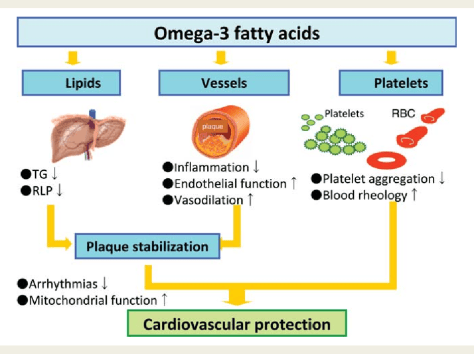
Omega-3 Fatty Acids Cardiovascular Protection

Several mechanisms could explain the benefits for clinical outcome derived from fish oil supplementation. Firstly, the results of several studies have indicated that supplementation with omega 3 fatty acids has beneficial effects on blood pressure, plasma triglycerides, and heart rate, all of which would exert a protective effect against the development of CVD. Secondly, several trials have shown that omega 3 fatty acids can improve flow mediated arterial dilatation, which is a measure of endothelial function and health. Thirdly, omega 3 fatty acids have been shown to possess antiarrhythmic properties that could be clinically beneficial. Finally, studies have reported that fish oil can reduce thrombosis. Additionally, studies have reported that the anti-inflammatory properties of fish oil could have a preventive role in the pathophysiology of CVD outcomes. Other mechanisms could also be involved to explain the effect of fish oil on CVD outcomes.

Read full study

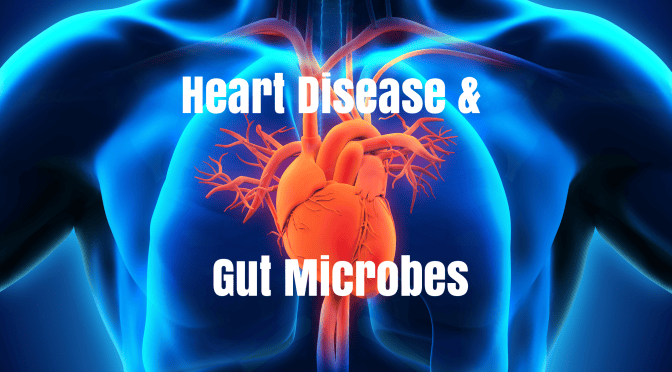
Heart Health Video: “Beta Blockers” Lower CVD Risks Of Harmful Gut Microbes

Hazen and colleagues find that gut bacteria play a central role in the conversion of dietary proteins into a compound, phenylacetylglutamine ( PAGln), which not only is associated with future cardiovascular disease risk in humans but also promotes platelet responsiveness and blood clotting potentially via adrenergic receptors, according to mouse models.

Read study

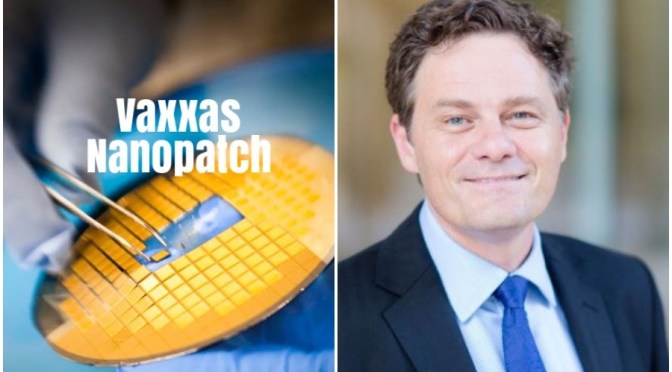
Interview: Scientist And Inventor Mark Kendall – “Nanopatch” Replacement For Vaccination (Podcast)

Monocle 24 Pioneers logoRocket scientist-turned-immunology expert Mark Kendall talks about his Nanopatch, which could revolutionise vaccinations and eradicate some diseases.

Mark Kendall (born 1972) is an Australian biomedical engineer and innovator. He is an Entrepreneurial Professor of the Australian National University. His field of research is the delivery of immunotherapeutics to the skin without the use of a needle or syringe.

In 2011, he co-founded the development company Vaxxas with an investor syndicate. The company’s technology, called Nanopatch, is intended to serve as a needle-free vaccine delivery device. In 2011, Kendall and his AIBN team received the Australian Research Council Eureka Prize for Excellence in Research by an Interdisciplinary Team. In 2012, he was awarded the Rolex Awards for Enterprise for his “pioneering efforts to expand knowledge and improve human life”.

Website