From a MedPageToday.com online article (March 2, 2020):
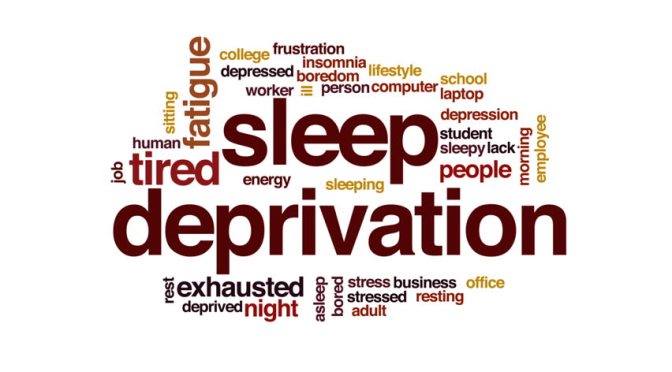
 “Dysfunctional sleep likely is by far the most prevalent comorbidity in CVD. This makes it essential to explore the nature of sleep, but this is reliant on the enthusiasm of clinician scientists,” according to the editorialists.
“In modern society, both the quantity and quality of sleep are negatively influenced by factors such as longer hours of work, more shift work, artificial light and cell phones, all leading to self-reported daytime symptoms such as fatigue, tiredness, and sleepiness,”
A larger range in individual sleep duration and sleep timing across 7 days of wrist actigraphy was associated with significantly more CVD events over a median 4.9 years of follow-up (P=0.002 for both trends).
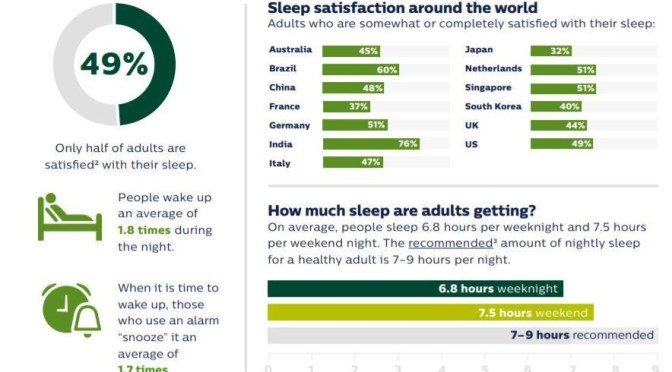
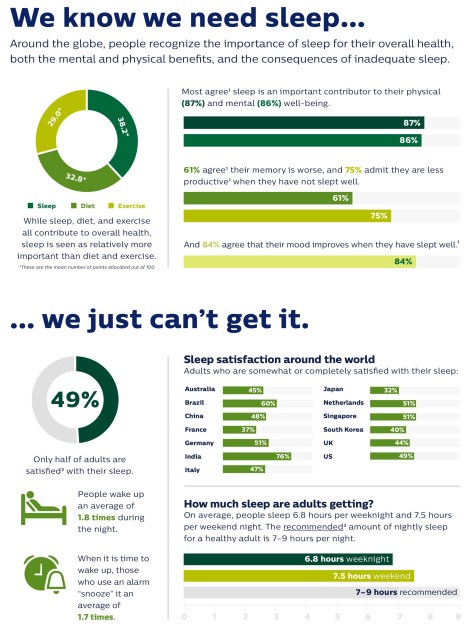
 “The decrease in people taking action to improve sleep is alarming, especially when it is clear people around the world deeply value sleep. Sleep deficit impacts people both mentally and physically, so we need to educate people on available sleep resources and empower them with the confidence that their efforts will pay off,” said Mark Aloia, PhD, Global Lead for Behavior Change, Sleep & Respiratory Care at Philips.
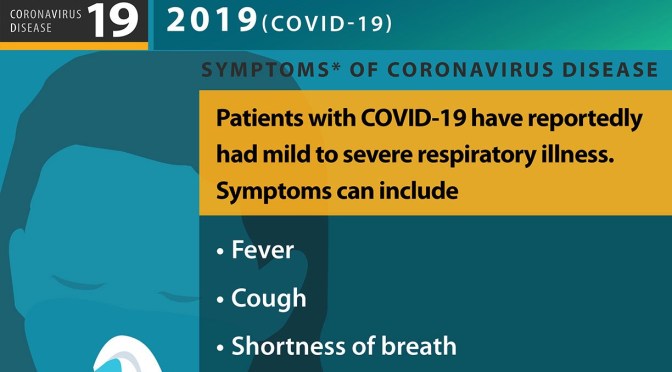
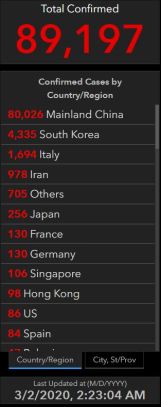 A lack of adequate knowledge is probably the driving force for the public panic, particularly at the early stages of an outbreak—highlighting the fact that information is crucial. Misunderstandings about the information that is available, even worse exaggerating such information, may further aggravate the panic. Unfortunately, these phenomena are not uncommon. To relieve the public panic, an effective approach would be timely publication of trustworthy research evidence in a manner appropriate for the public.
 Eat less, live longer- If you want to reduce levels of inflammation throughout your body, delay the onset of age-related diseases and live longer—eat less food. That’s the conclusion of a new study by scientists from the US and China that provides the most detailed report to date of the cellular effects of a calorie-restricted diet in rats.

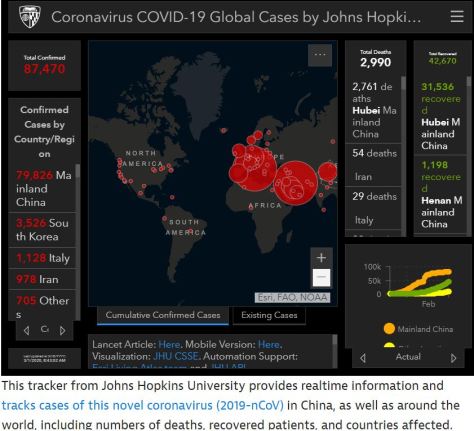
 In this edition of Backchat we take a deep dive into Nature’s coverage of coronavirus. As cases climb, what are some of the challenges involved in reporting on the virus?
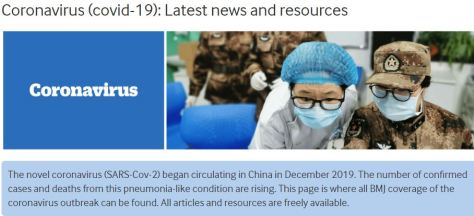
 In public health, honesty is worth a lot more than hope. It has become clear in the past week that the new viral disease, covid-19, which struck China at the start of December will spread around the world. Many governments have been signalling that they will stop the disease. Instead, they need to start preparing people for the onslaught