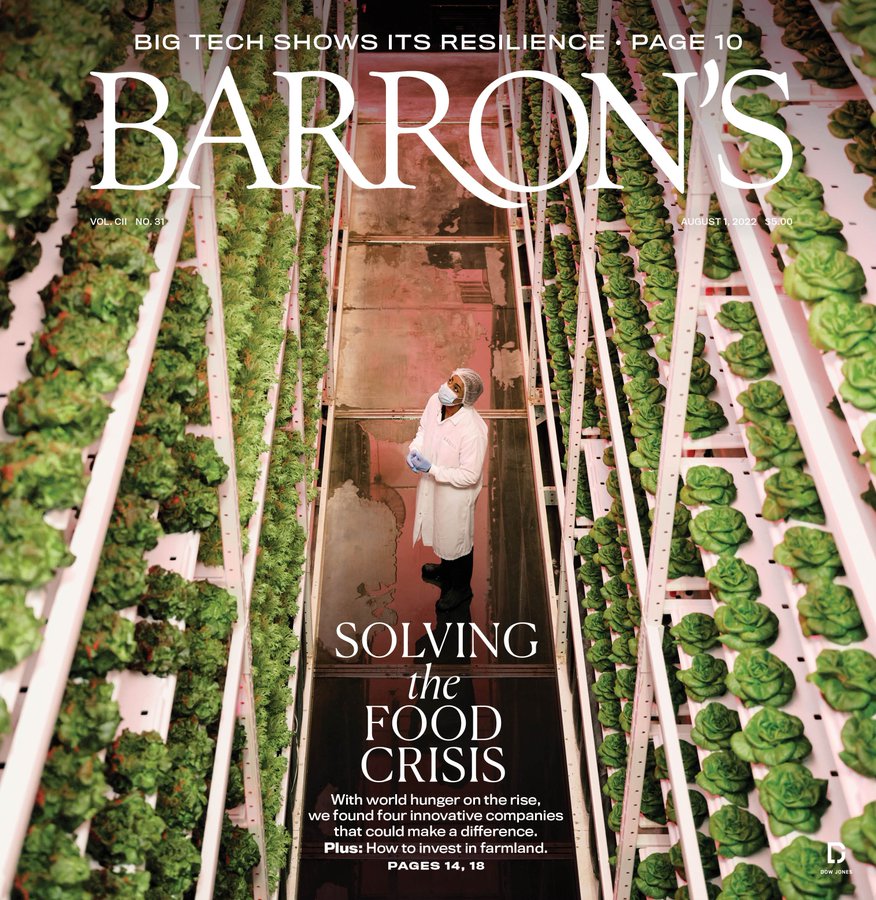
Big Tech’s Reign Isn’t Over Yet
Earnings season has offered a reminder about the value of tech. Why Amazon, Alphabet, and Microsoft remain strong buys.Long read

Earnings season has offered a reminder about the value of tech. Why Amazon, Alphabet, and Microsoft remain strong buys.Long read
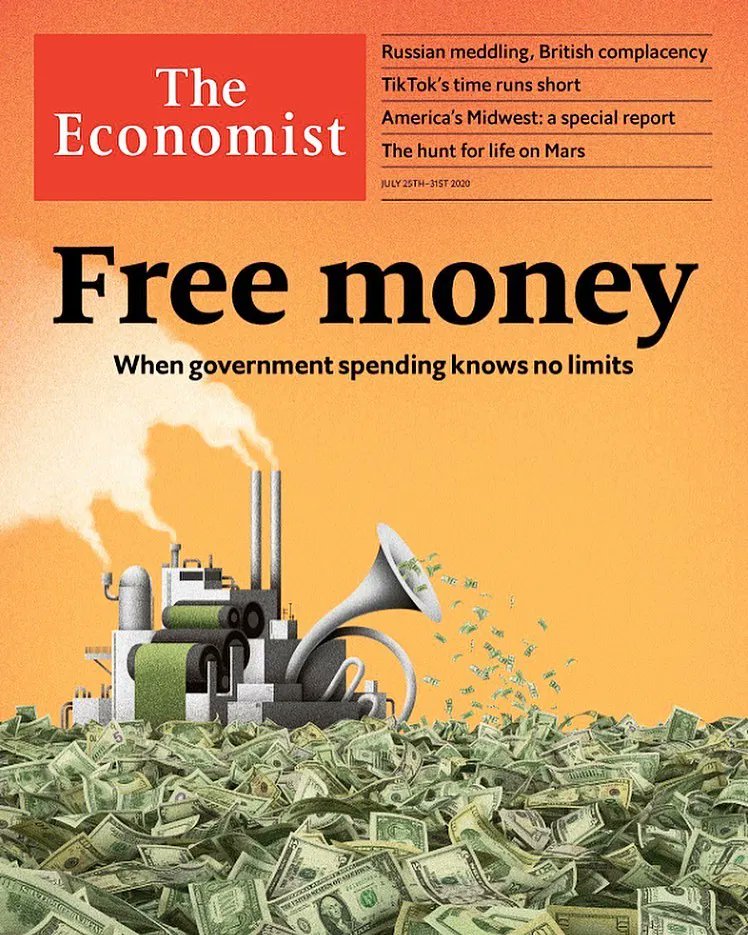
Budget constraints have gone missing. That presents both danger and opportunity
It is sometimes said that governments wasted the global financial crisis of 2007-09 by failing to rethink economic policy after the dust settled. Nobody will say the same about the covid-19 pandemic. It has led to a desperate scramble to enact policies that only a few months ago were either unimaginable or heretical. A profound shift is now taking place in economics as a result, of the sort that happens only once in a generation. Much as in the 1970s when clubby Keynesianism gave way to Milton Friedman’s austere monetarism, and in the 1990s when central banks were given their independence, so the pandemic marks the start of a new era. Its overriding preoccupation will be exploiting the opportunities and containing the enormous risks that stem from a supersized level of state intervention in the economy and financial markets.
A selection of three essential articles read aloud from the latest issue of The Economist. This week, why ESG should be boiled down to emissions, why the Tory leadership race should focus on Britain’s growth challenge (10:00), and how software developers aspire to forecast who will win a battle (18:20).
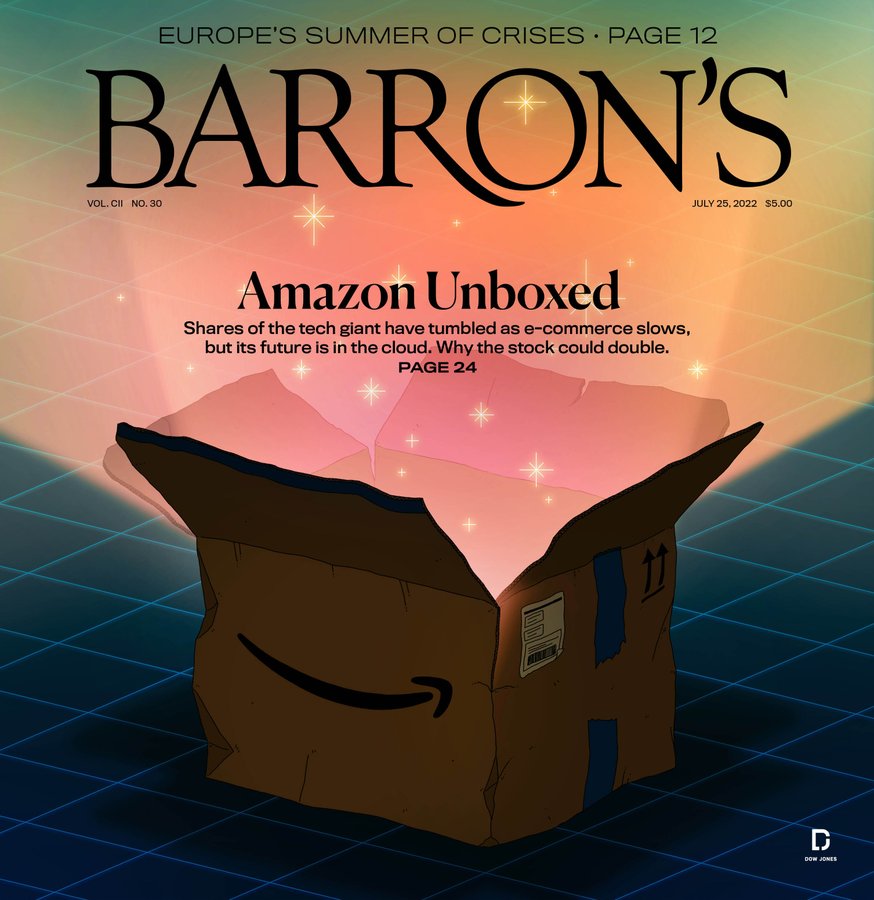
For investors, it’s time to refocus—Amazon shares have never looked more attractive.
THE TRADER
Ben Levisohn
THE TRADER
Ben Levisohn
THE TRADER
Al Root
UP AND DOWN WALL STREET
Randall W. Forsyth
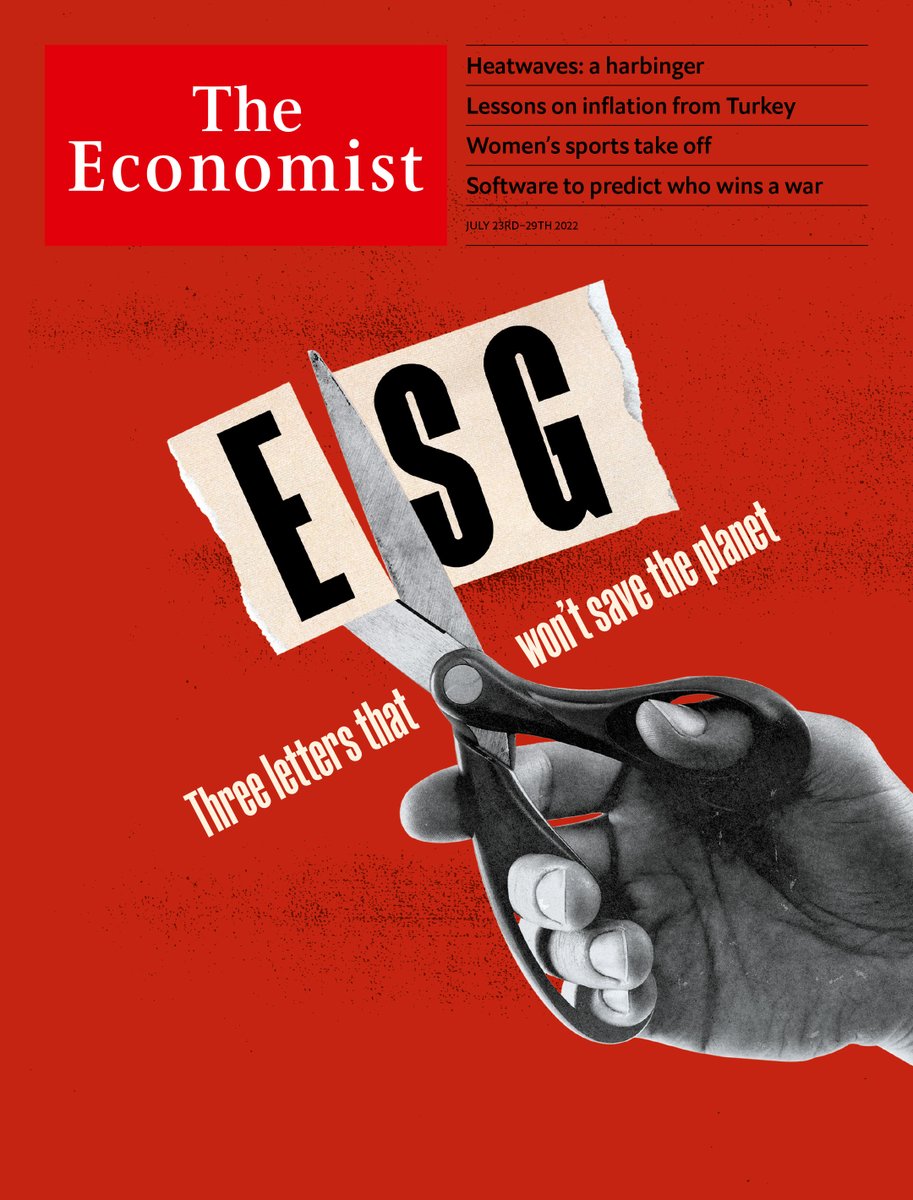
If you are the type of person who is loth to invest in firms that pollute the planet, mistreat workers and stuff their boards with cronies, you will no doubt be aware of one of the hottest trends in finance: environmental, social and governance (esg) investing. It is an attempt to make capitalism work better and deal with the grave threat posed by climate change. It has ballooned in recent years; the titans of investment management claim that more than a third of their assets, or $35trn in total, are monitored through one esg lens or another. It is on the lips of bosses and officials everywhere.
Panelists are split on where the economy and markets are headed, but agree this year’s selloff has left plenty of bargains.
Ben Levisohn
It’s easy to look at the week that stocks had and say the worst is over. The Dow Jones Industrial Average DJIA –0.15% rose 0.8%, while the S&P 500 SPX –0.08% gained 1.9% and the Nasdaq Composite COMP +0.12% climbed 4.6%. The Nasdaq even managed to string together five consecutive up days, its longest winning streak since November 2021.
THE TRADER
Ben Levisohn
THE TRADER
Ben Levisohn
STREETWISE
Jack Hough
UP AND DOWN WALL STREET
Andrew Bary
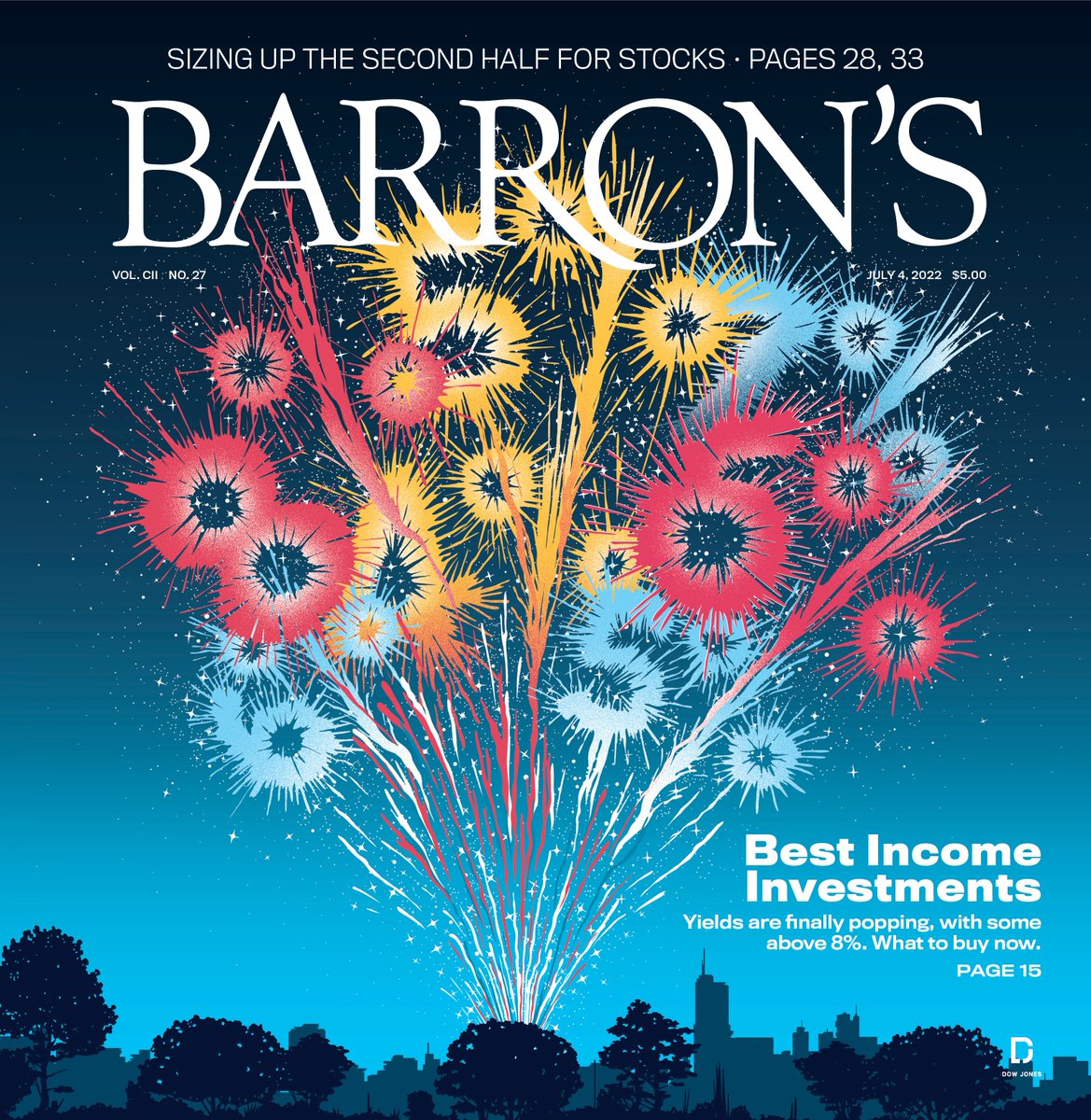
Our latest guide to income investing explores opportunities in categories ranging from junk bonds to TIPS and REITs.
UP AND DOWN WALL STREET
Randall W. Forsyth
THE TRADER
Teresa Rivas
THE TRADER
Nicholas Jasinski
STREETWISE
Jack Hough

Shares of home builders and steel makers sell for two to four times earnings. There are plenty of bargains in both groups.Long read

Law-enforcement budgets are increasing, along with demand for products they use to do their jobs. Cadre Holdings, a maker of body armor and handcuffs, is ready to capitalize.Long read
This week the World Economic Forum are highlighting 4 top stories – rethinking global institutions, 4-day week vs flexible work, turning food waste into cement and income loss for UK mothers.
The World Economic Forum is the International Organization for Public-Private Cooperation. The Forum engages the foremost political, business, cultural and other leaders of society to shape global, regional and industry agendas. We believe that progress happens by bringing together people from all walks of life who have the drive and the influence to make positive change.

 Intellicurious