
 Steve Tidball is the CEO and co-founder of Vollebak, a men’s outerwear label launched with one question: what does the future of clothing look like? Steve and his brother Nick dreamed up the brand while running ultra-marathons in extreme conditions. Today, leaning heavily on science and technology, their team creates pieces from materials most have never thought to use, from titanium to graphene.
 The Indestructible Puffer is made from Dyneema which is the single strongest fibre known to man today. If you’re into chemistry, it’s an ultra-high molecular weight polyethylene that combines extreme strength with very low weight. On a weight for weight basis Dyneema is up to 15x stronger than steel and 40% stronger than high-strength aramid fibres. While it’s often used as a composite – an ingredient added to other materials to make them exceptionally strong – the entire outside of this jacket is made from 100% Dyneema.



 Listen to the latest from the world of science, with Benjamin Thompson and Nick Howe. This week, establishing climate change’s role in Australian bushfires, and revisiting Isaac Asimov’s thoughts robots.
 The 10 year CVD (cardiovascular disease) incidence increased significantly across the baseline SMI (skeletal muscle mass index) tertiles (p<0.001). Baseline SMM (Skeletal muscle mass) showed a significant inverse association with the 10 year CVD incidence (HR 0.06, 95% CI 0.005 to 0.78), even after adjusting for various confounders. Additionally, participants in the highest SMM tertile had 81% (95% CI 0.04 to 0.85) lower risk for a CVD event as compared with those in the lowest SMM tertile.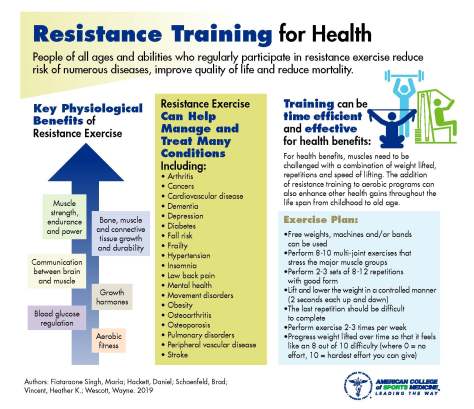

 There are many named diets that receive a great deal of attention. But what are they and do they work? David Heber, MD, PhD, from the UCLA Center for Human Nutrition explains these diets.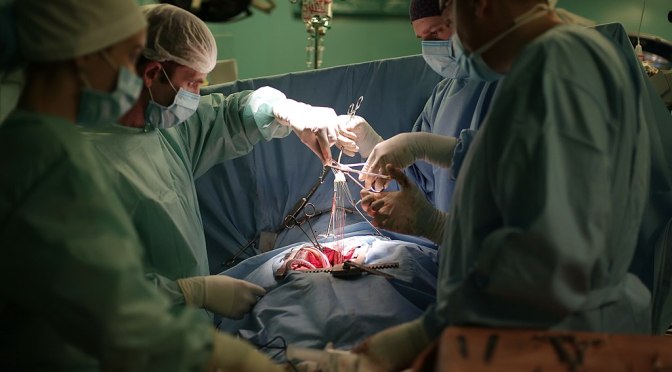
 “Patients can go home after a shorter length of stay in the hospital without increased risk of complications and rehospitalizations,” said Dr. Malaisrie. “Because we found no detrimental effect of accelerated discharge, both patients and physicians should not be averse to discharging patients when medically ready.”


 In James Wrayge’s quiet studio on an early winter afternoon, there is a tangible sense of purpose. Wrayge’s paintings line the walls along the portion of the space he shares with another artist at the Northrup King Building in Minneapolis. There are also some paintings on the floor propped up against the same walls. And there is one — in progress — set on an easel in the corner.