From a New Atlas online review:
Now VanDoIt has capitalized on the launch of the 2020 Transit AWD to make its modular vans even more capable and versatile, letting owners option right up to a full-blown off-road, off-grid adventure vessel. It received a pre-production prototype from Ford and got to work rejiggering its modular conversion around the updated van, bearing fruit in the all-new LIV.
Earlier this year, Ford announced plans to launch an all-wheel-drive Transit as part of its updated 2020 US van lineup. That might seem like small product news, but it means that the US market will finally get a second factory AWD van to compete with the Mercedes Sprinter 4×4 that came over the Atlantic in 2015. It also means we can expect to see camper vans that look more like this one. The masters of modularity at VanDoIt become the first Americans to offer a camper van on the all-new Transit AWD, adding the LIV van as the second model in their lineup of super-flexible adventure vans. With a full selection of plug-and-play equipment, the LIV can flex between eight-seat, toy-hauling sleeper van and fully equipped multi-bed camper.



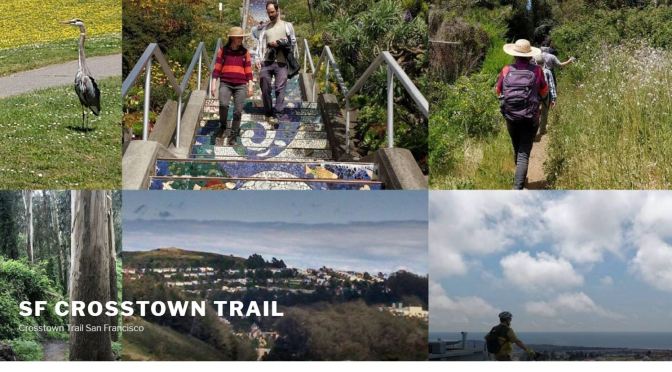
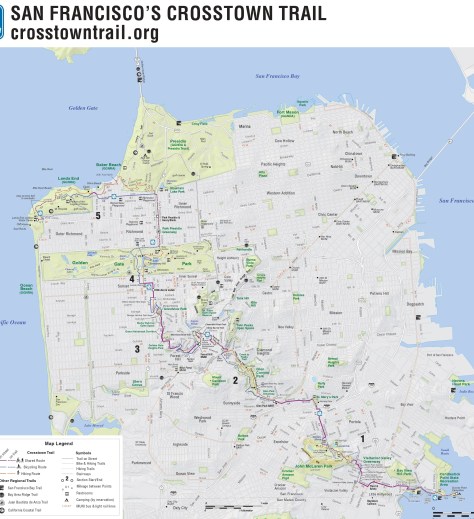
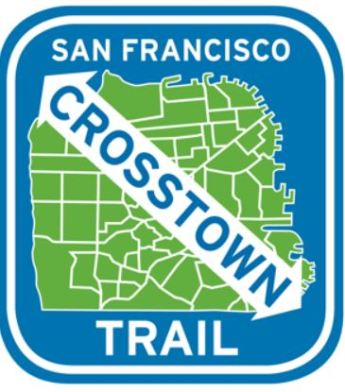 The Crosstown Trail is a route connecting San Francisco neighborhoods, open spaces, and other major trails. It runs from Candlestick Point in the southeast corner of the city to Lands End in the northwest corner. The route is usable by both pedestrians and bicyclists, and it connects many parks, business districts, residential areas, and public transit.
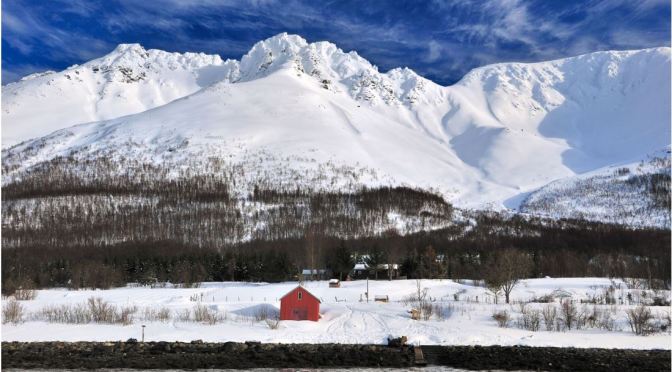
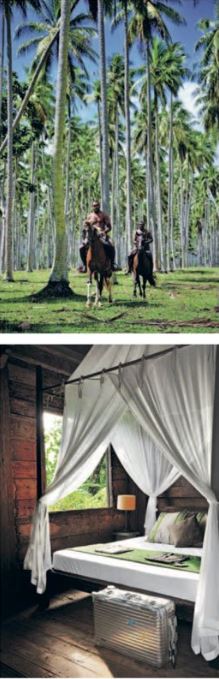
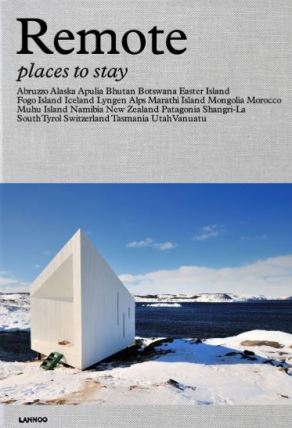 The visuals make up most of the book’s volume, with David De Vleeschauwer’s photography magically working on various levels: on the one hand, artfully conveying the splendour and beauty of all the featured remote landscapes, and on the other, focusing on minute details that we usually pay no attention to: such details are isolated and enlarged as if to make us stop and look for a while. Each location is also paired with a hotel or guesthouse review, together with snippets of information about the area and how to actually get there.
 Above all, ‘
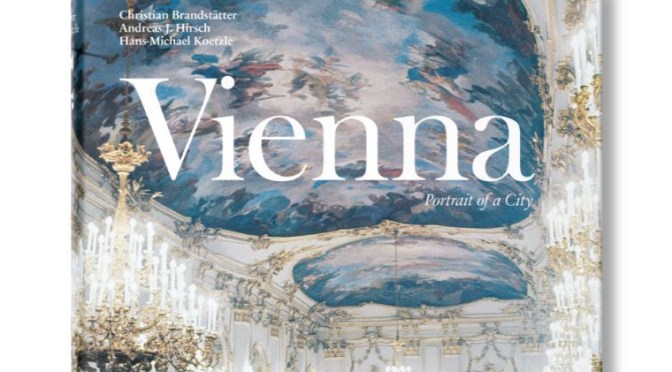
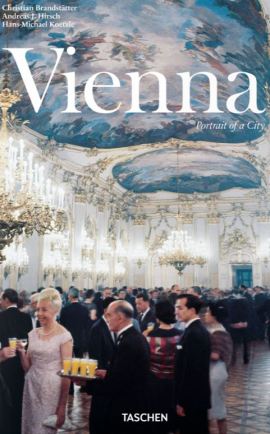 This volume is a treasure trove of photography from the last 175 years, following the evolution of Vienna from imperial capital to modern metropolis. Like a visual walk through time and cityscape, hundreds of carefully curated pictures trace the developments in Vienna’s built environment and the cultural and historical trends they reflect, whether the urban Gesamtkunstwerk of the 19th-century Ringstrasse or the experiments of “Red Vienna” in the 1920s, when the city had a social democrat government for the first time.
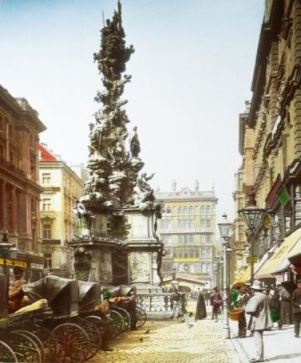 Vienna combines drama and elegance like no other. For centuries the heart of the Austro-Hungarian Empire, the stately city on the Danube, has been defined by vast palaces and imperial grandeur—but behind the Baroque opulence, Vienna is also a place of genteel coffee house culture, epicurean tradition, and a heritage of both delicate and daring music, art, and design, from Johann Strauss to
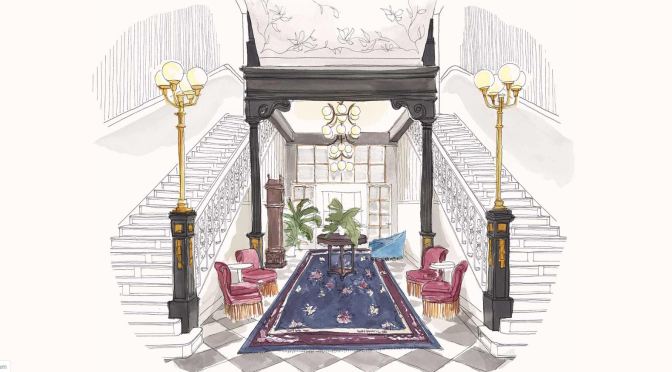
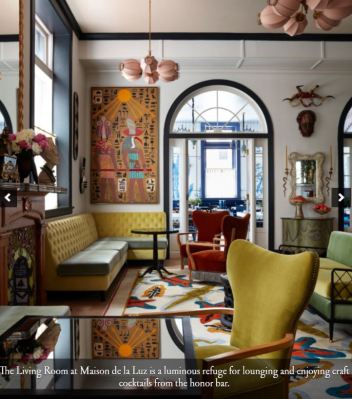 Maison de la Luz