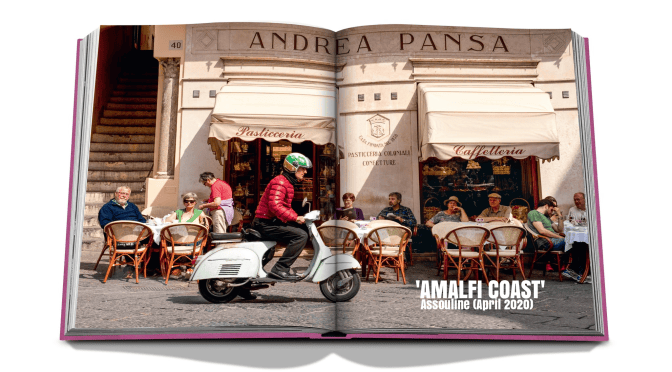
 The Amalfi Coast is the pinnacle of the Italian dream. Tucked amongst the lemon blossoms and the bougainvillea is a line of thirteen towns that comprise the Amalfi Coast. Known for its vertical landscape, the villages are only accessible via the Strada Statale 163 — a narrow, winding, cliffside route that while unsettling to traverse, offers unparalleled views.
This magical strip joins the mountains and the Mediterranean Sea below and aesthetes from around the world flock here year after year to enjoy its quaint pebbled beaches, scenic hikes, perfect climate and legendary establishments, which are not limited to storied hotels and restaurants.
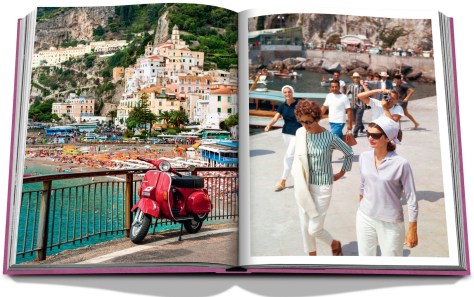
Landmarks from the Cathedral in Amalfi to Villa Rufolo in Ravello, all evoke the culture and the spirit of bygone centuries, and landmarks enjoyed by the likes of Jacqueline Kennedy, John Steinbeck, and Gore Vidal abound. With its signature limoncello, both grown and enjoyed locally, finest villas and breathtaking vistas, the Amalfi Coast is in a class of its own.
Carlos Souza is a global brand ambassador for Valentino and a contributor at Architectural Digest with over forty years of experience in the art and fashion world. His photography career began at the request of Andy Warhol, who asked him to shoot fashion shows for Interview. He has previously worked with Assouline on #Carlos’s Places (2014) and Comporta Bliss (2018).
Charlene Shorto was born in Recife, Brazil, and educated in Switzerland and Great Britain. She is wed to Carlos Souza and has two sons, Sean and Anthony. The family moved to Rome, where Charlene worked tirelessly under the fashion designer Valentino, eventually ascending to the position of director of Oliver by Valentino. Shorto also collaborated with Souza on Comporta Bliss (2018).

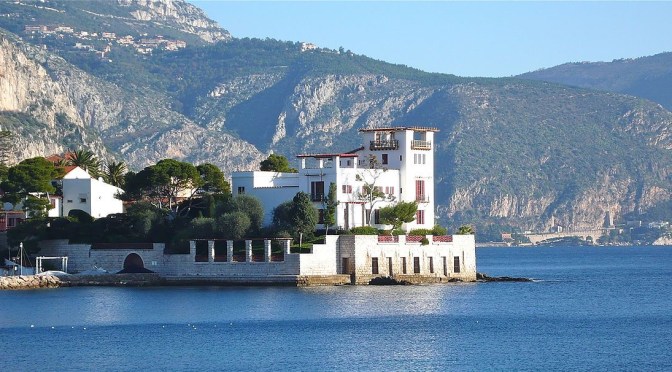
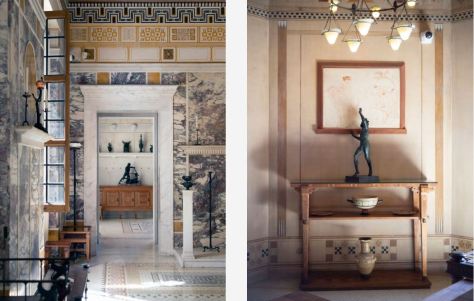
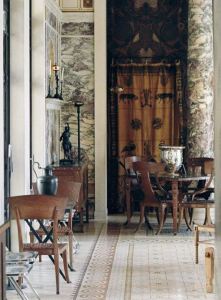 Throughout, the attention to detail is meticulous: mosaic floors of mythical beasts; intricately painted ceilings of interlocking wooden beams. The walls of the Andron, traditionally the male quarters of an ancient Greek household, are streaked with three types of Tuscan marble: ochre Siena, mauve Fleur de Pêcher, and grey-white Carrara. In Mrs Reinach’s bathroom, an immense bathtub weighing one tonne is balanced on two lion paws. Above its ornamental bronze taps, a low-relief frieze depicts the chariot of Demeter. From every window stretches a panorama of glittering blue.


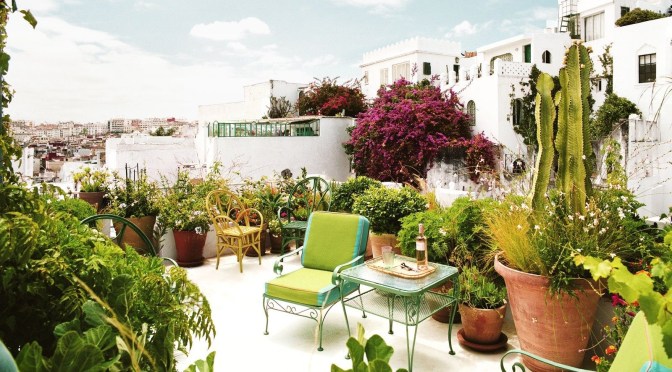
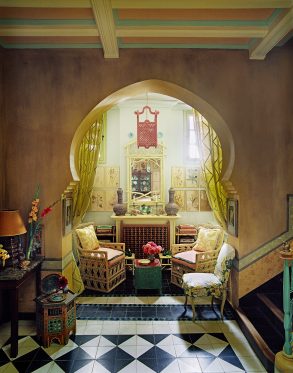 “Tangier is the crossroads of so many civilizations,” says AD100 talent Frank de Biasi of the evocative Moroccan port city that he and his partner, the multifaceted designer Gene Meyer, have made their home. “There’s a central energy here,” he explains, “where the Atlantic meets the Mediterranean, where Europe meets Africa. It’s a psychic point like no other place.”