
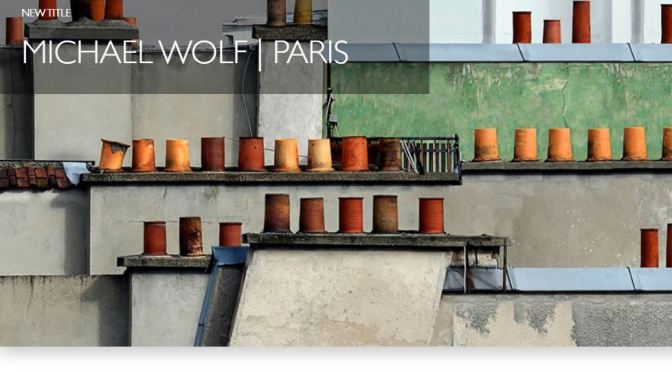
MICHAEL WOLF | PARIS
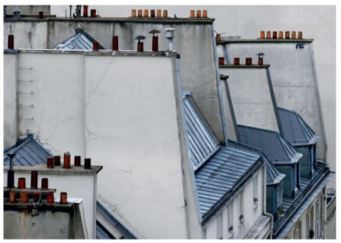 Michael Wolf achieved fame when he won the 2005 World Press Photo with his China, Factory of the World project, and the 2010 World Press Photo with his Tokyo Compression. The present book offers his personal take on the French capital. Singling out typical architectural features of the Parisian landscape he renders the seemingly banal immortal, as only he knows how.
Roofs, chimneys, and lights provide the pictures with rhythm, with their colours, shapes, and above all their volumes. Wolf invites the reader to enter his highly distinctive visual world and let his gaze follow the snaking lines of walls and gutters, dwelling on unexpected details lovingly picked out. The photographer’s underlying desire is to encourage us to consider the environmental and architectural context that provides a framework for all these rigorously rectangular features.
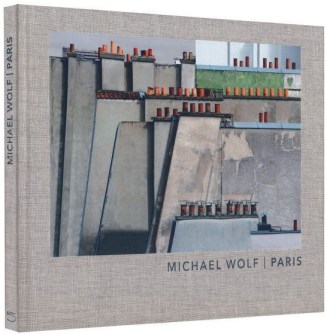 This dreamlike journey into a Paris viewed from the rooftops is underlined in the second part of the book. The shadows of trees decorate the façades of various buildings, creating a visual poetry and prompting an intimate dialogue where, in the absence of all human presence, nature and architecture blend into one another.
Michael Wolf (1954-2019) lived in Europe, America, and Asia, spending his last years in Hong Kong. A German photographer specialized in urban shots, he graduated in photography from the Folkwang University of the Arts in Essen, where he studied under Otto Steinert. Among his most noteworthy projects are the “beehive” skyscrapers in Hong Kong. The focus of his research is city life, especially in overpopulated contemporary metropolises, and their inhabitants’ loss of individuality. Wolf’s work has been displayed in a variety of locations, including the Venice Biennale of Architecture, the Aperture Foundation Gallery in New York, the Hong Kong Shenzhen Biennale, and the Museum of Contemporary Photography in Chicago. His works are also present in many permanent collections, including those of the Metropolitan Museum of Art in New York, the Museum of Contemporary Photography in Chicago, and the German Architecture Museum in Frankfurt.
Johan-Frederik Hel Guedj, a French writer, has published two novels (Le traitement des cendres, L’amour grave), a collection of short stories (De mon vivant), an account of polar exploration (Chercheurs d’éternité), and an essay on Orson Welles (La règle du faux). He lives in Brussels and writes on contemporary art in the daily newspaper L’Echo/De Tijd.
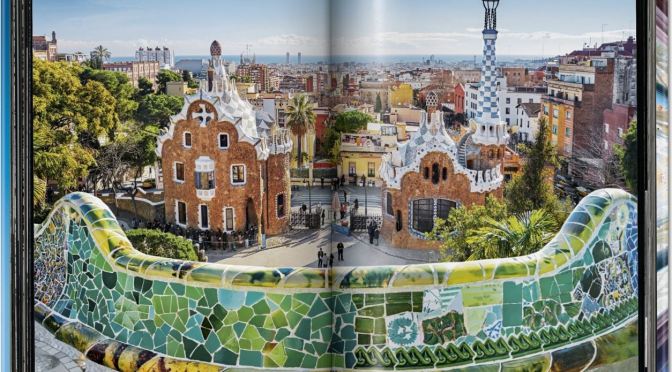
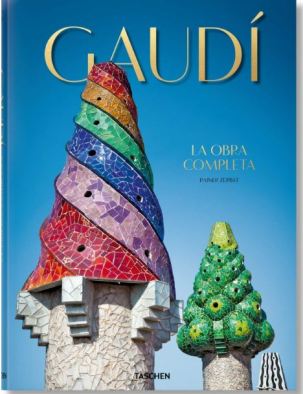 Through brand-new photography, plans and drawings by Gaudí himself, historical photos, as well as an appendix detailing all his works—from buildings to furniture, decor to unfinished projects—this book presents Gaudí’s universe like never before. Like a personal tour through Barcelona, we discover how the “Dante of architecture” was a builder in the truest sense of the word, crafting extraordinary constructions out of minute and mesmerizing details, and transforming fantastical visions into realities on the city streets.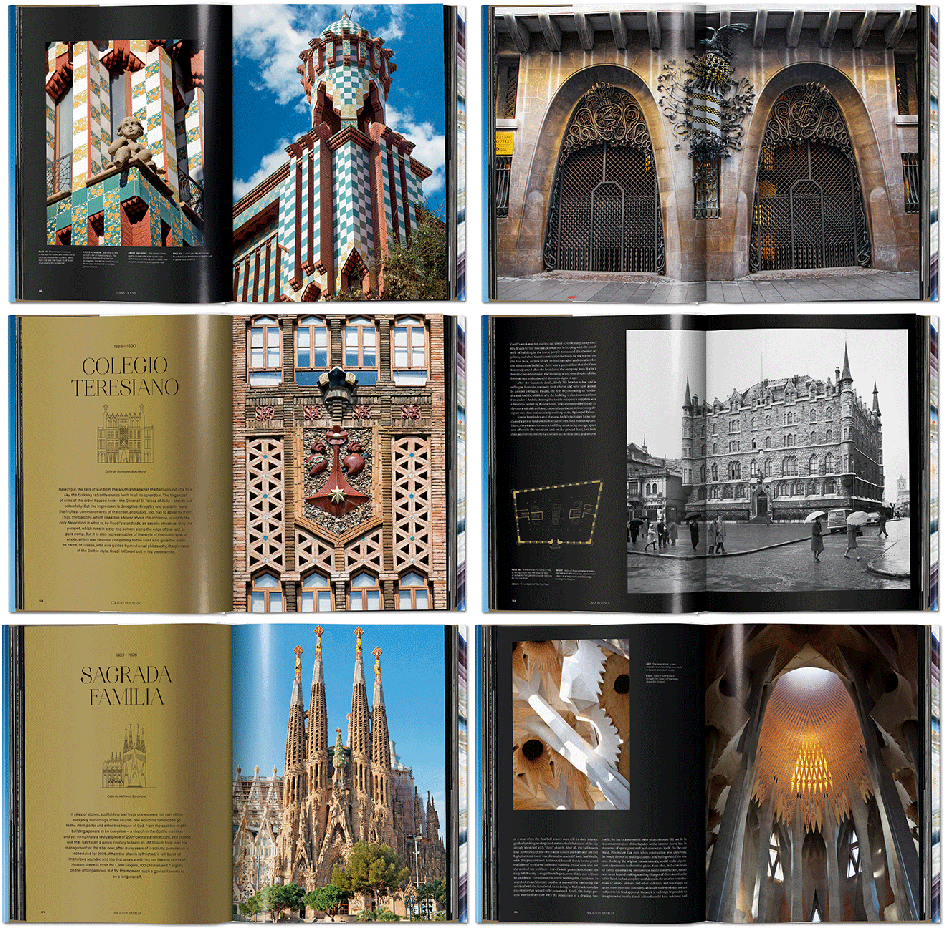
 Gaudí’s incomparable architecture channels much of this multifaceted intricacy. From the shimmering textures and skeletal forms of Casa Batlló to the Hispano-Arabic matrix of Casa Vicens, his work merged the influences of Orientalism, natural forms, new materials, and religious faith into a unique Modernista aesthetic. Today, his unique aesthetic enjoys global popularity and acclaim. His magnum opus, the Sagrada Familia, is the most-visited monument in Spain, and seven of his works are UNESCO World Heritage Sites.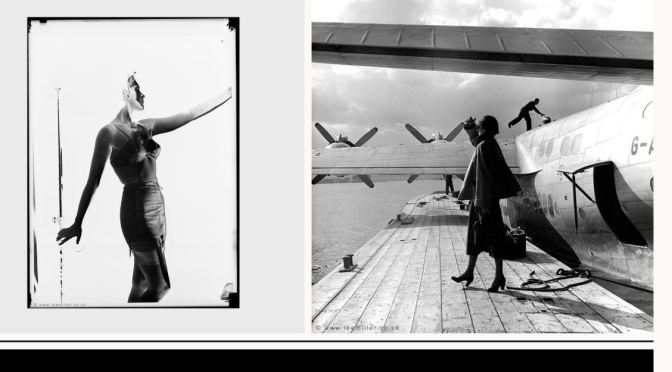
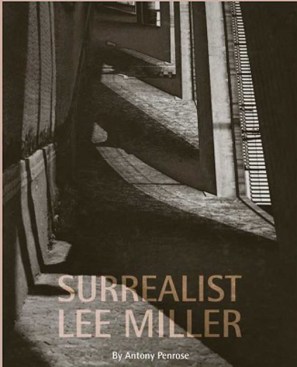 The Surrealist eye informed everything Miller did, and her work presents the world in a way that encourages us to view it in a different manner. Written and collected by her son Antony, Surrealist Lee Miller amasses more than one hundred full-page images from throughout the artist’s life as an attestation to her wonderful way of seeing.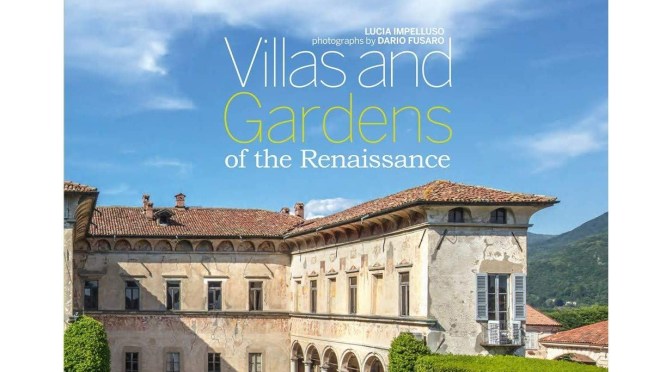
 An historical text introduces each property, giving an overview of its origins. The villas have been specially photographed for this book by Dario Fusaro, with views of both the palace interiors and their grounds, as well as the gardens, glimpses of the halls, details of the furnishings, and a focus on the frescoes, where still preserved. Explanatory text offers insights on the most
 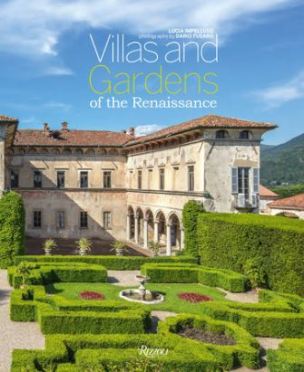 interesting frescoes, such as those of Veronese at Villa Barbaro. For the first time, Fusaro also employs a drone with the purpose of capturing the architectural structure and elements of each Italian Renaissance garden, from above and as a whole.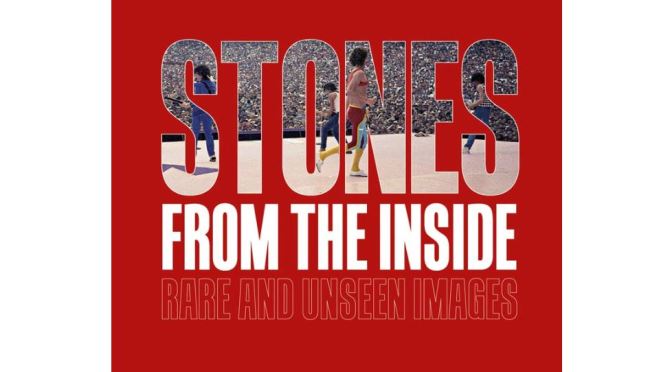
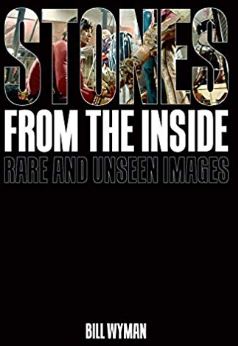 Along with the images of the band at work and play, Wyman includes remarkable images of those along for the ride, from John Lennon, Eric Clapton, David Bowie and Iggy Pop to John Belushi and Dan Aykroyd. To accompany his photographs, Wyman offers up wonderful insights, anecdotes and behind-the-photo stories, giving all us a front-row seat and backstage pass to what it was like to be there, as music history was made as a member of The Rolling Stones.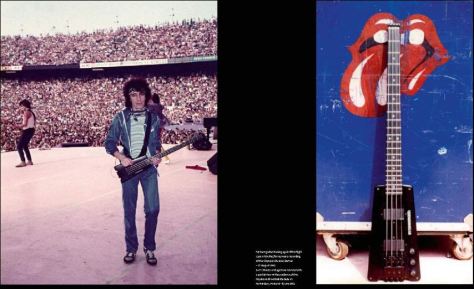


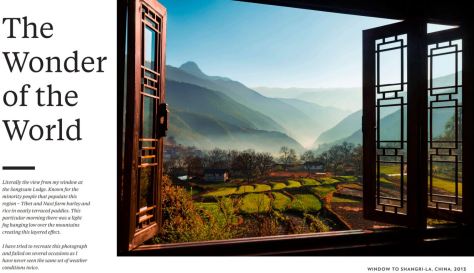
 “People want to see photography and right now there are not a lot of places to do that,” he says. Showing “the best photography in the world” remains Fotografiska’s core mission, Broman says.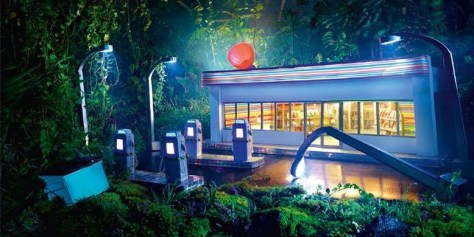

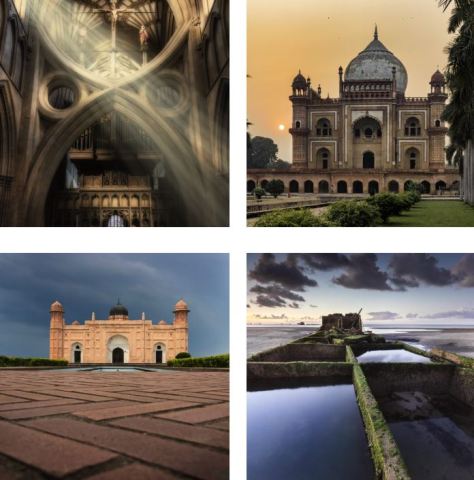
 The Historic Photographer of the Year awards showcase the world’s very best historic places and cultural sites from across the globe, capturing everything from the most famous national treasures to the obscure and forgotten hidden gems.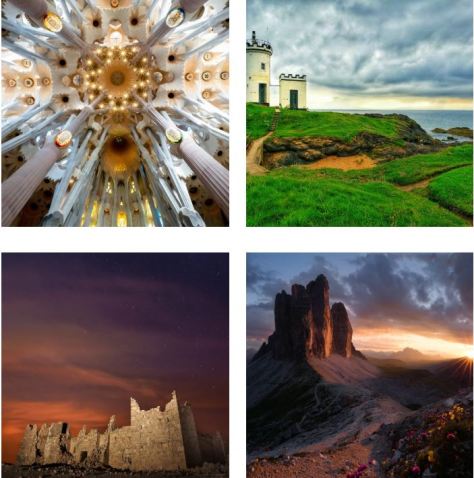
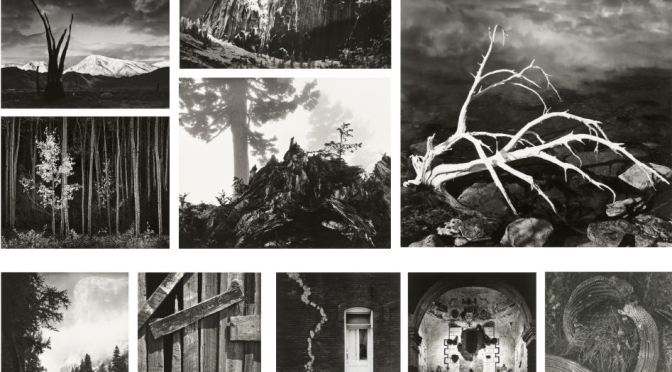
 Adams’ ‘visualisation’ strategy marked a shift away from Pictorialism, a much more manipulated photographic style, which had influenced his early work. His desire for sharper focus and deeper tone and contrast (he called it ‘an austere and blazing poetry of the real’) led to him becoming a leading figure in pure — or straight — photography.
  Intellicurious