
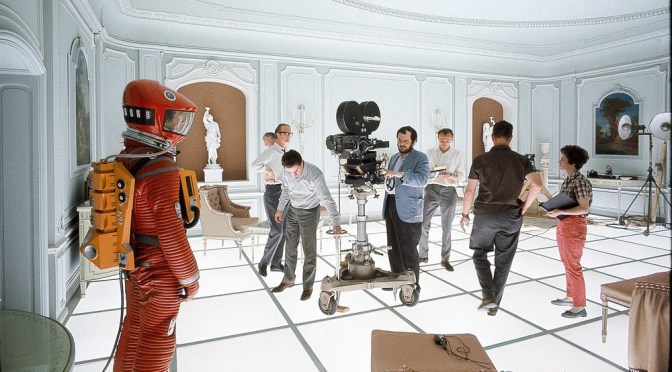
From a New York Times online review:
“Envisioning 2001” shows Kubrick as a director in command of all aspects of filmmaking, and it suggests that he and Clarke were no small obsessives when it came to understanding their subject matter. One of the first items in the exhibit is a request form from 1964, with Clarke’s name and address, sent to the United States Air Force. He sought information on a sighting — which turned out to be a satellite — that he and Kubrick, then developing the story for the movie, had seen in the sky over New York.
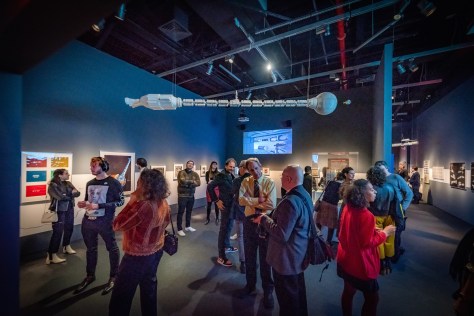
As it approaches its 52nd birthday, “2001: A Space Odyssey” remains one of the most inventive and enduring of all movies. But from the vantage point of 2020, it can be difficult to appreciate the sheer breadth of imagination involved in its making.
Enter “Envisioning 2001: Stanley Kubrick’s Space Odyssey,” a new exhibit at the Museum of the Moving Image in Astoria, Queens, that runs through July 19. The show brings together original correspondence, sketches, storyboards, props, video clips and much more to illustrate how Kubrick, the film’s director, and Arthur C. Clarke, the science fiction author who collaborated with him on the screenplay, set about bringing the future to the screen.


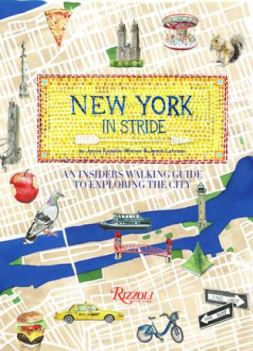 The book features eleven curated neighborhood destination walks–guiding the reader through the energetic New York streets, passing restaurants and coffee shops, historical sights, museums and galleries, parks, and the kind of authentic and timeless sites that one hopes to find when imagining the city. Interwoven throughout are insider guides on how to eat like a New Yorker; explore the city’s most beautiful parks and gardens; navigate transit via ferry, subway, and bike; visit some of NYC’s most iconic TV and film locations.

 “People want to see photography and right now there are not a lot of places to do that,” he says. Showing “the best photography in the world” remains Fotografiska’s core mission, Broman says.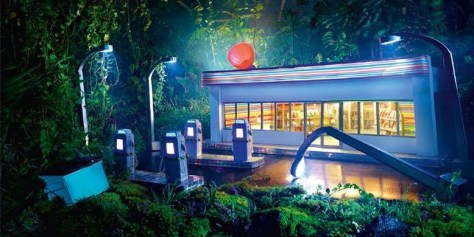
 Intellicurious