

From a Wall Street Journal online article:
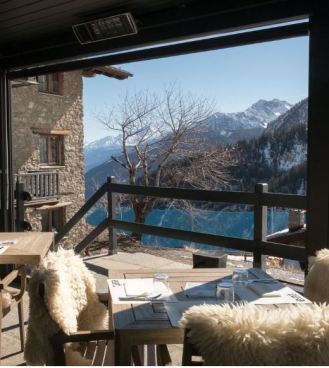
Courmayeur, both a town and a ski resort, boasts nearly as many ambitious, full-service restaurants as it does lifts on the slopes. Even on bright sunny days with powdery trails, the big question tends to be, “What’s for lunch?” The village, nestled in a snug valley on the south slope (the Italian side) of Mont Blanc, Europe’s highest peak, is a typically sleepy mountain town for much of the year with around 3,000 full-time residents. But when the ski season kicks into high gear, its restaurants, bars and cafes all come roaring to life. It’s a favorite winter escape for residents of Italy’s fashion capital, Milan, a straight two-hour shot up the highway.
For the urbane crowds in from the city on winter weekends, Courmayeur is as much an epicurean as snow-sports destination, known for its mountain cheeses, wild game and cured meats, and for its increasingly serious restaurants. Top tables on and off the slopes can book up weeks in advance. The region’s minerally white and earthy red wines come from some of the highest altitude vineyards in Europe. The sparkling Cuvée des Guides is made 7,000 feet above sea level on the slopes of Mont Blanc, with a tasting room atop one of the state-of-the-art Skyway Monte Bianco cable car stations.
To read more: https://www.wsj.com/articles/an-italian-ski-town-where-the-food-rivals-the-views-11574791692
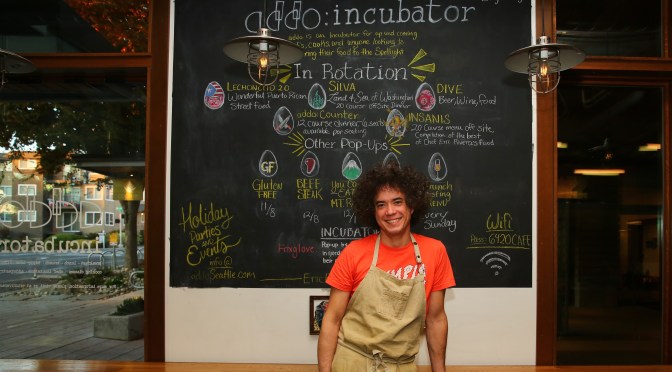
 Every possible step is done online, and for most meals customers must reserve—and often pay—in advance, essentially buying tickets through a service called Tock that’s mostly used only by high-end restaurants. This means no host manning a podium, no reservation or PR teams, no extra staff on a slow night, almost no food waste, and better guest communications. It also allowed them to go from 20 employees to four full-time and three part-time workers.
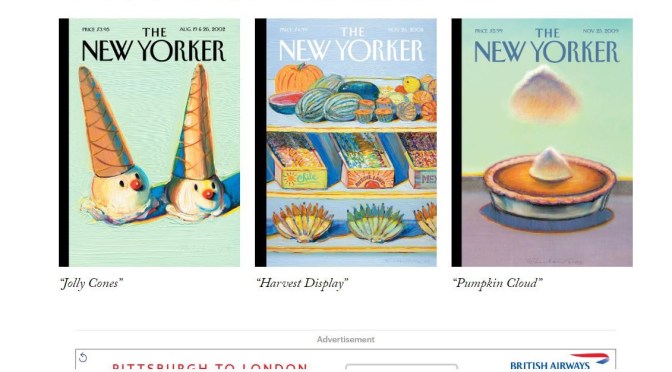
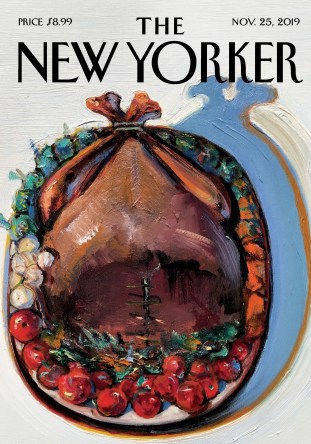 Since all of my paintings—almost every single one except for the figure paintings—are done from memory, I rely specifically on the memory of working in restaurants, or of visiting farms on which I worked as a young person. I try to recall the look and feel and love of what I have experienced.

 Vineyards in Colorado are mostly nestled in the temperate, high elevation river valleys and mesas of Mesa and Delta counties, with some acreage in Montezuma county. Colorado’s grape growing regions range in elevation from 4,000 to 7,000 feet and are thus among the highest vineyards in the world, resulting in hot days accompanied by cool nights.

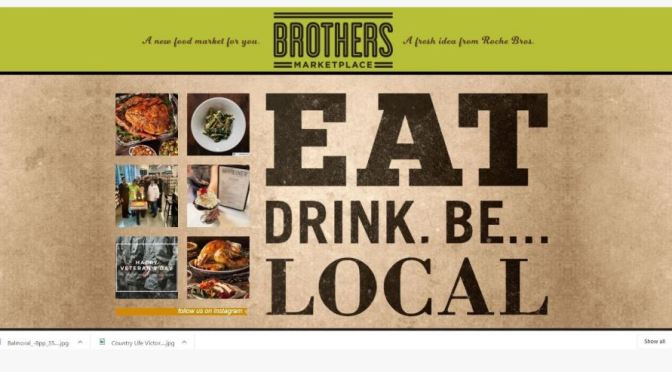
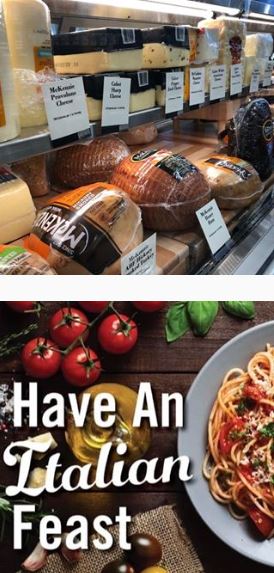 The 12,000-square-foot store is packed with in-store dining options, a scratch bakery, coffee bar and a curated assortment of fresh and local products. An additional 8,000 square feet is dedicated to prep space and a kitchen where employees make prepared foods and from-scratch items using Brothers Marketplace’s own recipes.
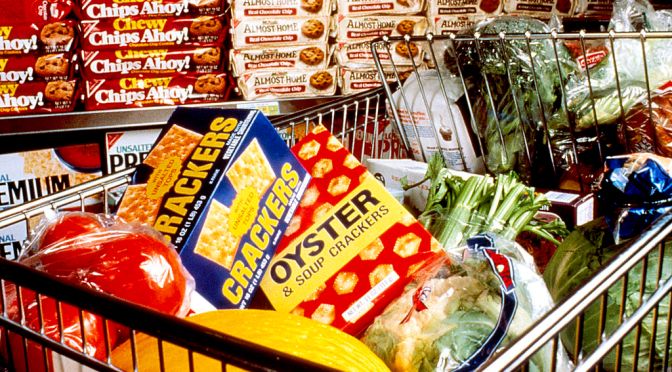
 Notably 6 in 10 adults worldwide (59%) say they prefer to eat many small meals throughout the day, as opposed to a few larger ones, with younger consumers especially leaning into snacks over meals as that number rises to 7 in 10 among Millennials (70%).
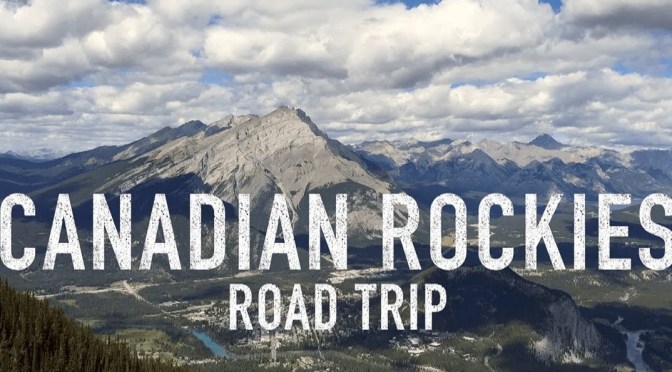
 While the drive from Calgary to Jasper can easily be done in a day, I recommend taking at least a week to travel there and back. That leaves plenty of time to find adventure off the main road, spend some nights in the backcountry, and explore each town along the route.

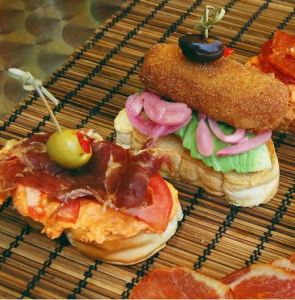 Chief among these delicacies is Cuban lard bread, which is what inspired the opening of Pilar Cuban Bakery: Ricardo Barreras, the owner of Pilar Cuban Eatery, next door, decided to start baking it himself, using dough, shipped frozen, from a trusted supplier in Florida. When he realized that his kitchen wasn’t big enough for the operation, he figured he might as well open a second place.
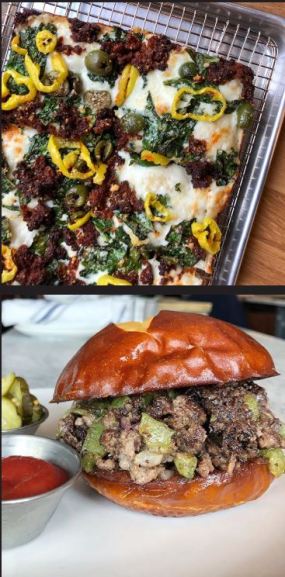 Most pizza places, Detroit-style places, the dough is sitting in a portioned-out container and it gets pressed into the pan. We let it rise in the pan. I knew from the beginning, that’s what’s going to separate our pizza. … It’s built in that we need larger walk-ins to have those extra pans. It’s just part of the plan.
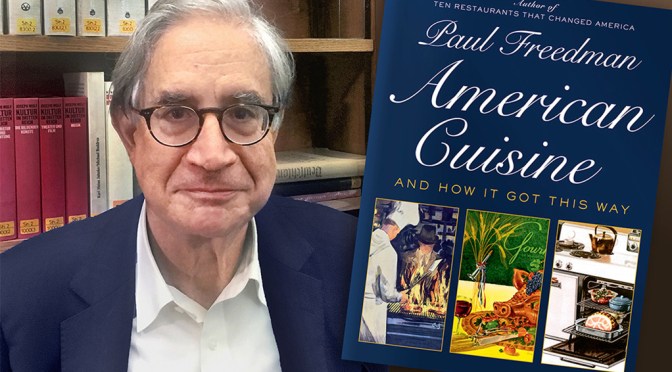
 One way to understand American cuisine is through its regions — and the regional traditions that underlie the history of American cuisine. New England, the South, and New Orleans Creole are the regional cuisines of America. Examples of New England cuisine are “Yankee Pot Roast,” the lobster roll, and clam chowder. Southern favorites include grits, collard greens, okra, fried tomatoes, and sweet potato pie. Louisiana’s signature creole dishes are jambalaya, gumbo, and étouffée.

