

From a Wall Street Journal online article by Lettie Teague:
 Many self-styled “wine educators” online claim to be certified sommeliers, but that doesn’t mean they have worked in a restaurant. Others are winemakers, adjunct professors or simply oenophiles with a pedagogical bent. Whether via video or podcast, the education they offer tends to fall into two categories: basic (grape names, how to hold a glass) or wonky (the role of tannins, grapevine blights).
LEARNING about wine online seems easy enough—not to mention affordable. Yet after exploring all manner of internet wine education, I’m not ready to declare it the ideal forum—at least not yet.
The educational content actual wine professionals produce mostly falls into the latter camp, and podcasts appear to be the preferred format. The decidedly wonky “Guild of Sommeliers Podcast”(guildpodcast.com) features sommeliers such as Geoff Kruth and Kelli White interviewing top talent. In an episode last fall, Mr. Kruth and Virginia Wilcox, winemaker at Vasse Felix in Western Australia, discussed tannins in a surprisingly lively chat. “I think you can make or break a wine by getting the tannins wrong,” Ms. Wilcox said. She enumerated various categories of tannin, including “astringent,” “squeaky,” “toothy,” “tongue” and “green”—the ones that “push to the back of your throat.” I learned a lot and plan to invoke the term “squeaky tannins” very soon.
To read more click on the following link: https://www.wsj.com/articles/are-online-wine-courses-worth-your-time-11568321079
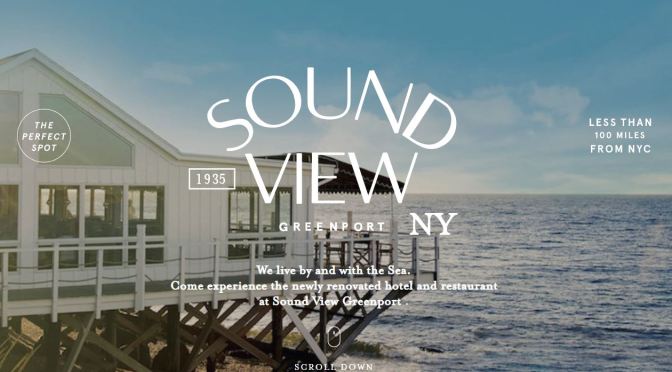
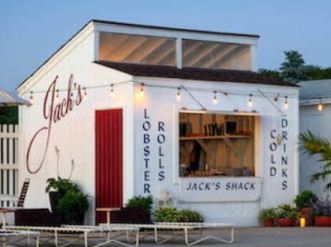
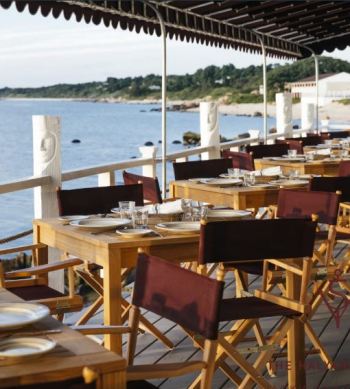 Immediately upon checking into one of the Sound View’s cedar-paneled rooms, all clean white sheets and sailcloth pillows and views straight out onto the beach (ALL of the rooms at the Sound View look straight out onto the beach), I felt my blood pressure slow. For lunch, we jammed lobster rolls the size of our faces into our faces by the pool. Come late afternoon, we sat on our sandswept porch drinking canned rosé and watched the sky turn gold.

 For dinner at
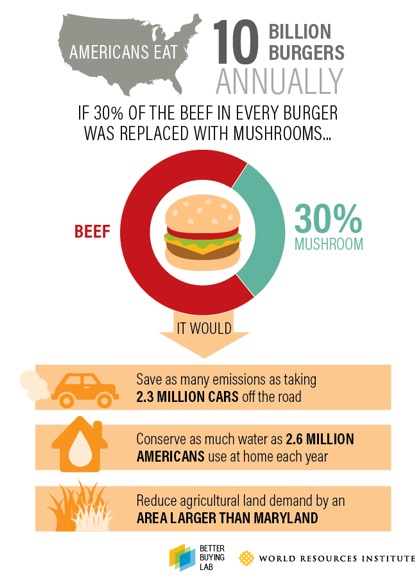
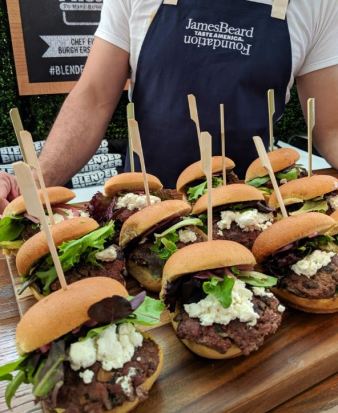 This year, the Foundation is pleased to once again partner with the Mushroom Council to host the Blended Burger Project*, which encourages chefs to create a healthier, more sustainable, and tastier burger that can be enjoyed by consumers across the country, while also educating diners about the many benefits of The Blend and the future of food.
  To read more: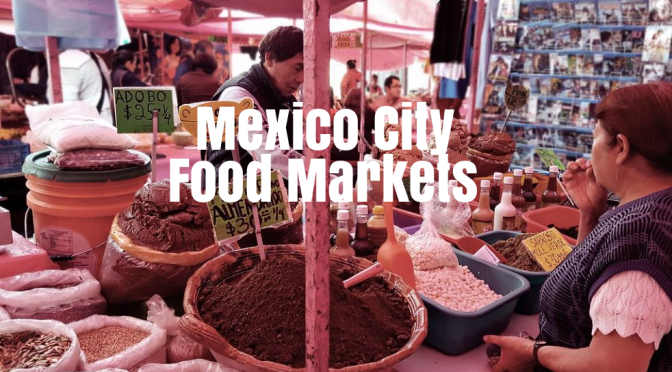
 The city’s great unifier and appeal is its cuisine, especially the street-food: corner quesadillas, fast food tents outside of subway stops, stews served over hand-made tortillas, deep fried chicken tacos, tacos topped with rice served from street stands or a make-shift diner in the back of a van. In Mexico City, one can find great food everywhere at any price-point and at any time of day.

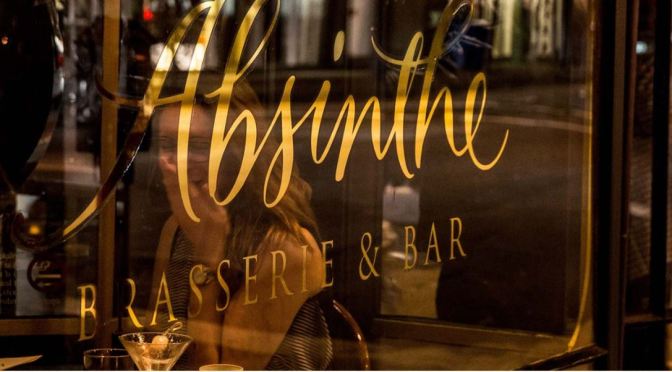
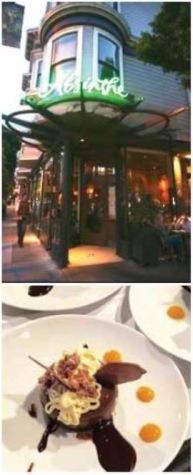 What makes this brasserie so popular? “A culture of hospitality comes from the top down,” explains Absinthe General Manager Brian Gavin. “Bill (our owner) is very gracious and the tone he sets makes everyone feel welcome.”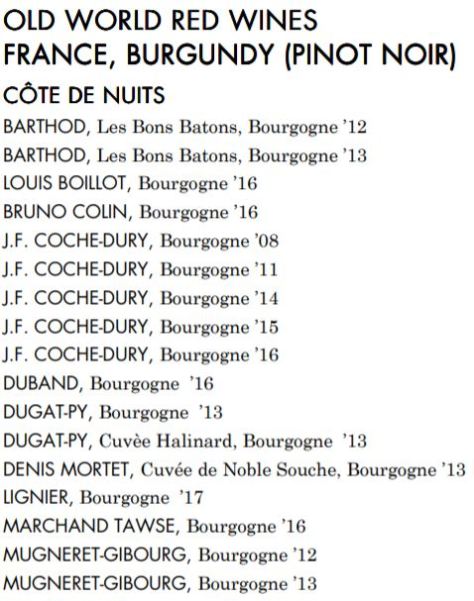
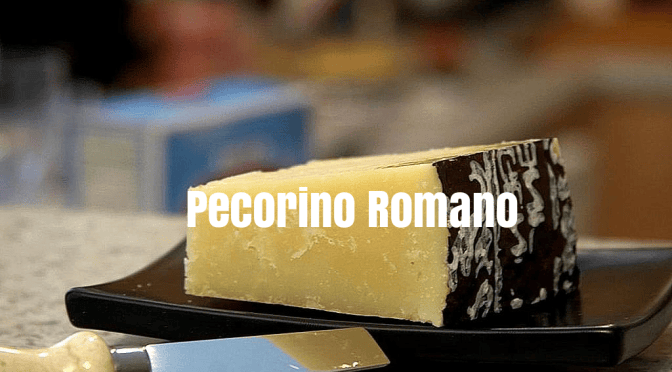
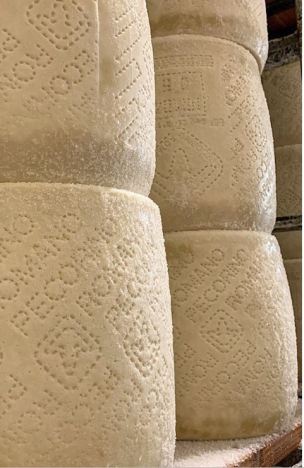 Pecorino Romano today is still made from rich sheep’s milk (pecorino comes from the Italian word for sheep, pecora) and the cheesemaking process closely follows the traditions of the ancient Romans. But most of it is now produced on the island of Sardinia, rather than in the countryside around Rome and Lazio. So why the shift?
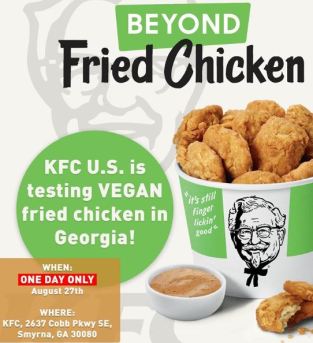 A single KFC franchise — the one near the SunTrust Park baseball stadium in Atlanta — will, starting Tuesday, offer meatless chicken from the plant-based food company Beyond Meat. The deal makes KFC the first fast-food restaurant to serve plant-based chicken.
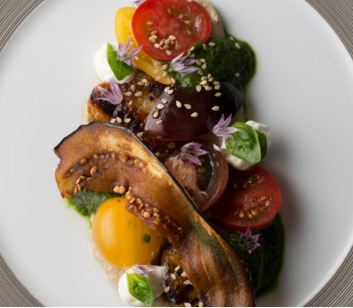 Enjoy the fruits of their labor during dinner at Farmstead, the James Beard Award-winning restaurant, known for its hyper-seasonal dishes like thyme-basted golden beets and hen of the woods mushrooms drizzled with pine syrup.
 Intellicurious