
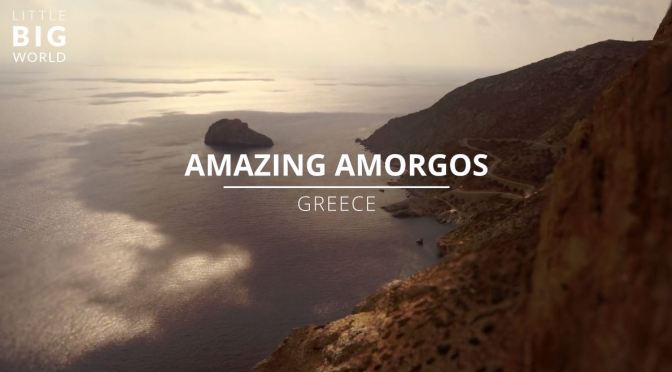
Filmed, Edited and Directed by: Joerg Daiber
I will never understand why so many people go to such an obvious Insta-tourist-trap like Santorini when there are so many amazing alternatives in Greece. Take Amorgos for instance. It’s the easternmost island in Greece’s Cyclades island group. With a land area of just 121 square kilometers, the island has a population of nearly 2000 people. It’s incredibly beautiful and no mass tourism is spoiling the fun so far.
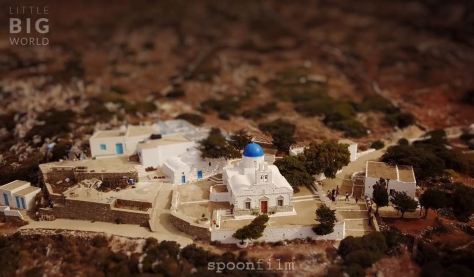
The island was featured in Luc Besson’s film “The Big Blue.” Enjoy this trip around Amorgos and let me know what you think in the comments below. Shot by Joerg Daiber during the Yperia Film Festival in Amorgos.
Website: http://www.spoonfilm.com/
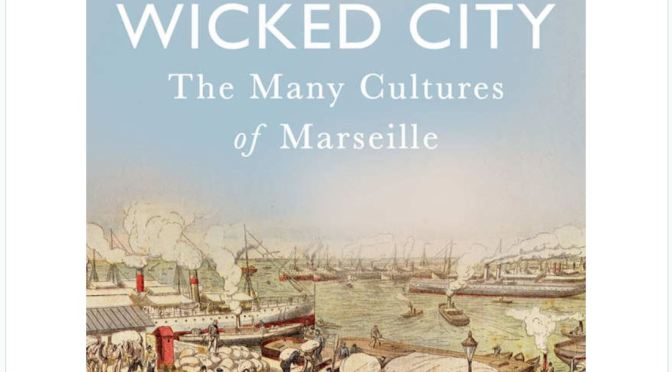
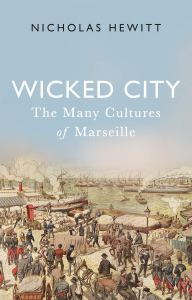 The Toulousain Charles Dantzig wrote, ‘I find the Marseillais tiresome, especially those who, as soon as you speak to them, start to bang on about the uniqueness of being Marseillais, adding with a particular sort of whining machismo that no one likes them and everyone defames them. Their humour is nothing more than pitiable braggadocio.’ Régis Jauffret, who grew up there, is pithier: ‘Marseille is a tragic city. It formed my imagination.’ (It’s an imagination of peerless bleakness.)
 Nicholas Hewitt died in March, less than a month after completing the text of Wicked City. It’s a fine monument to his curiosity, compendious knowledge, resourcefulness and measured enthusiasm. He calls it ‘a series of snapshots’, which is perhaps too modest. If they are snapshots, they have been photoshopped and retouched to accord with his vision of the city and its well-rehearsed mythology of outsiderdom and exceptionalism, edginess and banditry. And his aspiration to explore Marseille’s hold on the ‘nation’s imagination’ is also too modest. The ‘international imagination’ would be more apt.
 Melvyn Bragg and guests discuss the history and social impact of coffee. From its origins in Ethiopia, coffea arabica spread through the Ottoman Empire before reaching Western Europe where, in the 17th century, coffee houses were becoming established.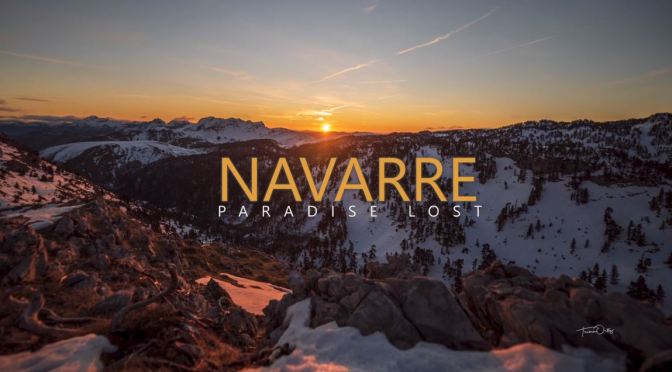

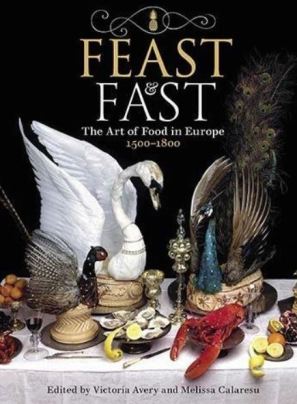 Food defines us as individuals, communities, and nations – we are what we eat and, equally, what we don’t eat. When, where, why, how and with whom we eat are crucial to our identity. Feast and Fast presents novel approaches to understanding the history and culture of food and eating in early modern Europe.
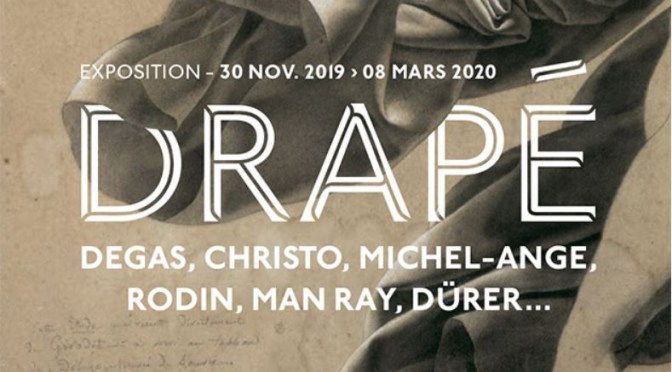
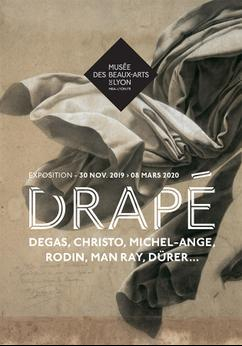 How is a drapery put in place? For what reasons does this motive persist until today? How to explain its power of fascination? These are the questions that this exhibition intends to pose, in order to enter the “factory” of the drapery and to get closer to the artistic gesture. By showing the stages of making a drapery, the visitor will discover the singular practices of artists from the Renaissance to the second half of the 20th century.
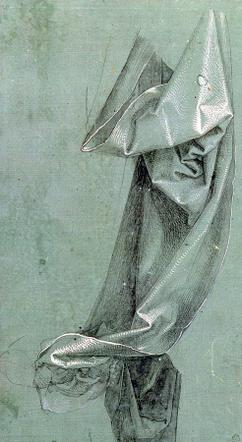 Albrecht Dürer, Drapery Study, 1508, Brush and Indian Ink, heightened white on dark green paper
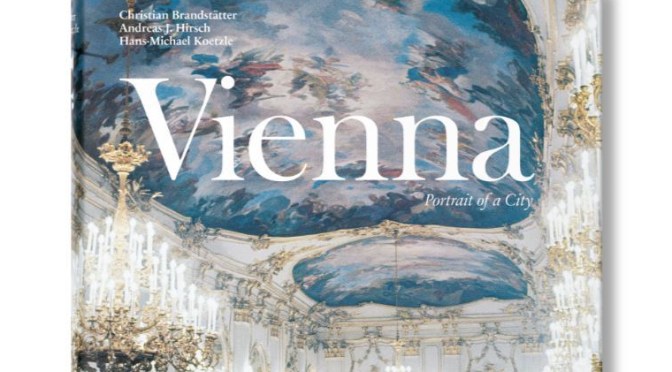
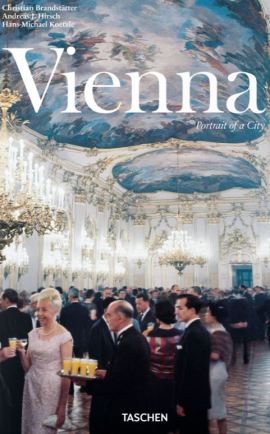 This volume is a treasure trove of photography from the last 175 years, following the evolution of Vienna from imperial capital to modern metropolis. Like a visual walk through time and cityscape, hundreds of carefully curated pictures trace the developments in Vienna’s built environment and the cultural and historical trends they reflect, whether the urban Gesamtkunstwerk of the 19th-century Ringstrasse or the experiments of “Red Vienna” in the 1920s, when the city had a social democrat government for the first time.
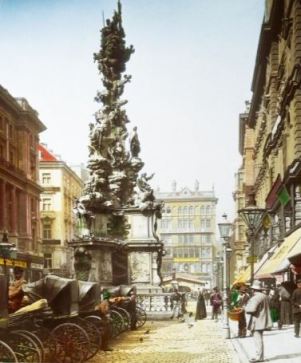 Vienna combines drama and elegance like no other. For centuries the heart of the Austro-Hungarian Empire, the stately city on the Danube, has been defined by vast palaces and imperial grandeur—but behind the Baroque opulence, Vienna is also a place of genteel coffee house culture, epicurean tradition, and a heritage of both delicate and daring music, art, and design, from Johann Strauss to
  Intellicurious