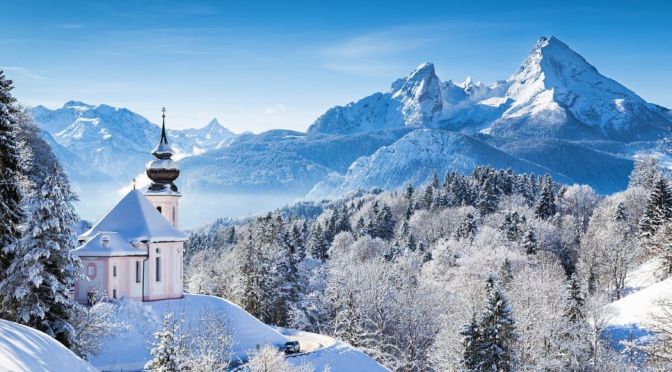
From the cloud-shredding Alps to the fertile Danube plain, the Free State of Bavaria is a place that keeps its clichéd promises.
Bavaria, officially the Free State of Bavaria, is a federal state in the south-east of Germany. With an area of 70,550.19 square kilometres, Bavaria is the largest German state by land area, comprising roughly a fifth of the total land area of Germany.
As the sea level rises on the shores of Copenhagen—likely by at least a foot and a half by the end of the century—the city will become more vulnerable to flooding during storms. So the government is now making plans to take a drastic step as part of its plan for protection: Over the coming decades, it will build an artificial island to hold the rising water back, while doubling as room for new housing.
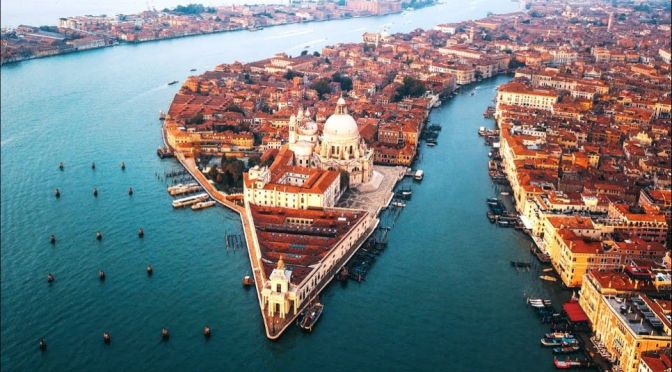
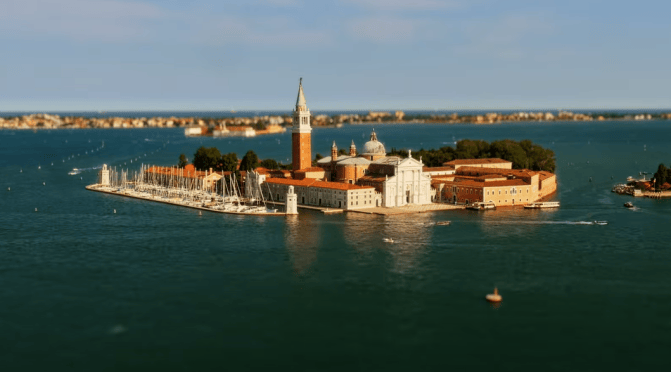
This is a short compliation with some of the best shots from all Little Big World episodes that were released in 2021. Pandemic-wise there are mostly episodes from Europe except for the Los Angeles film, which was shot pre-pandemic.
Chapters 00:00 Ore Mountains, Germany 00:21 Hallstatt, Austria 00:31 Moldova 00:47 Venice, Italy 01:02 Danube Delta Romania 01:10 Romania 01:33 Sofia, Bulgaria 01:45 Los Angeles, USA 01:55 Garmisch-Partenkirchen, Germany
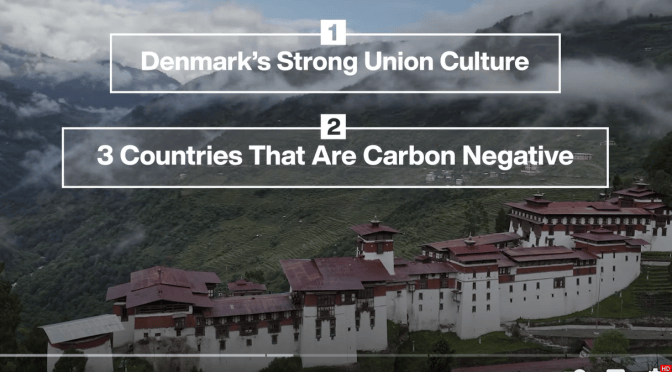
This week we’re highlighting 4 top stories: 3 carbon negative countries, 3D printed homes in Africa, union culture in Denmark and 5 ways that interest rates affect you.
Video timeline: 00:00 – Intro 00:14 – Denmark’s Strong Union Culture 03:29 – 3 Carbon Neutral Countries 04:55 – Africa’s Affordable 3D Printed Homes 06:08 – How Interest Rates Affect You
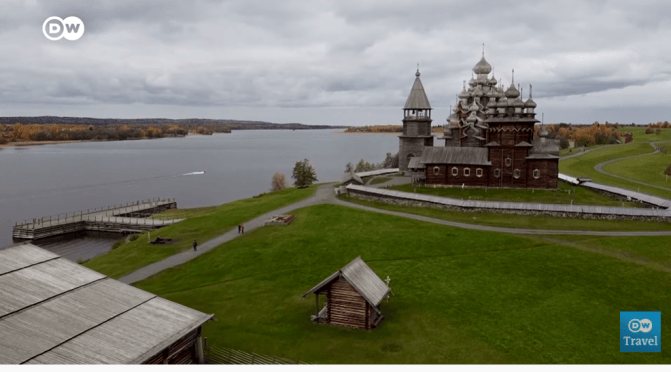
Have you ever heard of Karelia? This remote region lies in the far north of Europe, on Russia’s border with Finland, and is a travel destination for those in the know. Karelia has centuries old traditions and stunning natural landscapes with vast lakes. We visit Lake Onega, Europe’s second largest lake, taste kalitki, a regional dish, go to the Banya, a traditional “black sauna”, and much more.
The Republic of Karelia is a region in northwest Russia, bordering Finland. Beside Lake Onega, capital city Petrozavodsk is home to cultural artifacts at the National Museum. On an island northeast, Kizhi Museum is an open-air complex of traditional wood buildings. Northwest, Kivach Nature Reserve has pine woods and a waterfall. West of Petrozavodsk, blue-domed Valaam Monastery is on an island in massive Lake Ladoga.
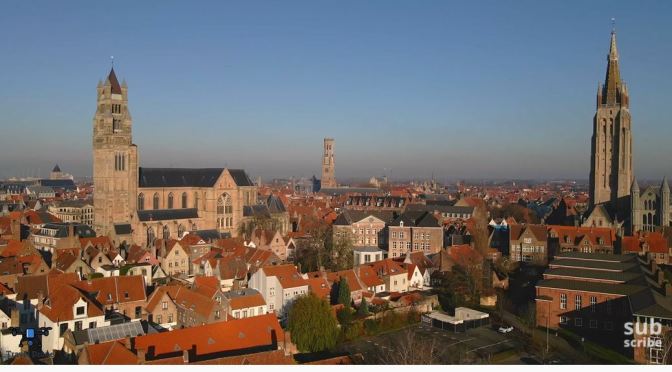
Bruges, the capital of West Flanders in northwest Belgium, is distinguished by its canals, cobbled streets and medieval buildings. Its port, Zeebrugge, is an important center for fishing and European trade. In the city center’s Burg square, the 14th-century Stadhuis (City Hall) has an ornate carved ceiling. Nearby, Markt square features a 13th-century belfry with a 47-bell carillon and 83m tower with panoramic views.
Europe once had an enviable international rail network—one it must revive if the bloc is to meet its climate targets. And the costly and sometimes dangerous lengths South Koreans are going to for flattering photographs.
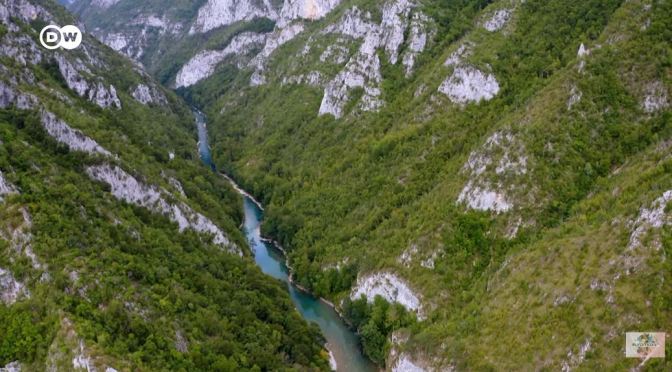
Despite it being known as Europe’s Grand Canyon, most people have not heard of the Tara River Gorge yet. At 1,300 meters depth, it’s the deepest canyon in Europe, and in the same league as its more famous counterpart in the US. The Tara River Gorge is a paradise for rafting fans and nature enthusiasts. Large parts of the canyon are part of the Durmitor National Park in Montenegro, which is a UNESCO World Heritage Site. Euromaxx reporter Hendrik Welling sets out to explore the Tara River Gorge on the water, the peaks, and dangling in the air on a zip line. It’s not only exciting, there are also some stunning views to catch!
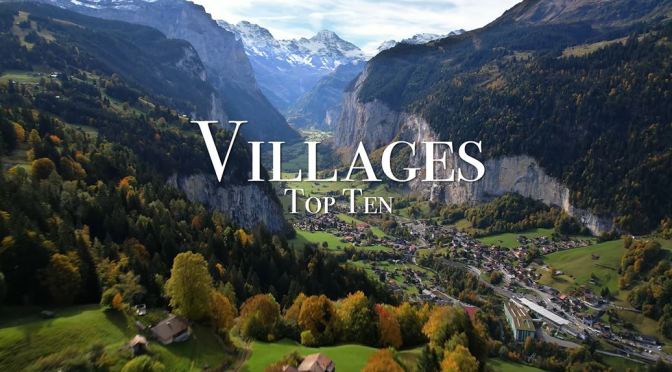
Europe’s villages are some of the most magical places in the world! Enjoy this 4K travel guide across Europe’s most scenic villages. From lakeside wonders of Varenna, to the views of Wengen, there’s just something special about villages that you can experience in other places like cities.
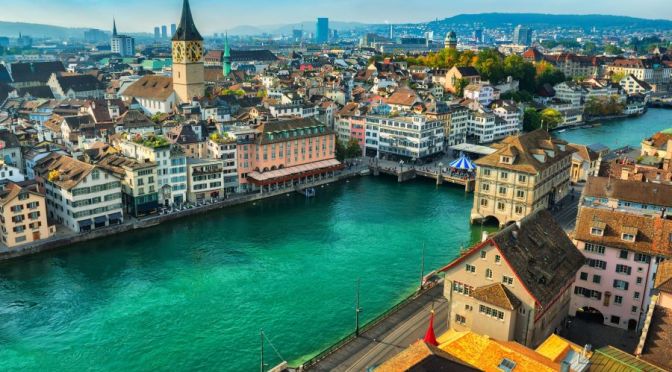
The city of Zurich, a global center for banking and finance, lies at the north end of Lake Zurich in northern Switzerland. The picturesque lanes of the central Altstadt (Old Town), on either side of the Limmat River, reflect its pre-medieval history. Waterfront promenades like the Limmatquai follow the river toward the 17th-century Rathaus (town hall).
News, Views and Reviews For The Intellectually Curious