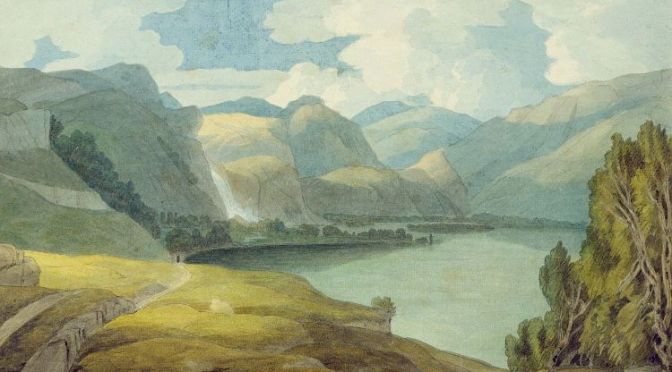
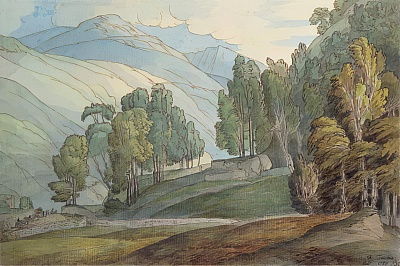
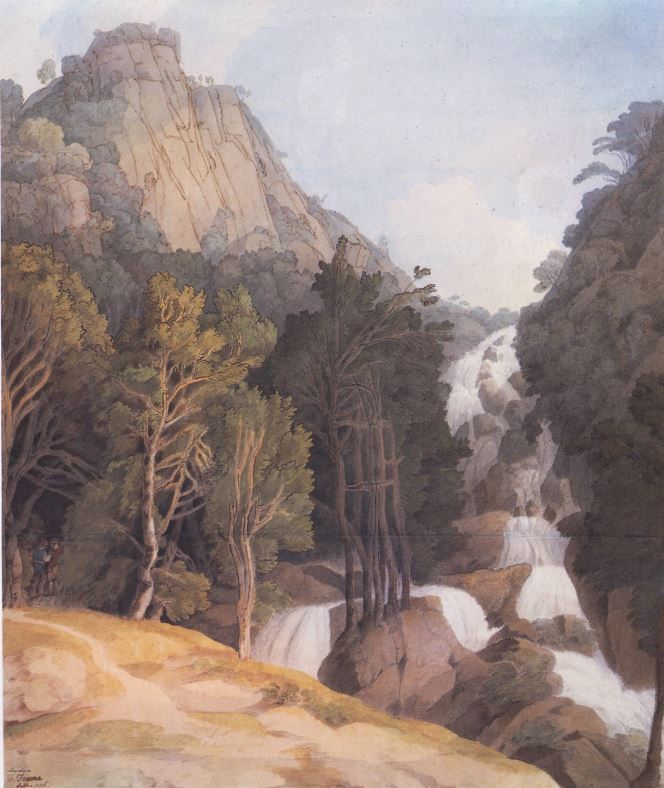
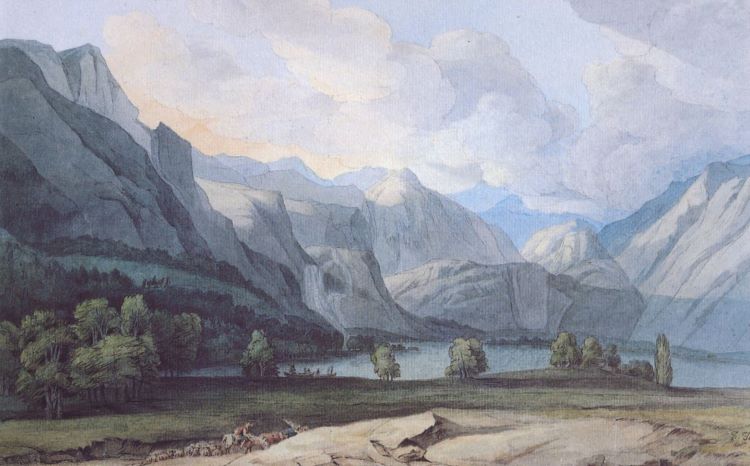
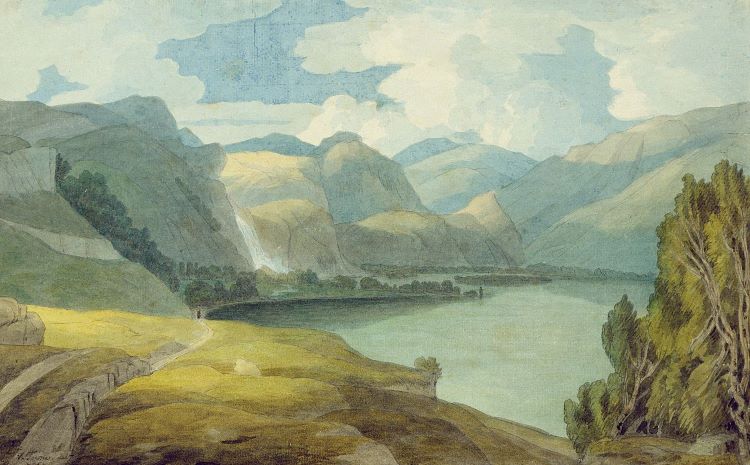
NEWSTATESMAN (August 26, 2020) – Towne (1739-1816) was born on the fringes of London and apprenticed to a coach painter, a skill that demanded the type of precise brushwork that was to become evident in all his later work. He went on to study at William Hogarth’s St Martin’s Lane Academy, Britain’s foremost school of art prior to the establishment of the Royal Academy in 1768. By a quirk of geography, the greatest British landscapist and fellow chronicler of the Lake District, JMW Turner, would be born just 100 yards away in 1775.
In 1780 he made a lengthy drawing trip to the Continent but it wasn’t until 1786 that he visited the Lake District. He proved indefatigable, making 100 drawings and watercolours over the course of two weeks: he often put brief details on the back of his work (“½ past 7 O clock/The sky a Clear warm light/mountains a solemn purple tint/the Lake reflecting the sky, the/Sun in the picture”) and so we know that on 17 August alone, for example, he made seven drawings.
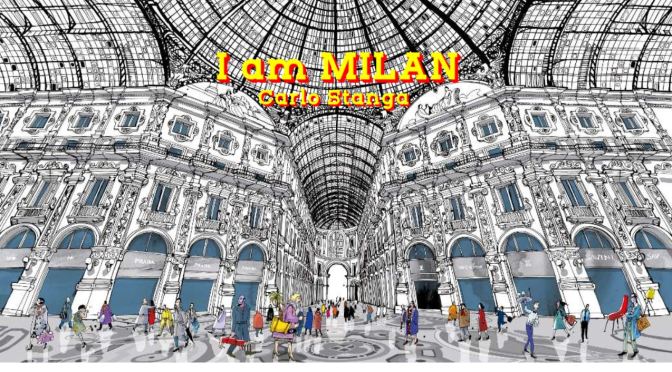
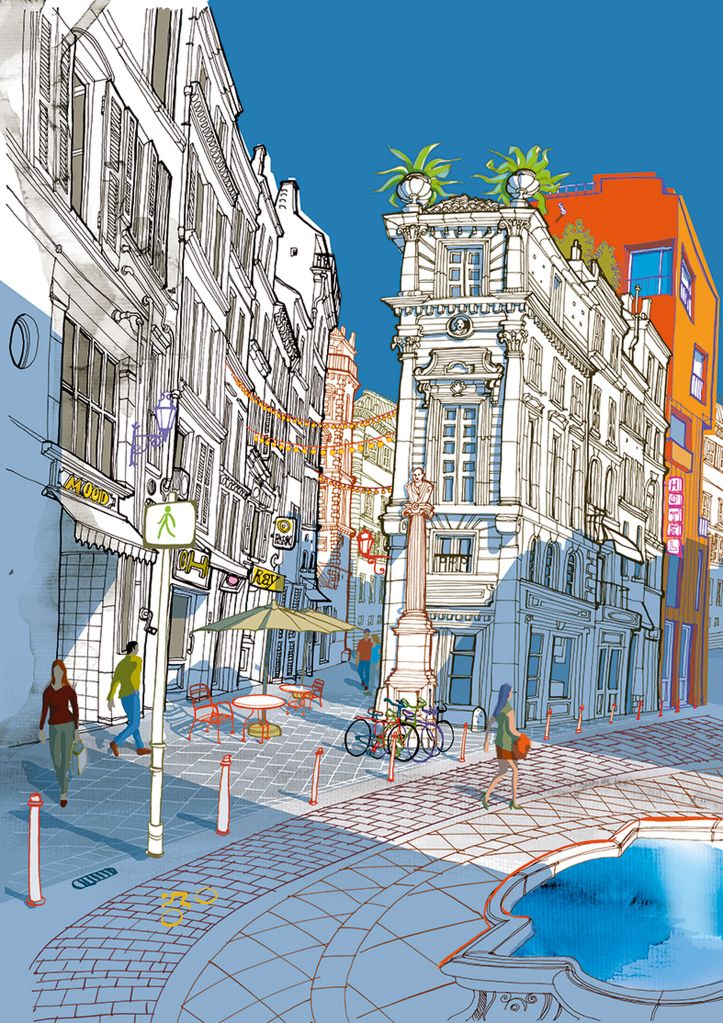
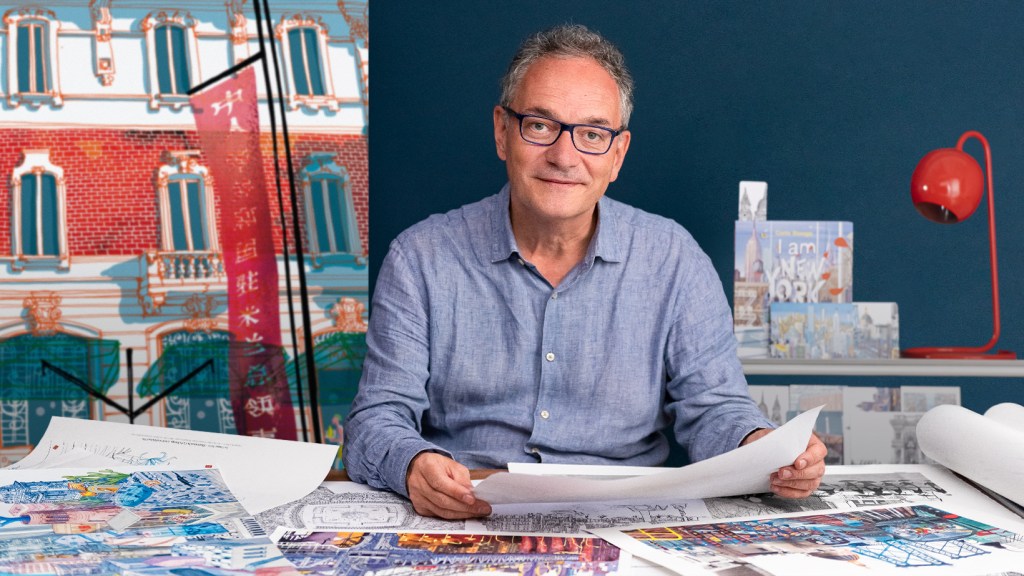
Born in Italy, Carlo has been always deeply passionate about drawing.
After graduating in Architecture at the Polytechnic of Milan, he chose to further his education attending art and design studies. He collaborated with the premier italian designer Bruno Munari, an amazing experience that influenced his way to see the world.
As an editorial and advertising illustrator, Carlo works with major italian magazines and newspapers and with international clients in Europe and in the U.S.
His distinctive style continually wins Italian Illustration awards and the work has been selected by The American Illustration Annual and won the Gold Medal Award in Creative Quarterly’s #15 contest and Awards of Excellence from Communication Arts.
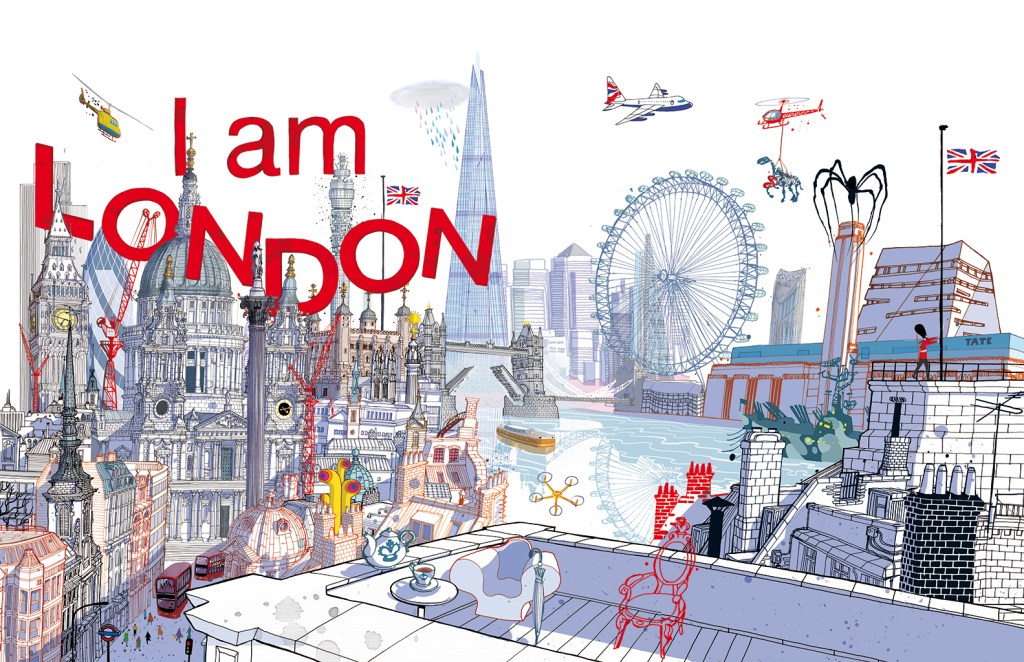
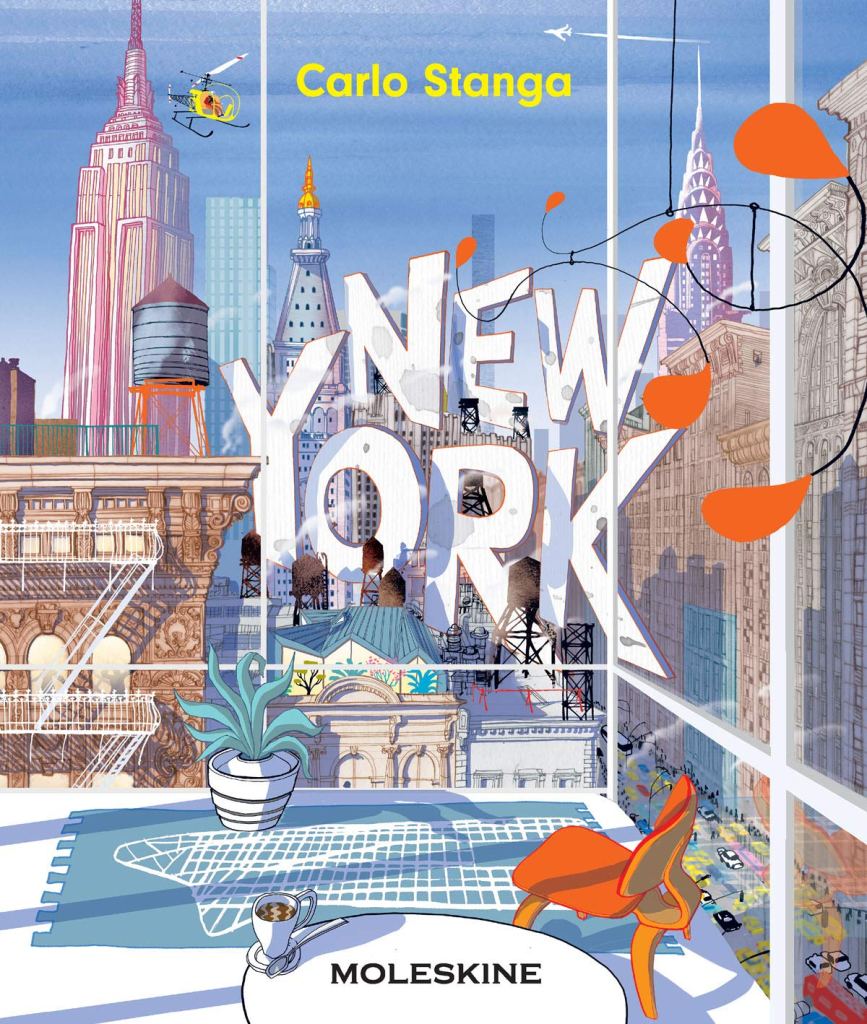
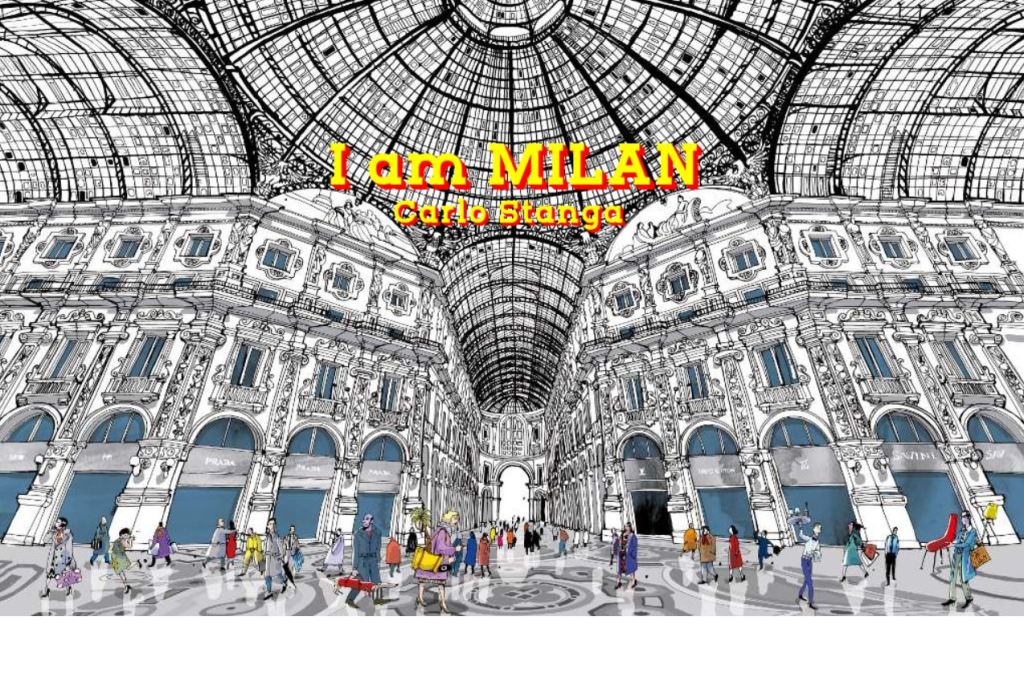
In 2015 he wrote and illustrated I am Milan, followed by I am London and I am New York the first title of a new book collection, published by Moleskine, dedicated to the main cities of the world.
Join us – if you dare – as we follow the acclaimed Argentinian artist Tomás Saraceno into his installations of intricate spider webs inhabited by solitary, social and semi-social spiders, bridging the architectures of each other’s webs.
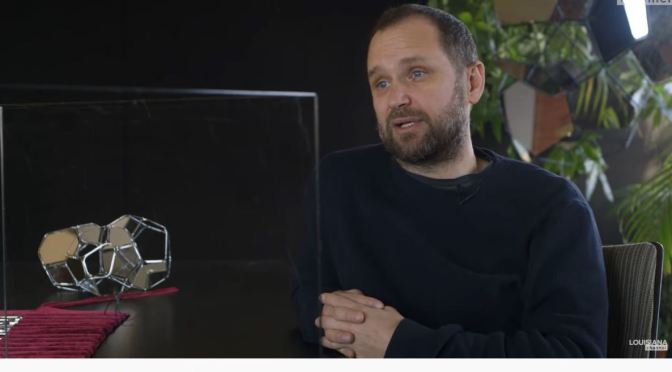
In the video, Saraceno talks about how spiders mirror human beings and help us understand ourselves and the way we live. “Every day, I try to enter territories, or thoughts, or ways of working, which might challenge ourselves and might challenge how we see the world.”
Observing a spider in its web for more than twenty minutes, Saraceno argues, can completely change your life and way of noticing things, revealing an unseen world. In connection to this, he feels that art and science – as well as other forms of knowledge – combined, can help us “form new alliances between disciplines and lose our comfort zone of operating and seeing and perceiving and being in the world. To try to find new ways to work and to be.”
Tomás Saraceno (b. 1973) is an Argentinian artist. Saraceno is particularly known for his large-scale, interactive installations and floating sculptures, as well as his interdisciplinary approach to art. With his practice, he explores new sustainable ways of inhabiting the environment.
His work has been exhibited at prominent venues all over the world, including the 58th La Biennale di Venezia in Venice, Palais de Tokyo in Paris, and Museo de Arte Moderno in Buenos Aires. Saraceno’s work is also part of international collection such as Bauhaus Museum in Weimar, Walker Art Center in Minneapolis, and SFMoMA in San Francisco.
In 2015, he launched the Aerocene Foundation – an open-source community project for artistic and scientific exploration of environmental issues. Relating to arachnology research, Saraceno is the first person to have scanned, reconstructed and re-imagined spiders’ woven spatial habitats.
For more see: https://studiotomassaraceno.org/about/ Tomás Saraceno was interviewed by Helle Fagralid at his studio in Berlin in November 2019. Camera: Rasmus Quistgaard Edited by Klaus Elmer Produced by Helle Fagralid Cover photo: Tomás Saraceno. ‘Social… Quasi Social… Solitary… Spiders… On Hybrid Cosmic Webs’, 2013. Installation view. Detail. Courtesy of the artist and Esther Schipper Gallery, Berlin Copyright: Louisiana Channel, Louisiana Museum of Modern Art, 2020
In the field of painting, Sophia Morrison explores composition and design in inks, watercolour, acrylics and mixed media. Her experimental approach allows for elements of surprise and discovery. Each of her paintings is an adventure and any subject may become part of the process.
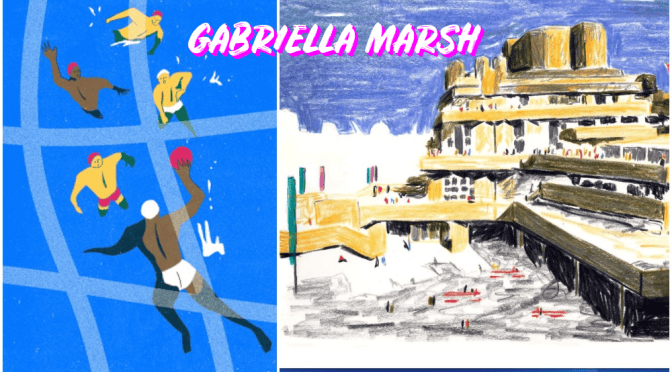
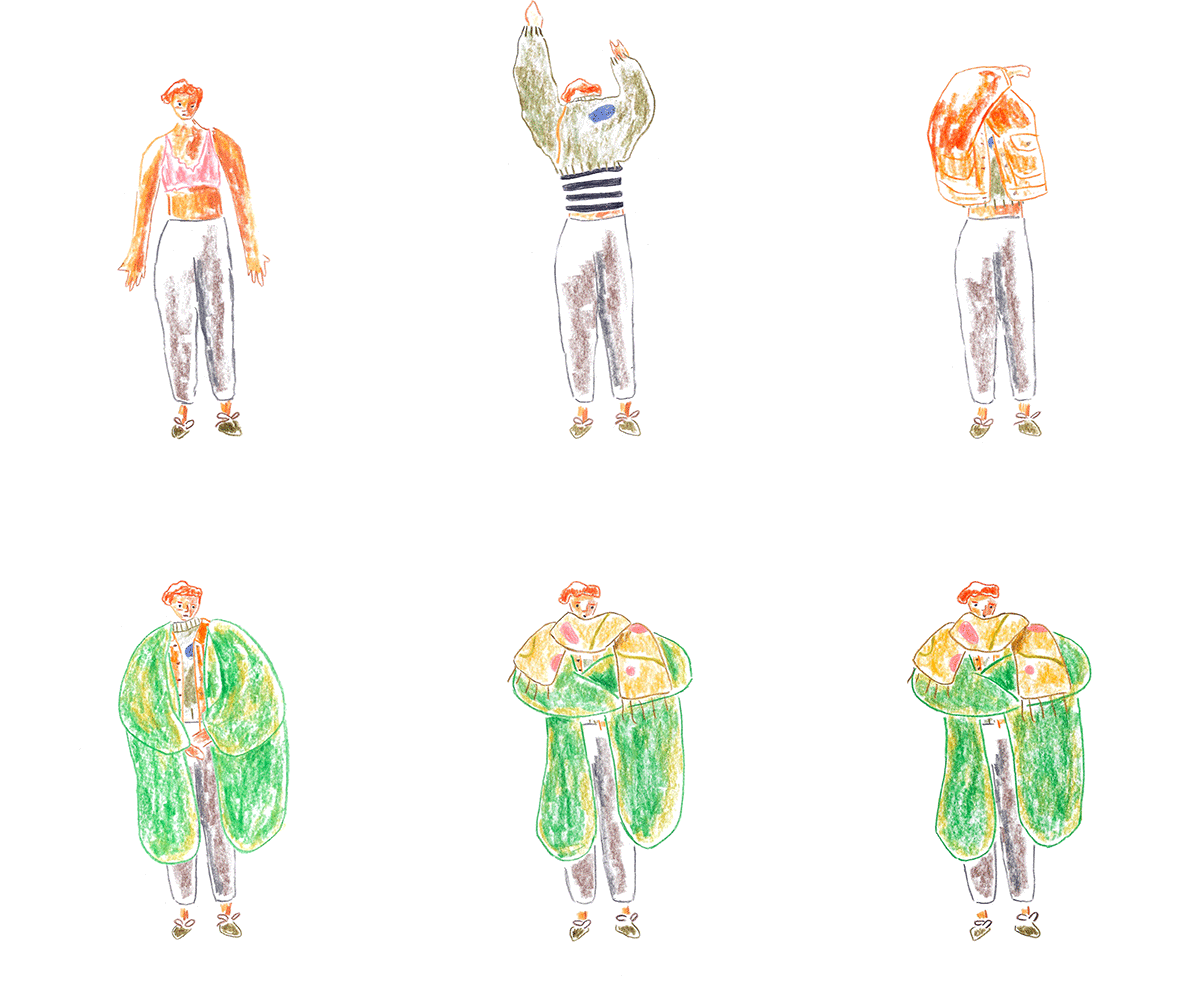
Gabriella Marsh is a freelance designer, illustrator and animator based in London. She loves drawing, painting and all things hand rendered so all work begins on paper before being set on the computer, tidied up and make to move. She is currently at the Royal College of Art doing an MA in experimental animation.
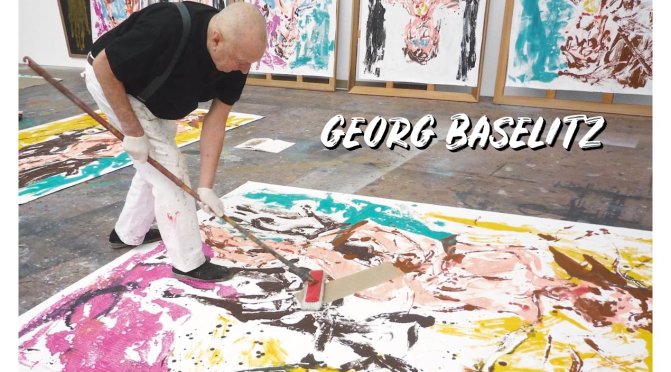
Richard Calvocoressi narrates a tour of an exhibition of new paintings by Georg Baselitz in San Francisco, describing the visual effect of these luminous compositions and explaining their relationship to earlier works by the artist: http://on.gagosian.com/4lzd0i9
Georg Baselitz (born 23 January 1938) is a German painter, sculptor and graphic artist. In the 1960s he became well known for his figurative, expressive paintings. In 1969 he began painting his subjects upside down in an effort to overcome the representational, content-driven character of his earlier work and stress the artifice of painting. Drawing from myriad influences, including art of Soviet era illustration art, the Mannerist period and African sculptures, he developed his own, distinct artistic language.
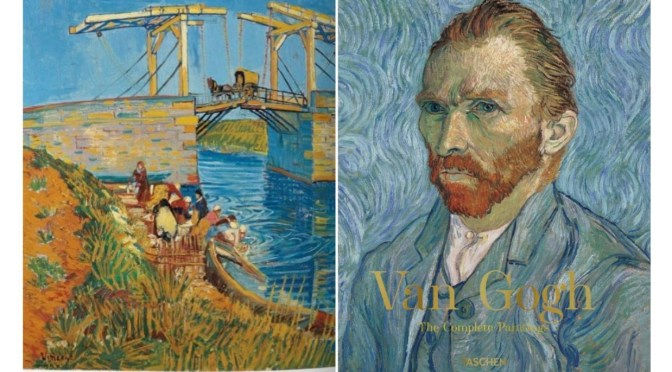
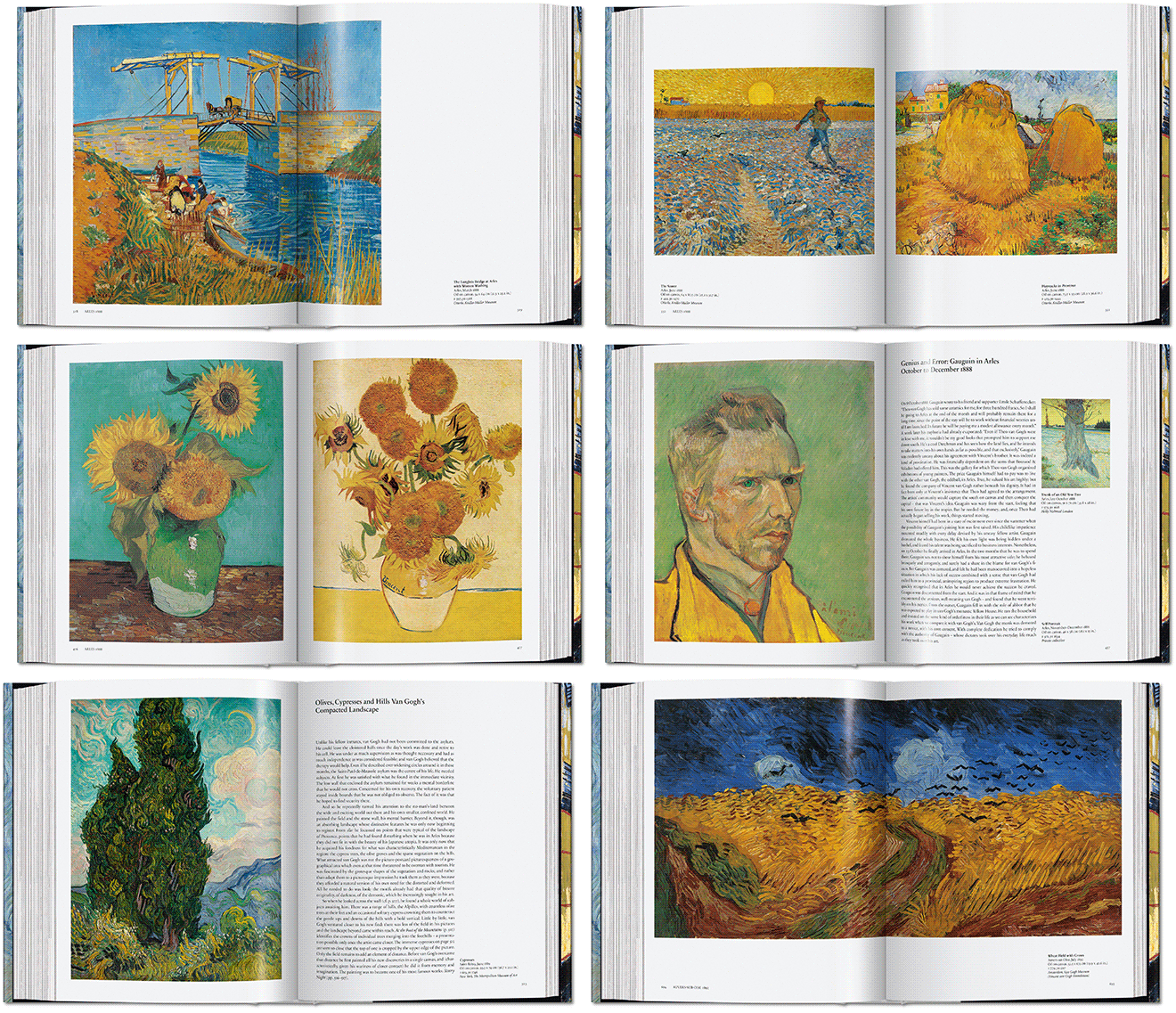
This comprehensive study of Vincent van Gogh offers a complete catalogue of his 871 paintings, alongside writings and essays, charting the life and work of a master who continues to tower over art to this day.
Today, the works of Vincent van Gogh(1853–1890) are among the most well known and celebrated in the world. In paintings such as Sunflowers, The Starry Night, and Self-Portrait with Bandaged Ear, we recognize an artist uniquely dexterous in the representation of texture and mood, light and place.
Yet in his lifetime, van Gogh battled not only the disinterest of his contemporary audience but also devastating bouts of mental illness. His episodes of depression and anxiety would eventually claim his life, when, in 1890, he committed suicide shortly after his 37th birthday.
The authors
Ingo F. Walther (1940–2007) was born in Berlin and studied medieval studies, literature, and art history in Frankfurt am Main and Munich. He published numerous books on the art of the Middle Ages and of the 19th and 20th centuries. Walther’s many titles for TASCHEN include Vincent van Gogh, Pablo Picasso, Art of the 20th Century, and Codices illustres.
Rainer Metzger studied art history, history, and German literature in Munich and Augsburg. In 1994, he earned his Ph.D. on the subject of Dan Graham, and subsequently worked as a fine arts journalist for the Viennese newspaper Der Standard. He has written numerous books on art, including volumes on van Gogh and Chagall. Since 2004, he has worked as Professor of art history at the Academy of Fine Arts in Karlsruhe.
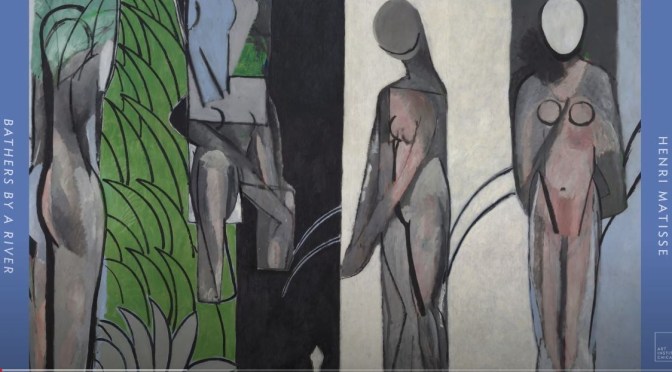
On this episode of Art Institute Essentials Tour, take a closer look at Bathers by a River, started by Henri Matisse in 1909 and completed in 1917. Henri Matisse originally painted this work as a pastoral scene, but over the next decade he transformed it into the cubist-inflected composition seen today. When the painting was acquired by the Art Institute in 1953, Matisse told the museum’s director that he viewed the painting as one of his five most pivotal works.
Henri Émile Benoît Matisse (1869 -1954) was a French artist, known for both his use of colour and his fluid and original draughtsmanship. He was a draughtsman, printmaker, and sculptor, but is known primarily as a painter.
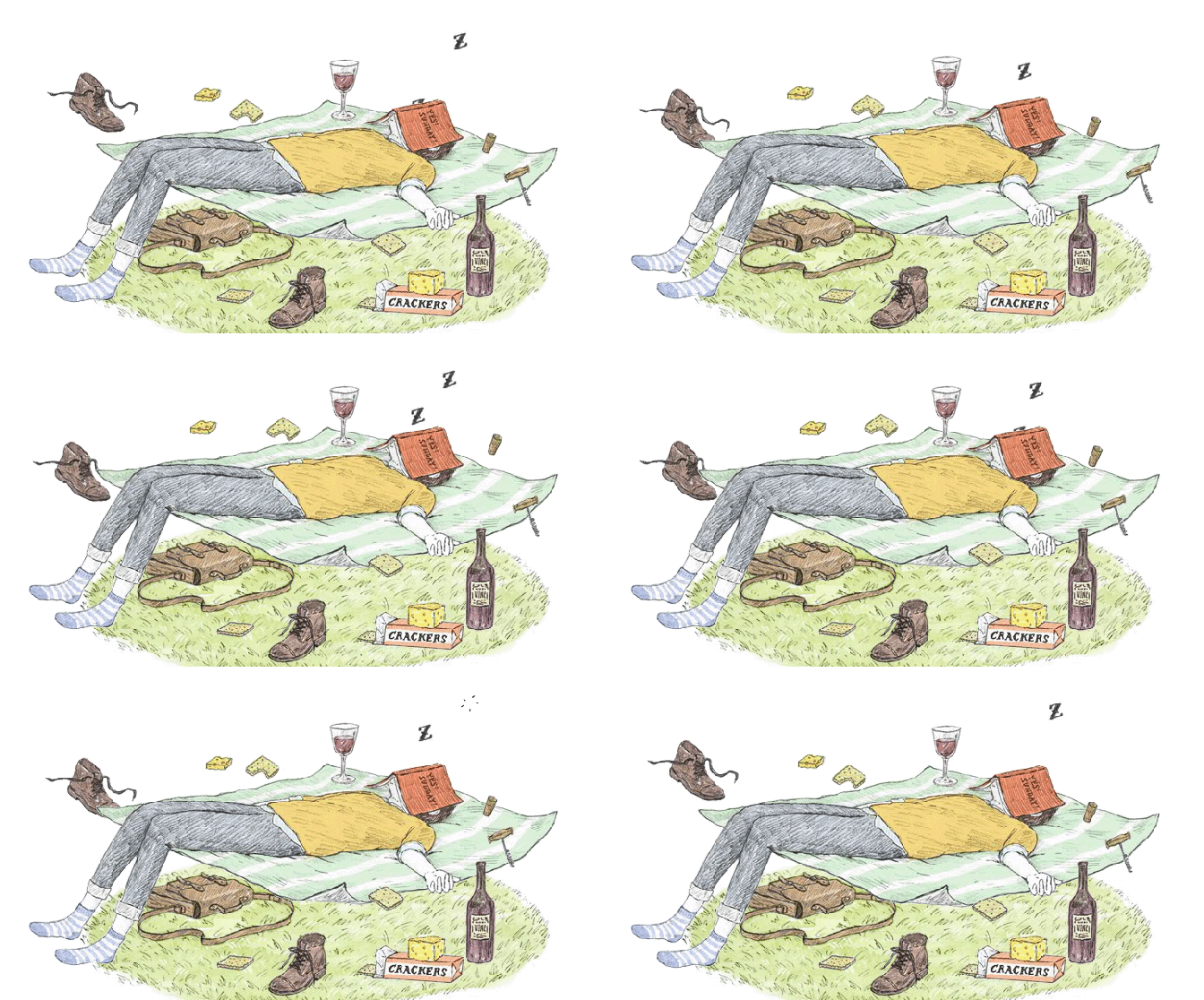
Japanese artist Maori Sakai creates humorous drawings with pen on paper, that are often animated. Each gif is rendered largely in pastels and captures simple movements: a record spinning on a turntable, rain falling outside a window, and butterflies hovering around hydrangeas. Many of Sakai’s short animations, in addition to glimpses into her process, can be found on Instagram and Tumblr.
Antonio Giacomin was born in Serra Gaúcha, where, in 1980, he started in the universe of painting. It was to improve in the United States, Mexico and Europe. In 2007, he launched the book “Poesias em Aquarela”, an inventory of thematic images resulting from trips undertaken in various regions of Rio Grande do Sul.
This slideshow requires JavaScript.
In 2012, in partnership with the writer Nivaldo Pereira, he launched the book “Jeitos de Ser Brasil” , in which aspects of Brazilian culture were recorded. In 2014, in partnership with Marcos Fernando Kirst, he launched the work “Serra Gaúcha: O Passado Presente”. He won the contest to choose the design of the Queen’s crown at the 2014 Grape Festival. He lives and works in Caxias do Sul, where he maintains his studio.


 Japanese artist


 was born in Serra Gaúcha, where, in 1980, he started in the universe of painting. It was to improve in the United States, Mexico and Europe. In 2007, he launched the book “Poesias em Aquarela”, an inventory of thematic images resulting from trips undertaken in various regions of Rio Grande do Sul.
 Intellicurious