Thanks to a parliamentary contortion called reconciliation, the $1.9trn covid-relief plan is likely to sail through—we examine what is in it and what its passage portends for lawmaking in the Biden era.
Unrest is unusual in Senegal, but citizens are out in force; we ask about the roots of the protest mood. And what ever happened to bespoke ringtones?
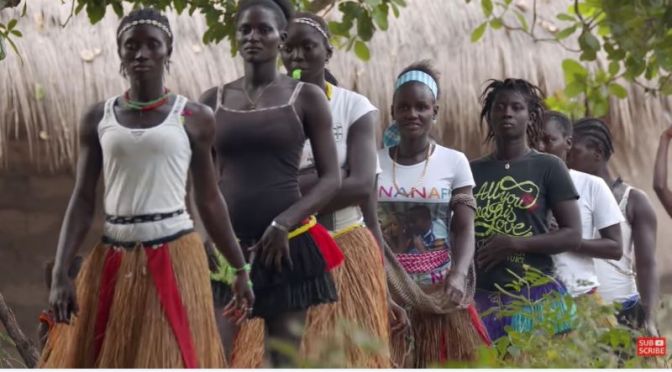
A matriarchy rules on one of the Bijagos Islands off the coast of Guinea-Bissau. The tribe of the same name lives on Orango, one of the most populated islands in the archipelago. Women dominate public and private life there. This documentary focuses on the women of the Bijagos tribe of Guinea-Bissau. Unlike many women in traditional and modern societies elsewhere, they pick their husbands, propose marriage and own their homes.
In addition to being responsible for raising children, they also act as high-priestesses in animist ceremonies, organize work, guard the keys to the rice stores, lead their families and ensure there are descendants to continue the line. The Bijagos revere women, who are believed to be in charge of the balance between the worlds of the living and the dead. A matriarchy of this kind is unusual, not only for Africa but around the world. Even though this culture has persisted for centuries, aspects of Western lifestyles are starting to gain a foothold. Rising rates of school attendance could contribute to the demise of the community’s traditions. Future generations will determine whether the Bijagos can retain their culture.
Guinea-Bissau is a tropical country on West Africa’s Atlantic coast that’s known for national parks and wildlife. The forested, sparsely populated Bijagós archipelago is a protected biosphere reserve. Its main island, Bubaque, forms part of the Orango Islands National Park, a habitat for saltwater hippos. On the mainland, the capital, Bissau, is a port with Portuguese colonial buildings in its old city center.
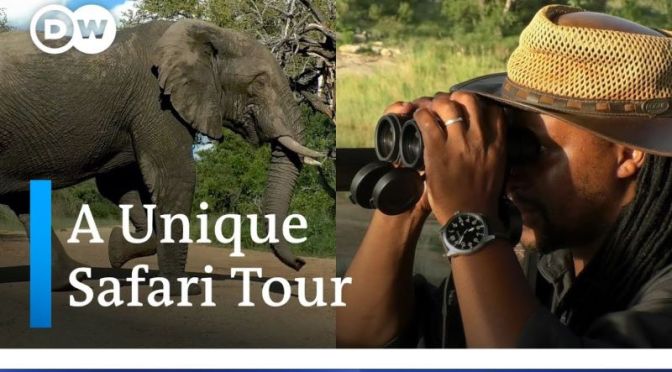
Where the lion sleeps tonight: Join head ranger Bonga Njajaula on safari in South Africa’s Kruger National Park. On account of the coronavirus pandemic, life in the reserve is pretty quiet. There are only a few vehicles still moving about, and lions can be spotted sleeping on the roads. Let’s take a look! Video: Adrian Kriesch.
Kruger National Park, in northeastern South Africa, is one of Africa’s largest game reserves. Its high density of wild animals includes the Big 5: lions, leopards, rhinos, elephants and buffalos. Hundreds of other mammals make their home here, as do diverse bird species such as vultures, eagles and storks. Mountains, bush plains and tropical forests are all part of the landscape.
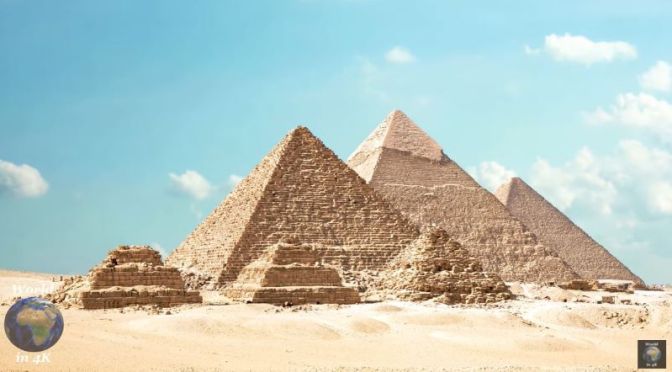
Ancient Egypt was a civilization of ancient North Africa, concentrated along the lower reaches of the Nile River, situated in the place that is now the country Egypt.
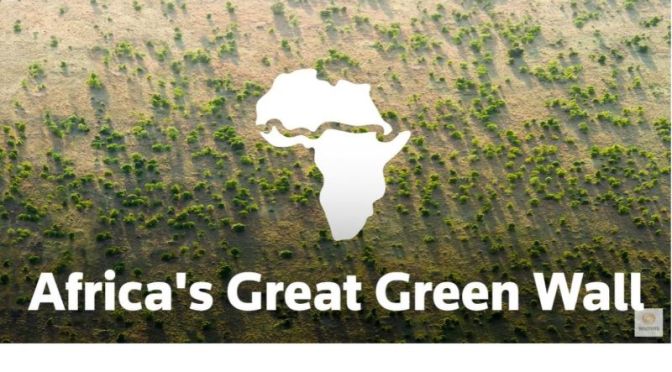
Science journalist Rachel Cernansky joins host Sarah Crespi to talk about progress on Africa’s Great Green Wall project and the important difference between planting and growing a tree.
Sarah also talks with Václav Kuna, a postdoctoral researcher at the Institute of Geophysics of the Czech Academy of Sciences, about using loud and long songs from fin whales to image structures under the ocean floor.
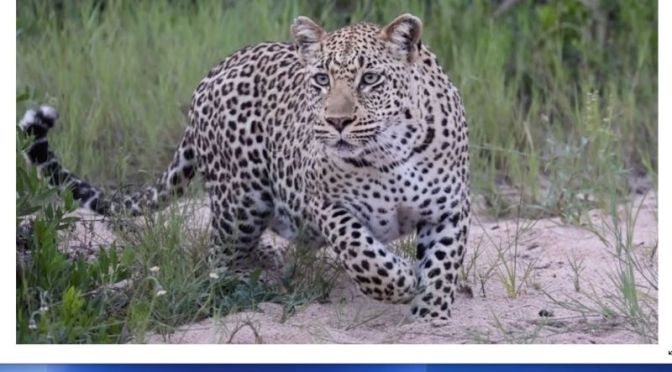
The Island female hunt and kill an impala. We also spend time with the Marthly pride, a herd of elephants and two fighting Natal Spurfowls. … From MalaMala Game Reserve to wherever you are in the world, we’ll bring you moments from our daily safaris in one of Africa’s most iconic private game reserves.
Mala Mala is a game reserve located within the Sabi Sand Game Reserve, Mpumalanga province, South Africa. It is the largest and the oldest private big five game reserve in South Africa, It covers around 130 km² or 15 000 hectares of land
Development banks and states pledged a total of $14.32 billion over the next four years to build a “Great Green Wall” to help contain desertification in Africa’s northern Sahel region. But what exactly is it and how much progress has been made?
The Great Green Wall or Great Green Wall of the Sahara and the Sahel is Africa’s flagship initiative to combat the increasing desertification. Led by the African Union, the initiative aims to transform the lives of millions of people by creating a mosaic of green and productive landscapes across North Africa.
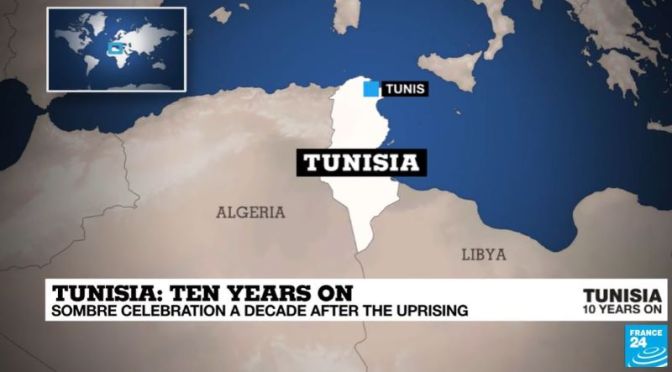
#Tunisia on Thursday commemorates the 10th #anniversary since the flight into exile of iron-fisted President Zine El Abidine Ben Ali, pushed from power in a popular revolt that foreshadowed strife and civil war in the region, known as the #ArabSpring. FRANCE 24’s Chris Moore tells us more.
Tunisia, officially the Republic of Tunisia, is a country in the Maghreb region of North Africa, covering 163,610 square kilometres. Its northernmost point, Cape Angela, is also the northernmost point on the African continent.
News, Views and Reviews For The Intellectually Curious



 Intellicurious