From a New England Journal of Medicine online study release:
The findings from our approach suggest with high predictive accuracy that by 2030 nearly 1 in 2 adults will have obesity (48.9%; 95% confidence interval [CI], 47.7 to 50.1), and the prevalence will be higher than 50% in 29 states and not below 35% in any state.

Nearly 1 in 4 adults is projected to have severe obesity by 2030 (24.2%; 95% CI, 22.9 to 25.5), and the prevalence will be higher than 25% in 25 states. We predict that, nationally, severe obesity is likely to become the most common BMI category among women (27.6%; 95% CI, 26.1 to 29.2), non-Hispanic black adults (31.7%; 95% CI, 29.9 to 33.4), and low-income adults (31.7%; 95% CI, 30.2 to 33.2).
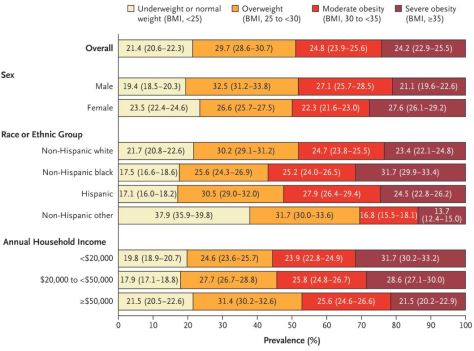
Although severe obesity was once a rare condition, our findings suggest that it will soon be the most common BMI category in the patient populations of many health care providers. Given that health professionals are often poorly prepared to treat obesity,27 this impending burden of severe obesity and associated medical complications has implications for medical practice and education.
In addition to the profound health effects, such as increased rates of chronic disease and negative consequences on life expectancy,25,28 the effect of weight stigma29 may have far-reaching implications for socioeconomic disparities as severe obesity becomes the most common BMI category among low-income adults in nearly every state.
To read more: https://www.nejm.org/doi/full/10.1056/NEJMsa1909301?query=featured_home


 More schools are building or planning senior-living facilities on or near campus to cater to baby boomers who view college as a stimulating alternative to bingo at an archetypal retirement home. Some savor the pursuit of academic and cultural interests. Others are lured by the promise of interaction with younger students, for whom many hope to act as mentors.

 During this decade, as in previous decades, Caltech scientists and engineers reinvented the landscape of scientific endeavor: from the first detection of gravitational waves and the discovery of evidence for a ninth planet in the solar system; to bold missions to explore and understand the solar system; to the development of new methods to see inside the body and the brain and understand the universe around us; to the invention of devices to improve human health, some taking inspiration from nature; to the initiation of a transformative new effort to support research into the most pressing challenges in environmental sustainability.
 Though the brain orchestrates how we experience the world, many questions remain about its complex workings. During the past 10 years, Caltech scientists have discovered how the brain recognizes
  As modern technology advances, so do the possibilities for treating medical conditions that were previously considered untreatable. Caltech researchers used an electrode array to help a paralyzed patient


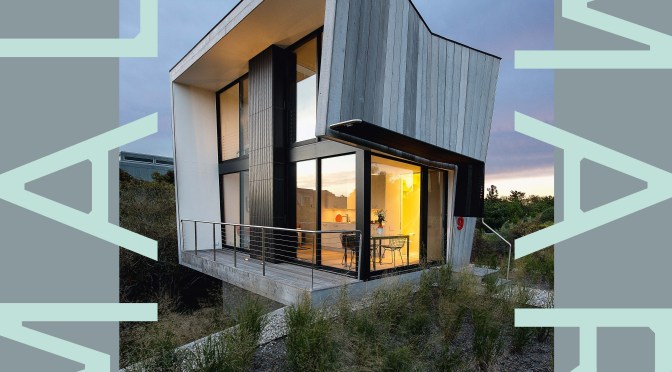
 This volume presents a large variety of sophisticated solutions for mini houses in terms of architectural style, construction method and interior design. Whether portable or prefabricated, newly built or reused, rural or urban, they all meet the highest technological and sustainable standards to literally reduce their owners’ ecological footprint.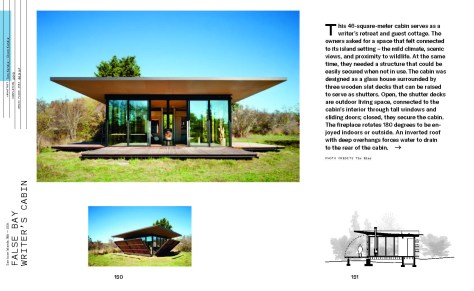

 The ASA 1000 GT originated in a late 1950s experimental project by Ferrari engineers to create a less expensive, compact alternative to existing Ferrari