Category Archives: Wildlife

Preview: ‘Frozen Planet II’ With David Attenborough

Global superstar Camila Cabello and legendary composer Hans Zimmer have teamed up on their new track ‘Take Me Back Home’ for the first look at #FrozenPlanet2. And yes, Sir David Attenborough will be back!

Singer-songwriter Camila Cabello and Oscar-winning composer Hans Zimmer have joined forces to write a new song for “Frozen Planet II.” The new track will be featured in the debut extended trailer for the highly-anticipated David Attenborough-narrated series.

A sequel to the 2011 series, “Frozen Planet II” is a six-episode journey through Earth’s icy regions including the North and South poles, produced by BBC Studios’ Natural History Unit. The collaboration on “Take Me Back Home” marks the first time a new song has been written to support a BBC One natural history show.
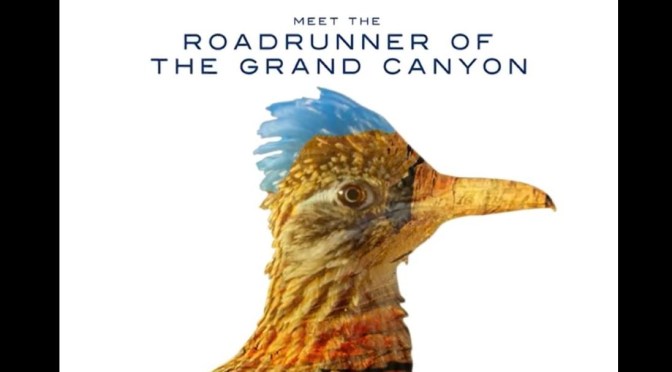
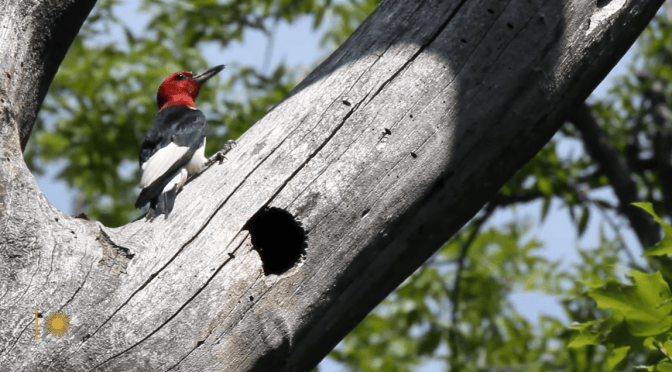
Views: The Roadrunner Of The Grand Canyon

The Roadrunner of the Grand Canyon. America The Beautiful.

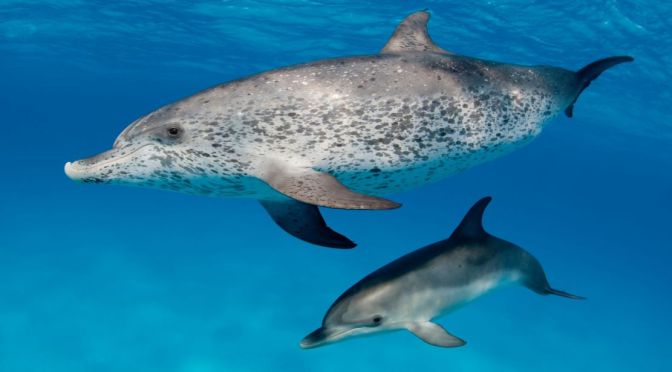
Nature Views: Spotted Dolphins In The Bahamas

“Sunday Morning” takes us among some spotted dolphins in the blue waters off the Bahamas. Videographer: Mauricio Handler.

Atlantic spotted dolphins are found in warm temperate and tropical waters of the Atlantic Ocean. They usually form groups of five to 50 individuals but sometimes travel in groups of up to 200. They are fast swimmers and often “surf” in the waves created by vessels.

Young Atlantic spotted dolphins do not have spots. As a result, they can look like slender bottlenose dolphins. Their distinctive spotted pattern starts to appear all over their bodies as they get older.

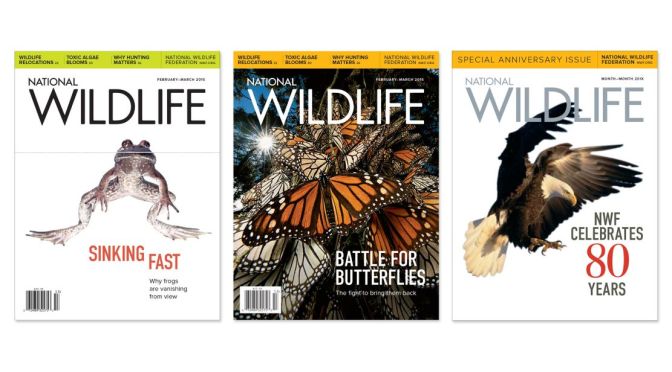
Cover: National Wildlife Magazine – Aug/Sep 2022

Surrounded by golden light, a mule deer stands in grasslands.

National Wildlife Magazine – August/September 2022

Burning Up

Heat, drought and wildfires are ravaging western wildlife while conservationists try to help ecosystems adapt

By Brianna Randall – Conservation, Aug 02, 2022

Dead mussels lie along the Pacific shore of Vancouver, British Columbia, during 2021’s summer heat wave. Scientists estimate that the record-breaking heat killed more than 1 billion marine animals off the coasts of British Columbia and Washington state.
(Photo by Christopher Harley/University of British Columbia)

GASPING SALMON WITH INFECTED LESIONS. Emaciated deer searching sagebrush flats for water. Clams and mussels boiled to death in their shells. Last summer, temperatures in the Northwest soared to record highs in the triple digits, killing more than 1 billion marine animals in the Salish Sea and stressing wildlife from the Pacific to the Rocky Mountains. Simultaneously, ongoing drought in the Southwest—which began in 2000 and is the region’s driest 22-year period in 1,200 years—is causing plants to wither, springs to dry up and wildfires to engulf entire landscapes.

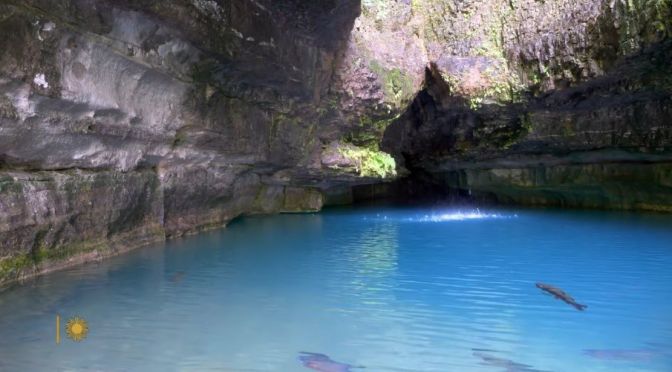
Missouri Views: Rainbow Trout At Roaring River

“Sunday Morning” takes us swimming with rainbow trout at Missouri’s Roaring River State Park. Videographer: Scot Miller.

Located in the southwest Ozark hills, Roaring River State Park is one of three state parks stocked with rainbow trout. Eager anglers flock to the park year-round to try and catch their lunker trout.

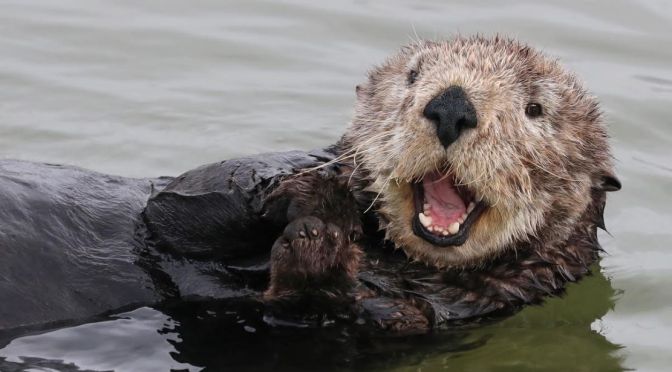
Wildlife Views: Sea Otters Feeding In Seaweed Beds

The charismatic otter, a member of the weasel family, is found on every continent except Australia and Antarctica. Most are small, with short ears and noses, elongated bodies, long tails, and soft, dense fur.

There are 13 species in total, ranging from the small-clawed otter to the giant otter. Though most live in freshwater rivers, lakes, and wetlands, the sea otter and the smaller marine otter are found in the Pacific Ocean.

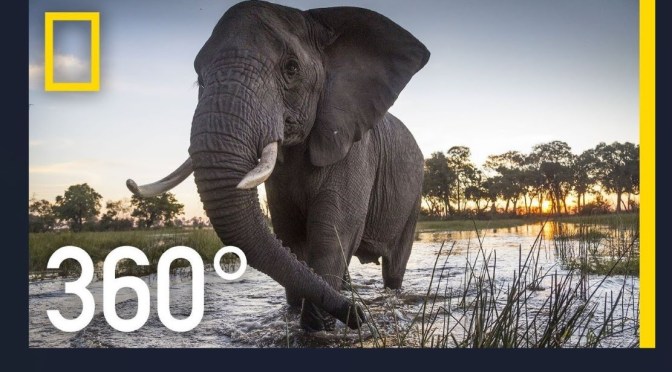
360° Africa: Okavango Delta In Botswana (5K)

Glide through the waterways of Botswana’s Okavango Delta and come face to face with its wildlife in this immersive 360 experience. Through Okavango Eternal, work is underway to help protect the source waters of this one-of-a-kind region, and support tourism that benefits local communities.

The Okavango Delta is a vast inland river delta in northern Botswana. It’s known for its sprawling grassy plains, which flood seasonally, becoming a lush animal habitat. The Moremi Game Reserve occupies the east and central areas of the region. Here, dugout canoes are used to navigate past hippos, elephants and crocodiles. On dry land, wildlife includes lions, leopards, giraffes and rhinos.