 On this week’s show, senior correspondent Jeffrey Mervis joins host Sarah Crespi to discuss a new National Institutes of Health (NIH) grant program that aims to encourage diversity at the level of university faculty with the long-range goal of increasing the diversity of NIH grant recipients.
Sarah also talks with Pierre Gagnepain, a cognitive neuroscientist at INSERM, the French biomedical research agency, about the role of memory suppression in post-traumatic stress disorder. Could people that are better at suppressing memories be more resilient to the aftermath of trauma?

 Hear the latest from the world of science, brought to you by Nick Howe and Shamini Bundell. This week, uncovering the structure of materials with useful properties, and quantum entanglement over long distances.
 On this week’s show, Staff Writer Jennifer Couzin-Frankel joins host Sarah Crespi to talk about
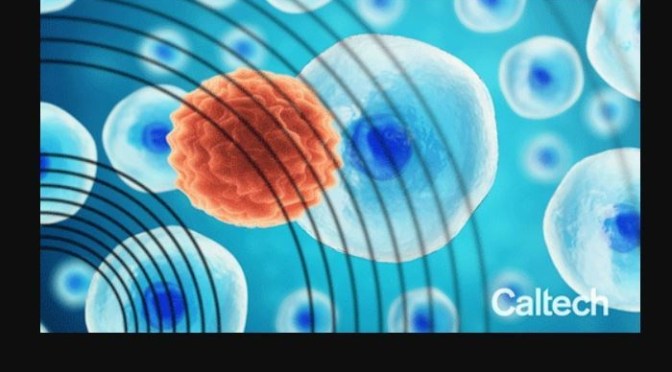
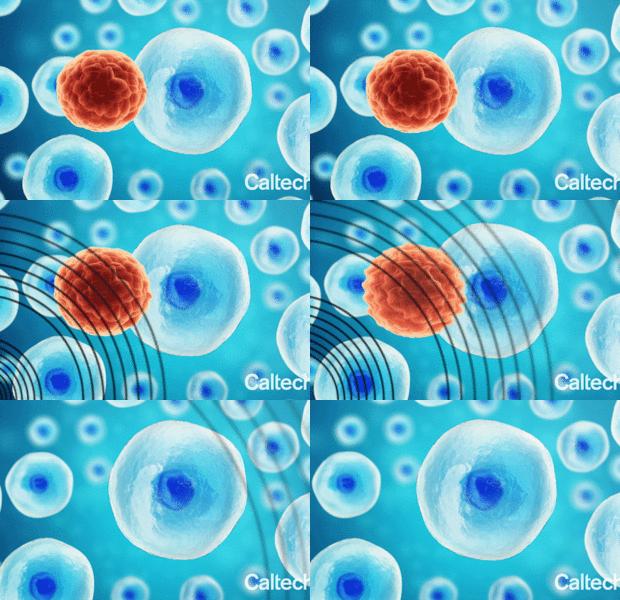 The hope, Lee says, is that ultrasound will kill cancer cells in a specific way that will also engage the immune system and arouse it to attack any cancer cells remaining after the treatment.
 Ultrasound waves—sound waves with frequencies higher than humans can hear—have been used as a cancer treatment before, albeit in a broad-brush approach: high-intensity bursts of ultrasound can heat up tissue, killing cancer and normal cells in a target area. Now, scientists and engineers are exploring the use of low-intensity pulsed ultrasound (LIPUS) in an effort to create a more selective treatment.
 Hear the latest from the world of science, brought to you by Benjamin Thompson and Nick Howe. This week, how setting an out-of-office email could help promote a kinder academic culture.
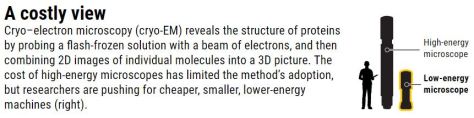
 Structural biologists rejoiced when cryo–electron microscopy, a technique to generate highly detailed models of biomolecules, emerged. But years after its release, researchers still face long queues to access these machines. Science’s European News Editor Eric Hand walks host Meagan Cantwell through the journey of a group of researchers