
From a TheConversation.com online article:
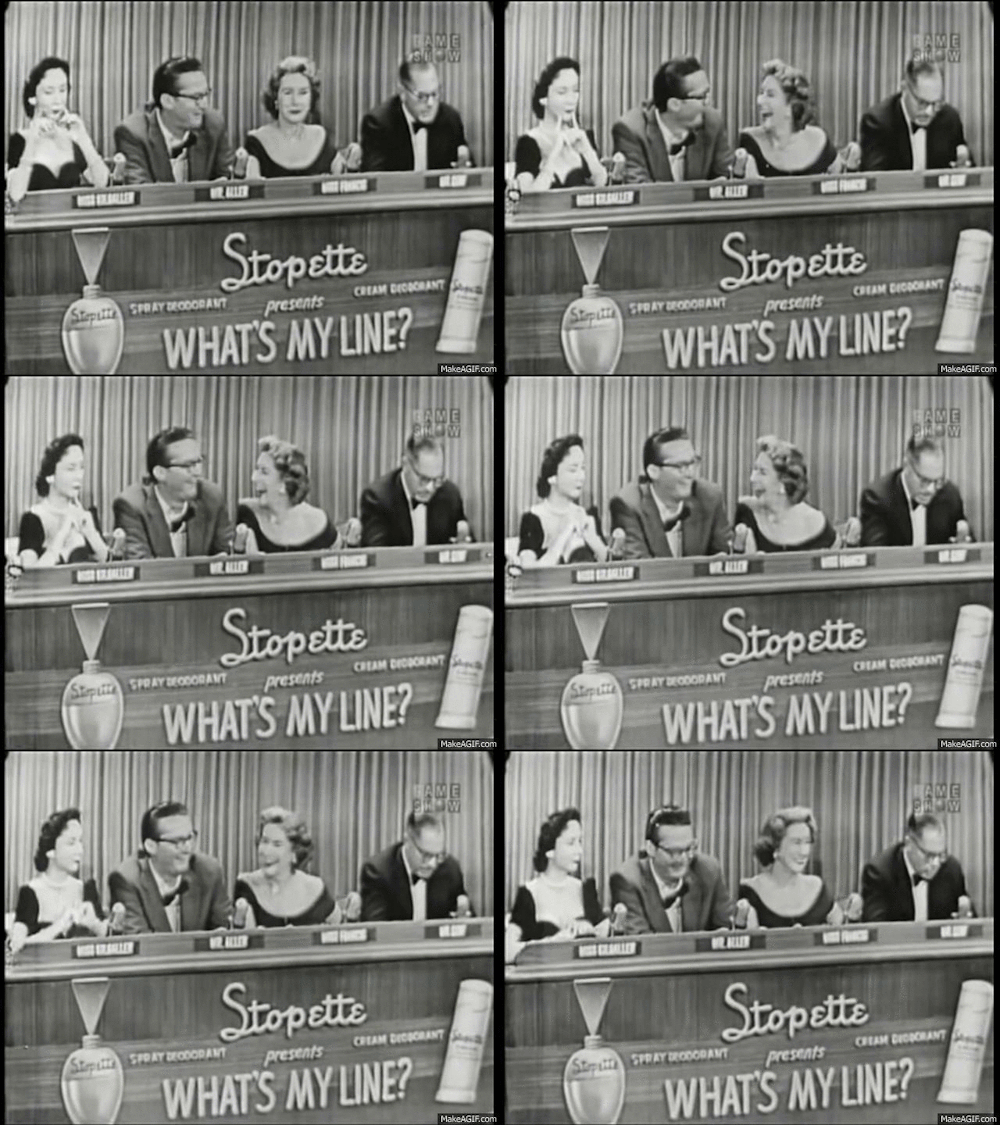 Between 1955 and 1959, America’s prime-time television schedule became dominated by quiz shows.
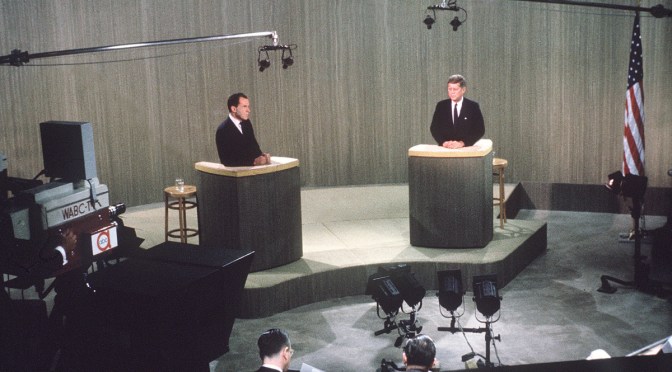
…(Television executive Frank) Stanton got both Vice President Richard Nixon – who had been a champion debater at Whittier College – and Senator John F. Kennedy to accept invitations to debate live on television. That’s when the really difficult negotiations began.

…Every detail took a long time to agree on, as the election drew ever closer in the late summer of 1960.
…Sure enough, the time pressures pushed everyone to agree on an established TV format Americans were familiar with: the quiz show. The required studios were easily available, the production staff already knew what to do, and journalists could easily moderate discussions in which candidates agreed not to directly question or answer each other.


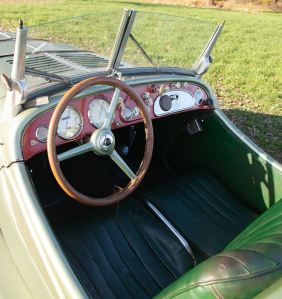 BMW’s 328 is recognized as one of history’s most important sports cars, and examples are proudly displayed in leading museums such as the Revs Institute and the Simeone Foundation Automotive Museum. The model emerged victorious in its debut race at the Nürburgring in 1936, won its class at the 1938 Mille Miglia and the 1939 Le Mans, and won the Mille Miglia outright in 1940. With over 200 victories, 328s were competitive until well into the 1950s.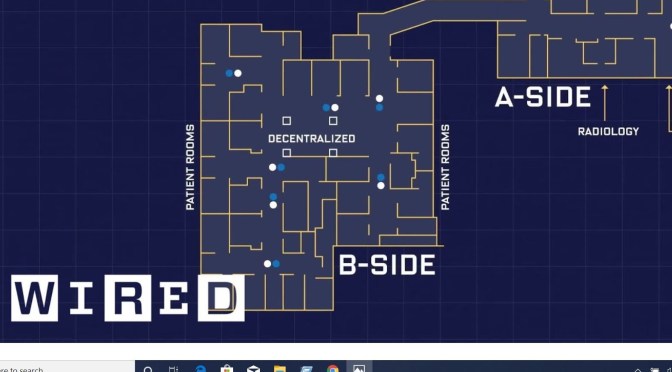
 Produced by WIRED Brand Lab with American Institute of Architects | How can design transform emergency rooms from one of the most stressful and chaotic places into a place of healing? Dr. Bon Ku and architect Billie Faircloth, AIA, break down the science behind designing a better work environment for hospitals.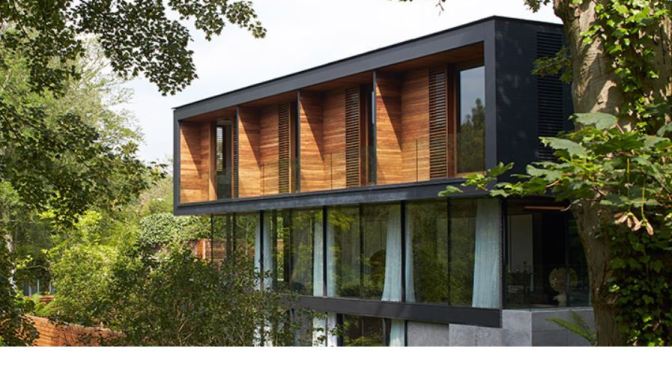
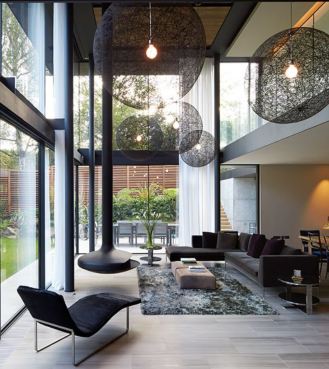 A stunning 6,200 sq ft space, this remarkable and sprawling house rises up through its surrounding landscaped gardens. Described by the Architects’ Journal as having a “beguilingly cave-like relationship to the outside world”, it is a bold vision of contemporary architecture in which the natural world has been thoroughly entwined with the design.
 Recline by the pool, listen to the artificial stream winding its way through the gardens, meander across the footbridge: this home was conceived for those long, dreamy summer days.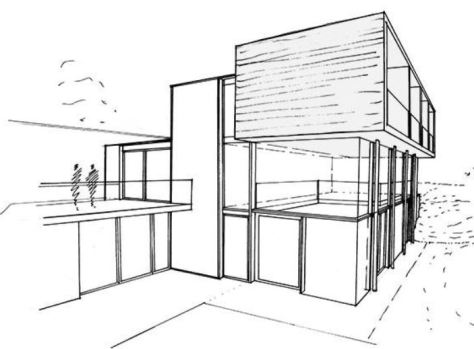

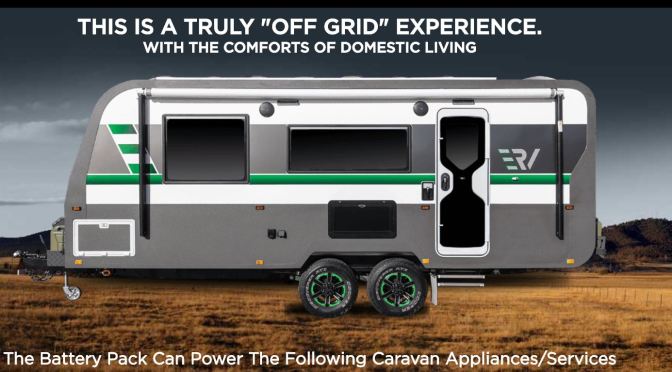
 Now with an energy-efficient thermal rating construction and revolutionary energy supply, you can live in your caravan just like you would at home! Use what you want, when you want, where you want!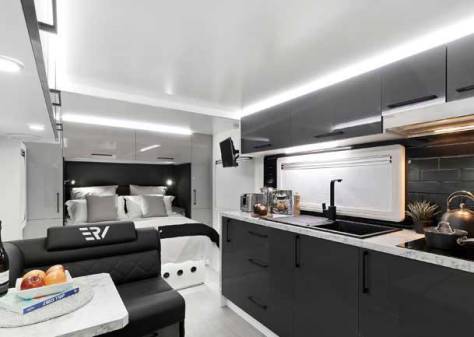
 With an unprecedented 2033* watts of factory-fitted PV Solar, integrated automotive-grade 14.3KW/Hr battery, coupled with a 5000-watt Smart Inverter, this holistically engineered, self-generating, battery energy storage system will revolutionise your “truly off-grid experience”.
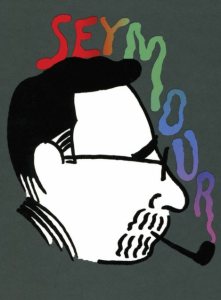 Seymour’s art was postmodern long before the term was coined. Yet it was resolutely modern in its rejection of the nostalgic and romantic representation, as in the acolytes of Norman Rockwell, that had been popular in mainstream advertising magazines at the time. Instead of prosaic or melodramatic tableau, Seymour emphasized clever concept. What makes the very best of his art so arresting, and so identifiable, is the tenacity of his ideas—simple, complex, rational, and even absurd ideas.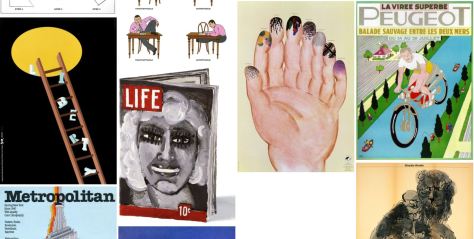
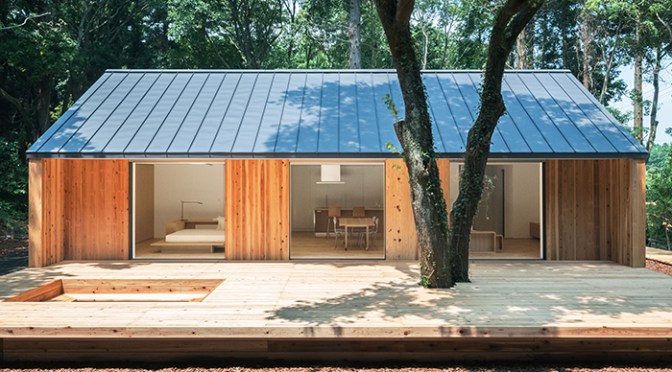
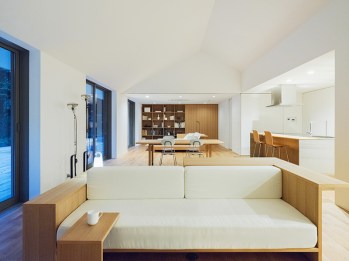 …the Yō no Ie re-imagines a life in suburban-rural areas, rather than urban-suburban. This reflects quiet yet significant social changes – or rather, shifts in life priorities of people and how they define happiness. In the 20th century, when society was excited about economic growth, everyone dreamed of living in cities, working at big companies by navigating a world of fierce competition, either spending an eye-popping amount of money on a small urban condo that quickly became a norm, or traveling hours to commute from a more affordable home in rapidly sprawling suburbs.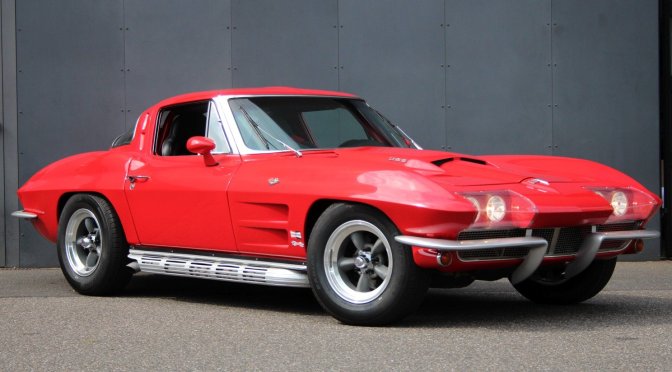
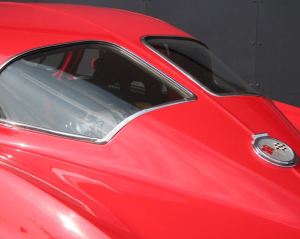 The 1963 Sting Ray production car’s lineage can be traced to two separate GM projects: the Q-Corvette, and perhaps more directly, Mitchell’s racing
 Intellicurious