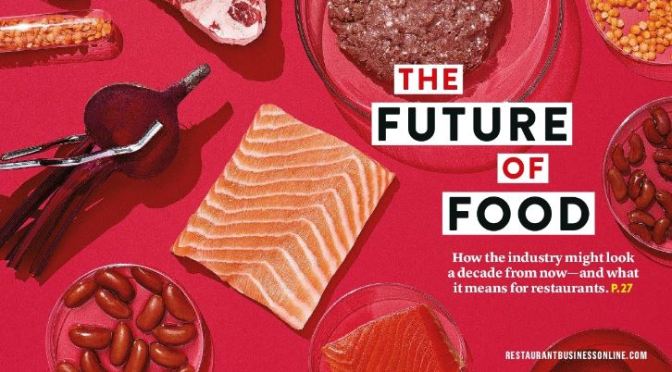
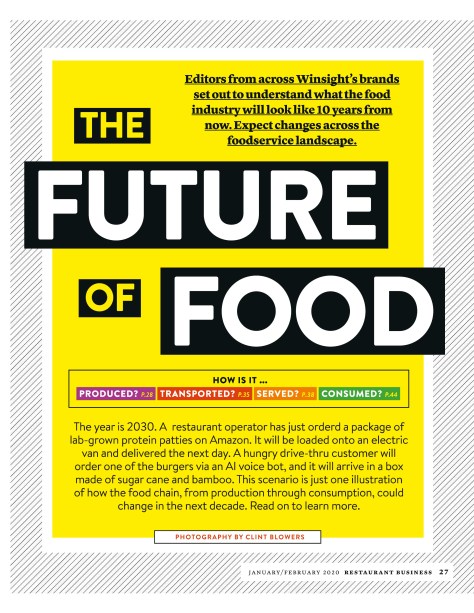

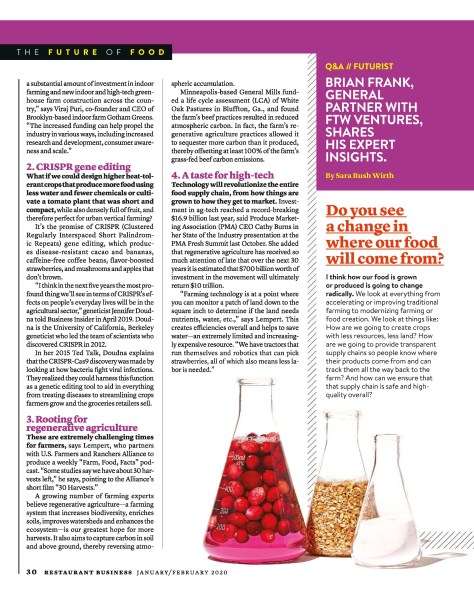
Read entire article: The Future Of Food Restaurant Business February 2020

From a JAMA Network Open online release (Jan 31, 2020):
 Steep incidence increases between 49 and 50 years of age are consistent with previously undetected colorectal cancers diagnosed via screening uptake at 50 years. These cancers are not reflected in observed rates of colorectal cancer in the SEER registries among individuals younger than 50 years. Hence, using observed incidence rates from 45 to 49 years of age alone to assess potential outcomes of earlier screening may underestimate cancer prevention benefits.
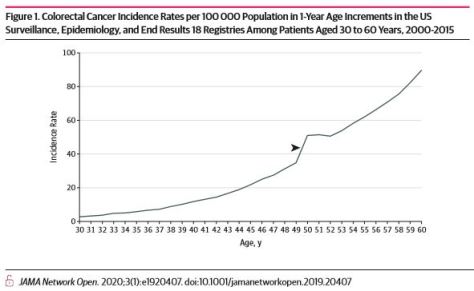
Early-onset colorectal cancer (EOCRC) incidence rates are increasing, and controversy exists regarding whether average-risk screening should begin at 45 or 50 years of age.1 In 2018, the American Cancer Society recommended that average-risk screening start at 45 years of age.2 Others recommend screening at 50 years of age, although the US Multi-Society Task Force on Colorectal Cancer recommends screening African American individuals at age 45 years of age owing to higher incidence, mortality, and earlier-onset disease.3–6 The American Cancer Society decision incorporated modeling studies that used updated incidence and mortality data encompassing time periods of increasing EOCRC incidence rates; modeling compared life-years gained by initiating screening at 45 vs 50 years.
From Carolyn K. Reidy, President & CEO of Simon & Schuster:
 “She was unique. Nobody ever bonded more completely with her readers than Mary did; she understood them as if they were members of her own family. She was always absolutely sure of what they wanted to read—and, perhaps more important, what they didn’t want to read—and yet she managed to surprise them with every book. She was the Queen of Suspense, it wasn’t just a phrase; she always set out to end each chapter on a note of suspense, so you just had to keep reading. It was at once a gift, but also the result of hard work, because nobody worked harder than Mary did on her books to deliver for her readers. She was also, unfailingly, cheerful under pressure, generous, good humored and warm-hearted, the least ‘temperamental’ of bestselling authors, and the most fun to be around.
It is with great sadness that I write to inform you that Mary Higgins Clark died January 31, 2020 in Naples, Florida, at the age of 92. The cause was complications of old age.
It is impossible to overestimate the importance of Mary’s contribution to our success, and her role in the modern history of Simon & Schuster. Beginning in 1975 with the publication of WHERE ARE THE CHILDREN, each of her 56 books has been a bestseller. There are more than 100 million copies of her books in print in the United States; they are international bestsellers and have been translated into every major and many less well-known languages.

The winter break is finally over and the automotive year is about to kick off in emphatic fashion at Rétromobile, undeniably the finest event of its type on the planet.
 The annual salon is Paris provides manufacturers with a stage on which to show off their commitment to preserving their precious pasts, dealers the chance to set out their stalls and signal their intentions for the coming year and humble enthusiasts like us an opportunity to ogle thousands of collectable cars ranging from the affordable and the obscure to the rare and the downright priceless.

New York Times columnist David Brooks and Washington Post columnist Ruth Marcus join Judy Woodruff to discuss the week’s political news, including the Senate’s decision not to call witnesses in President Trump’s impeachment trial, Republicans’ varying defenses of Trump’s conduct around Ukraine and what recent polling trends among 2020 Democrats suggest about Monday’s Iowa caucuses.
From a Rush University Medical Center online article:
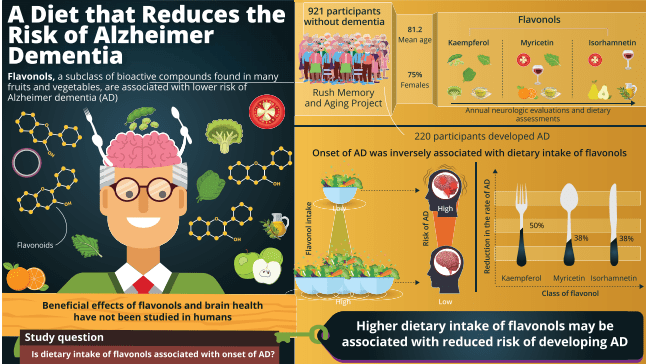
The study found that participants in the group with the highest flavonol consumption were 48% less likely to develop Alzheimer’s dementia later on in life than participants with the lowest level. Of the 186 people in the highest group, 28 people, or 15%, developed Alzheimer’s dementia, compared to 54 people, or 30%, of the 182 people in the lowest group.
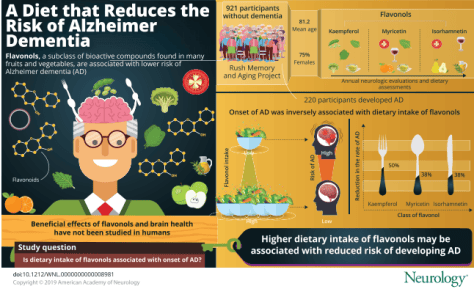
People who eat or drink more foods with flavonol, which is found in nearly all fruits and vegetables, plus tea and wine, may be less likely to develop Alzheimer’s dementia, according to the Rush researchers. They published the results of their study in the Jan. 29 online issue of Neurology.
Flavonols are a type of flavonoid, a group of phytochemicals found in plant pigments. They are known for their beneficial effects on health due to their antioxidant and anti-inflammatory properties.
A total of 921 people with an average age of 81 participated in the Neurology study. These participants did not have Alzheimer’s dementia when starting the study.
 With voting for 2020 set to begin in Iowa on Monday, “The Daily” sat down with Dean Baquet, the executive editor of The New York Times, to discuss the lessons he — and the organization — learned from 2016. For more information on today’s episode, visit nytimes.com/thedaily.
The media’s coverage of the 2016 presidential campaign has come to be criticized for operating under three key assumptions: that Hillary Clinton was certain to be the Democratic nominee, that Donald Trump was unlikely to be the Republican nominee, and that once Clinton and Trump had become their party’s nominees, she would win.
Dean P. Baquet is an American journalist. He has been the executive editor of The New York Times since May 14, 2014. Between 2011 and 2014 Baquet was managing editor under the previous executive editor Jill Abramson. He is the first black American to serve as executive editor. Wikipedia
 The all-electric First Ever GMC HUMMER EV leads a quiet revolution – with zero emissions and zero limits. It earns its super truck status with up to:
From a Technology Networks online article:
 By comparing the pancreatic cells of type 2 diabetic human donors with those of healthy people, researchers at the University of Geneva (UNIGE) and at the University Hospitals of Geneva (HUG), Switzerland, were able to demonstrate, for the first time, that the pancreatic islet cells derived from the Type 2 Diabetic human donors bear compromised circadian oscillators.
The disruption of the circadian clocks was concomitant with the perturbation of hormone secretion. Moreover, using clock modulator molecule dubbed Nobiletin, extracted from lemon peel, the researchers succeeded in “repairing” the disrupted cellular clocks and in partial restoring of the islet cell function. These results, published in the Proceedings of the National Academy of Sciences of the United States, provide a first insight into innovative approach for diabetes care.
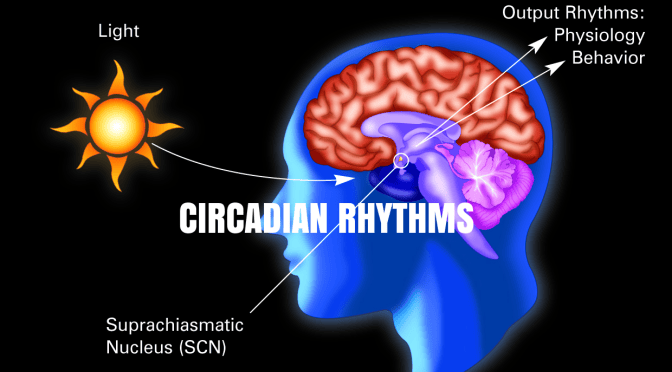
The circadian clock system (from Latin “circa diem”, about a day) allows the organisms to anticipate periodical changes of geophysical time, and to adjust to these changes. Nearly all the cells in our body comprise molecular clocks that regulate and synchronize metabolic functions to a 24-hour cycle of day-night changes.
Today, increasing evidence show that disturbances in our internal clocks stemming from frequent time zone changes, irregular working schedules or ageing, have a significant impact on the development of metabolic diseases in human beings, including type-2 diabetes. Such disturbances seem to prevent the proper functioning of the cells in the pancreatic islet that secrete insulin and glucagon, the hormones that regulate blood sugar levels.







 Intellicurious