Category Archives: Nature

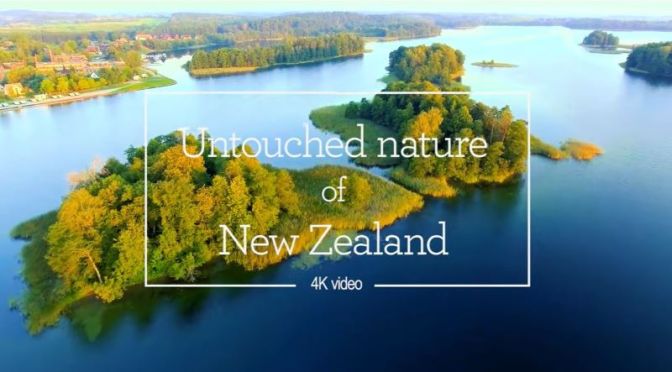
Aerial Views: Untouched Nature Of New Zealand

New Zealand is an island country in the southwestern Pacific Ocean. It consists of two main landmasses—the North Island and the South Island —and more than 700 smaller islands, covering a total area of 268,021 square kilometres. 

Video timeline: 00:57​ – Purakaunui Bay 02:26​ – Mount Taranaki 04:21​ – Mount Cook 05:41​ – Roaring Billy Falls 07:44​ – Omarama Clay Cliffs 11:06​ – Lake Pukaki 12:26​ – Lion Rock and Piha Beach 15:49​ – Arthur’s Pass 17:40​ – Castlepoint Lighthouse 21:21​ – Lake Hawea 23:30​ – Skippers Road 26:26​ – Glacial valley in Southern Alps 27:52​ – Kaikoura Seal Colony 29:04​ – Ninety Mile Beach 31:16​ – Whakarewarewa geothermal area 36:38​ – Queenstown 38:37​ – Whangarei Falls

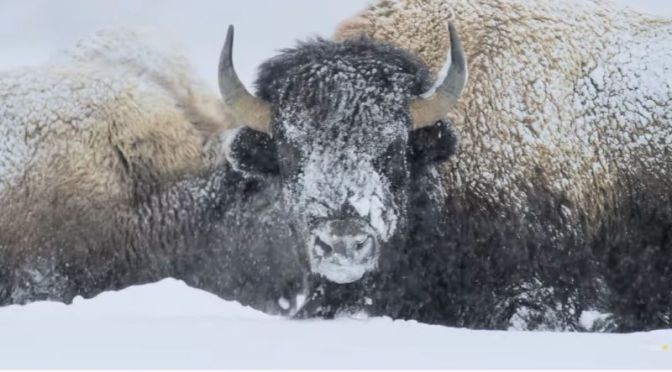
Wildlife: ‘Yellowstone Bison’ Are Built For Winter Survival (Video)

With a dense coat, a powerful mass of muscle and a large head ideally suited for clearing away snow and locating buried grass, bison are built for frigid conditions in Yellowstone. If it wasn’t for a hidden herd in the deepest reaches of this National Park, bison would have been wiped out in the late 1800s. Today, thousands of them thrive.

From Epic Yellowstone: Fire and Ice https://bitly.com/35mV4hU

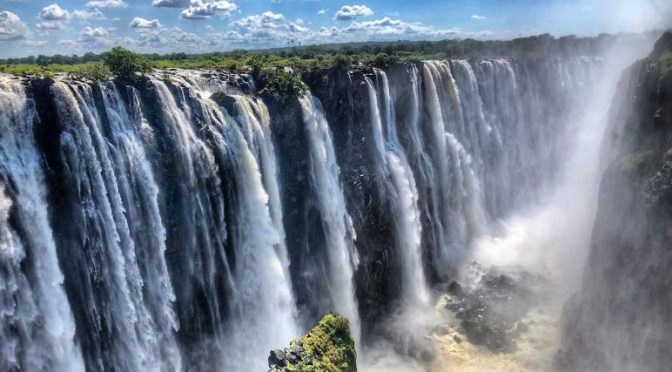
360° Views: ‘Victoria Falls’, Zambia & Zimbabwe, AFrica

Victoria Falls is a waterfall on the Zambezi River in southern Africa, which provides habitat for several unique species of plants and animals. It is located on the border between Zambia and Zimbabwe and is considered to be one of the world’s largest waterfalls due to its width of 1,708 m.

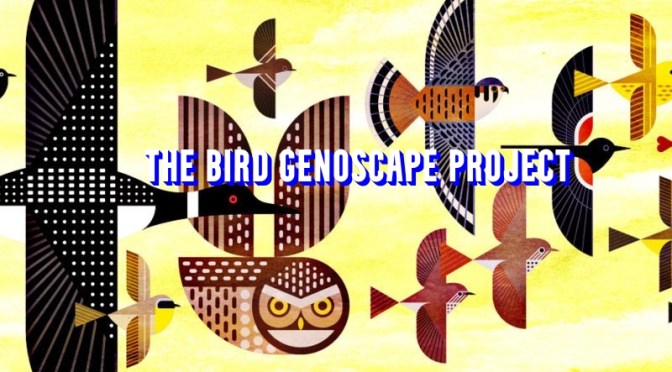
Science & Wildlife: ‘The Bird Genoscape Project’

Billions of birds migrate annually across the Western Hemisphere… but if we don’t know where they go when they leave their breeding grounds, how can we protect them? By extracting DNA from individual feathers (and borrowing cutting-edge technology from the Human Genome Project) scientists can map bird migration with greater precision than ever before. The result is the Bird Genoscape Project, and it’s revolutionizing bird conservation by connecting migratory birds – and the people who care about them – across the Americas. This work was funded by the National Geographic Society. Learn more at http://www.natgeo.org.

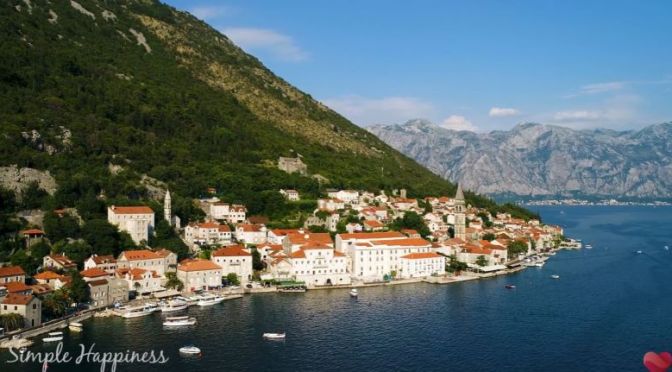
Aerial Views: Montenegro ‘Villages & Nature’ (4K)

Montenegro is a Balkan country with rugged mountains, medieval villages and a narrow strip of beaches along its Adriatic coastline. The Bay of Kotor, resembling a fjord, is dotted with coastal churches and fortified towns such as Kotor and Herceg Novi. Durmitor National Park, home to bears and wolves, encompasses limestone peaks, glacial lakes and 1,300m-deep Tara River Canyon. 

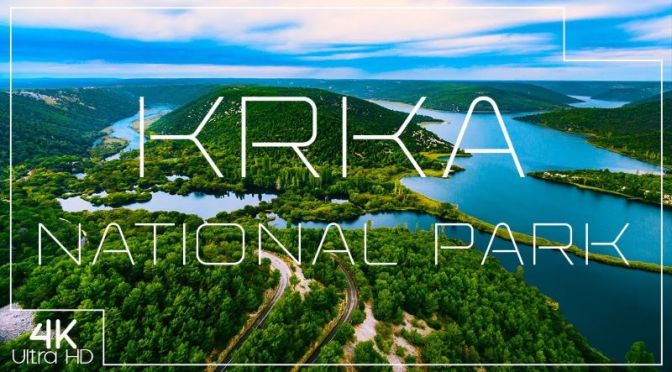
Views: ‘Krka National Park’ IN Croatia (4K UHD Video)

Krka National Park is situated along the Krka River in southern Croatia. It’s known for a series of 7 waterfalls. In the south, Skradinski Buk waterfall is flanked by traditional watermills. To the north, a nature trail passes another striking cascade, Roški Slap, and the Krka Monastery, built above ancient Roman catacombs. Visovac Island is home to the 15th-century Franciscan Monastery of Our Lady of Mercy. 

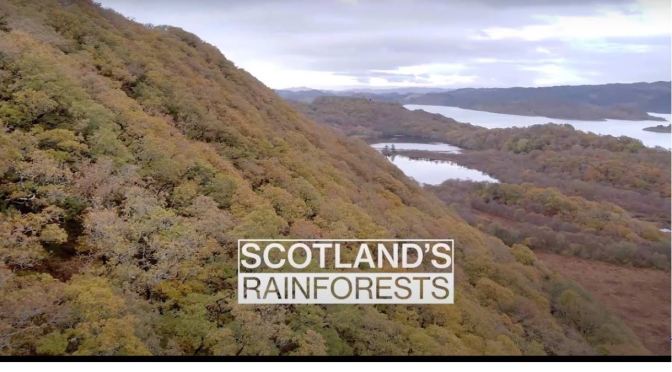
Ecosystems: ‘Scotland’s Rainforest’ (HD Video)

Scotland’s rainforest is one of our most precious habitats. It is as important as tropical rainforest, but even rarer. Yet few people know it exists and fewer still know how globally significant it is. This film was created by the Alliance for Scotland’s Rainforest to inform and inspire better protection for Scotland’s rainforest.

Scotland’s rainforest is made up of the native woodlands found on Scotland’s west coast where consistent levels of rainfall and relatively mild, year-round temperatures provide just the right conditions for some of the world’s rarest mosses, liverworts and lichens.

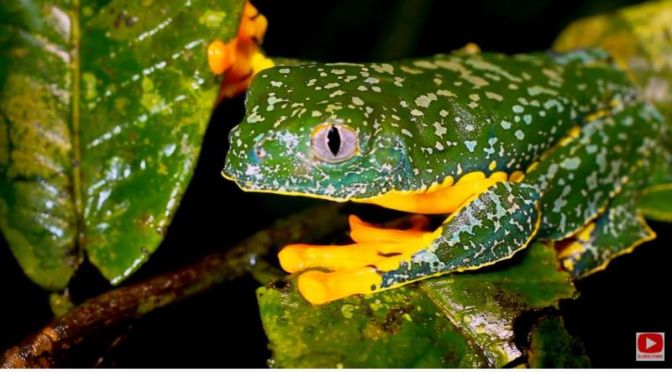
Views: ‘Reptiles’ (8K Video)

Reptiles are a class of vertebrates made up mostly of snakes, turtles, lizards, and crocodilians. These animals are most easily recognized by their dry, scaly skin. Almost all reptiles are cold-blooded, and most lay eggs—though some, like the boa constrictor, give birth to live young. Instead of possessing gills like fish or amphibians, reptiles have lungs for breathing.

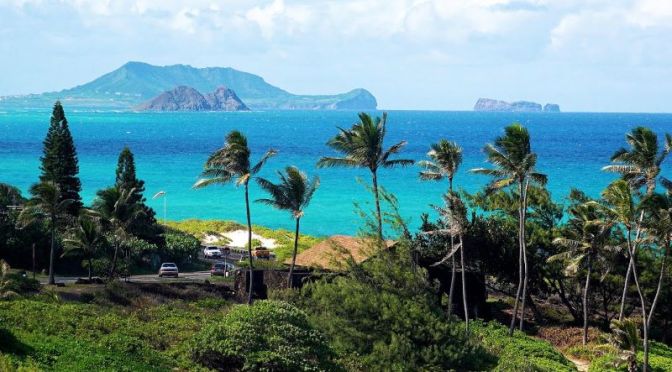
Tropical Travel: ‘The Hawaiian Islands’ (Video)

The Hawaiian Islands are an archipelago of eight major islands, several atolls, numerous smaller islets, and seamounts in the North Pacific Ocean, extending some 1,500 miles from the island of Hawaiʻi in the south to northernmost Kure Atoll.

Video timeline: The five largest and most scenic Hawaii islands: Kauai (0:00​), Maui (4:21​), Big Island (8:50​), Molokai (13:18​) and Oahu (15:55​).

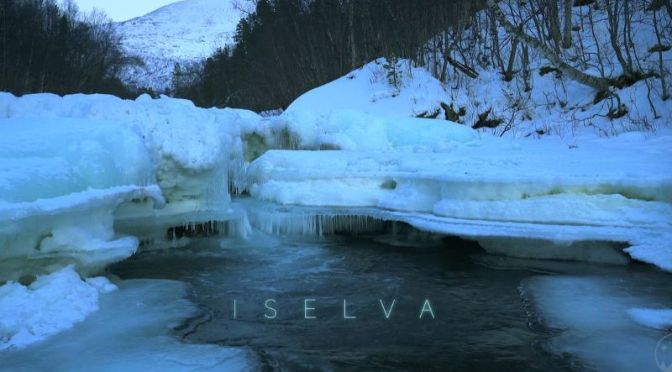
Nature In Winter: ‘Ice Sculptures’ In Målselva, Norway (4K Video)

Filmed and Edited by: Night Light Films

As it has been a long time since our last release, and because big things are on the way, we are starting a new series of short documentaries based on the stunning nature around northern Norway. It is also a way for us to flag the current saddening state of the Arctic and how climate change is affecting it more / faster than any other part or the world.

This series of clips were taken in Målselva, Norway on January 10th 2020. Typically at this time of year and around that inland area, temperature are much colder and rivers are dormant, buried under feet of snow. This year, however, is a total different story. For the past years, we’ve been seeing a general trend with much milder, later winters with very little snow until February. This year, Tromsø has had zero centimeters thus far, which is quite alarming. Rivers should barely be running or visible.

The Målselva is a river in Målselv Municipality in Troms og Finnmark county, Norway. The 140-kilometre (87 mi) long river flows through the Målselvdalen valley and then empties into the Målselvfjorden, an arm of the Malangen fjord. The municipality and the valley through which the river runs are both named after the river.