
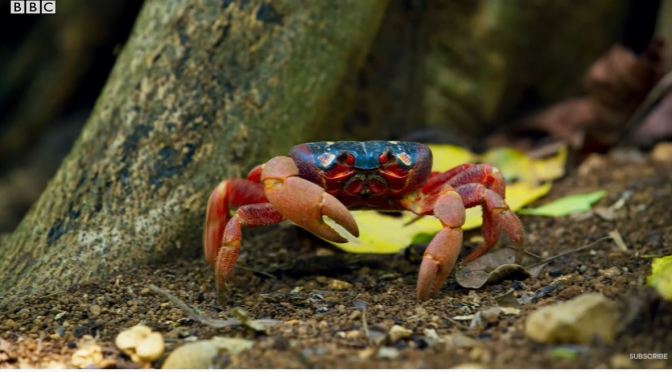
The Christmas Island red crab is of land crab that is endemic to Christmas Island and Cocos (Keeling) Islands in the Indian Ocean. Although restricted to a relatively small area, an estimated 43.7 million adult red crabs once lived on Christmas Island alone,[3] but the accidental introduction of the yellow crazy ant is believed to have killed about 10–15 million of these in recent years.[4] Christmas Island red crabs make an annual mass migration to the sea to lay their eggs in the ocean.[5] Although its population is under great assault by the ants,[6] as of 2020 the red crab had not been assessed by the International Union for Conservation of Nature (IUCN) and it was not listed on their Red List.
Category Archives: Nature
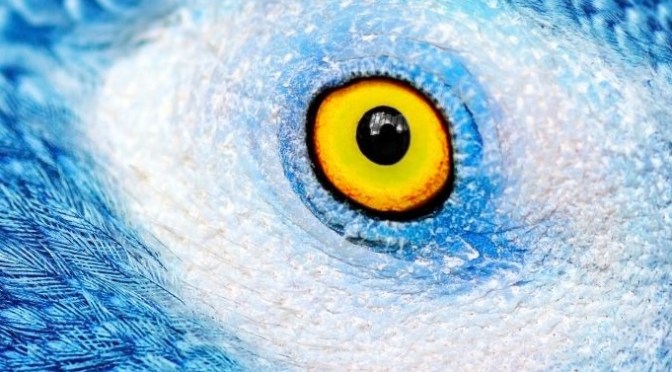
Views: The Beautiful And Bizarre ‘Eyes” Of Animals
“The cornea, which in fish is simply a transparent protective cover for the eye, became an image-forming structure in its own right,” wrote the late Michael Land, a biologist at the University of Sussex in England, in a 2005 study in the journal Current Biology, “because it now had air on one side and water on the other.”
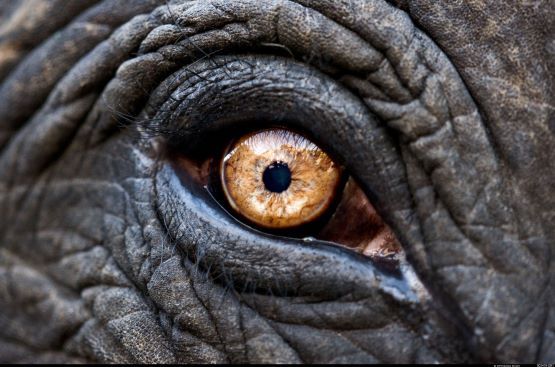
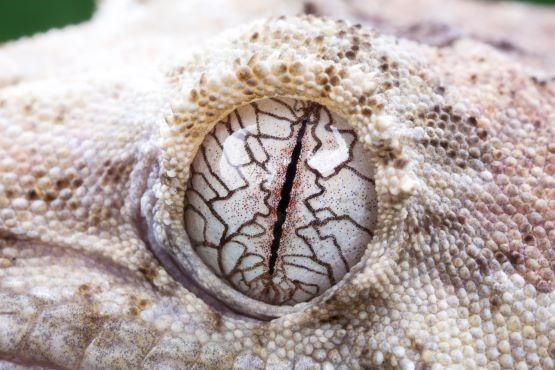
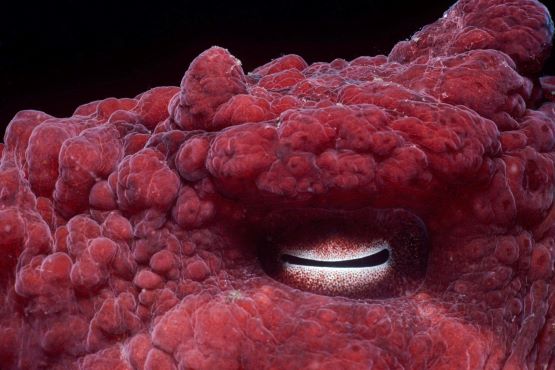
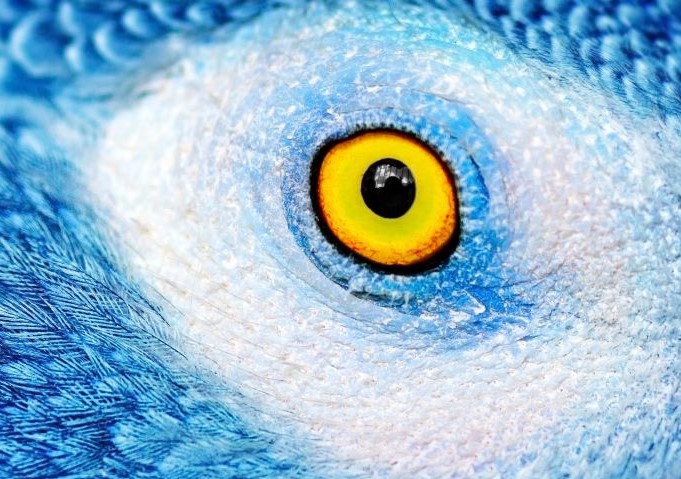
Some organisms have kept basic structures—flatworms and mollusks still have their simple pit eyes—while others sprouted mirrored components, elaborate pupil dynamics and arrangements that let their owner see above and below a waterline simultaneously. Even in animals that rely primarily on sensations besides sight, incredible eye features persist.

Views: Billions Of Cicadas Emerge In The Eastern U.S. After 17 Years (CBS Video)
Periodical cicadas, identified as Brood X, are back, providing us with a once-every-17-years opportunity to witness a remarkable natural phenomenon, as these insects emerge and breed, while producing sounds as loud as a jet engine. Correspondent Chip Reid talks with entomologists about the cicadas’ cycle, and how their protein can satiate the appetites of predators (and cookie lovers).
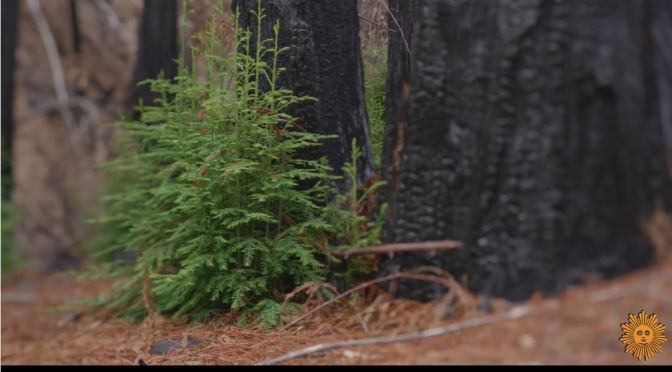
Views: Redwood Forest Recovering From Fire In Santa Cruz, California
“Sunday Morning” takes us to California’s Santa Cruz Mountains, where a Redwood forest scarred by fire shows signs of rebirth. Videographer: Derek Reich.
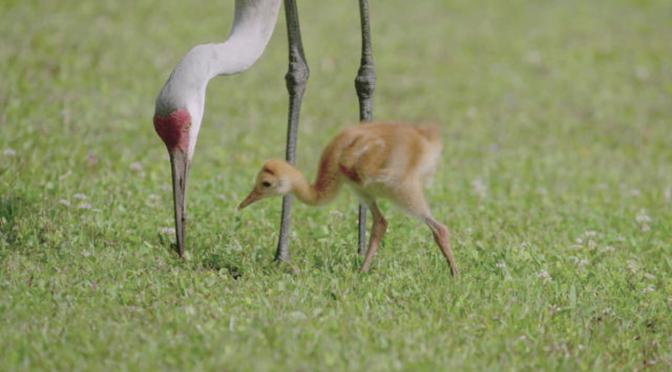
Nature Views: Sandhill Cranes & Chicks Near Titusville, Florida (Video)
On this Mother’s Day “Sunday Morning” takes us among sandhill cranes and their chicks in Titusville, Florida. Videographer: Doug Jensen.
The sandhill crane is a species of large crane of North America and extreme northeastern Siberia. The common name of this bird refers to habitat like that at the Platte River, on the edge of Nebraska’s Sandhills on the American Plains.
Titusville is a city and the county seat of Brevard County, Florida, United States. The city’s population was 43,761 as of the 2010 United States Census. Titusville is located along the Indian River, west of Merritt Island and the Kennedy Space Center, and south-southwest of the Canaveral National Seashore.
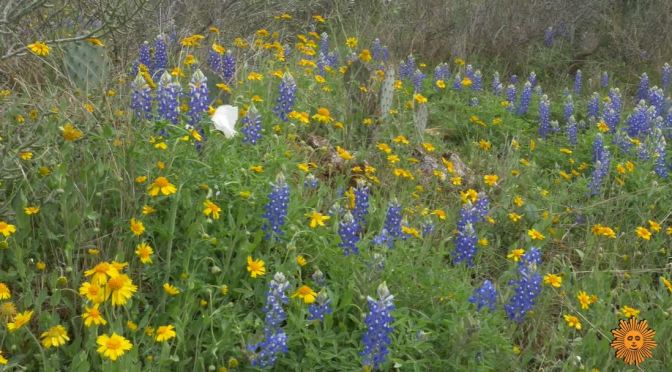
Views: Wildflowers In Mason County, Texas
“Sunday Morning” takes us to Mason County, Texas, for a look at bluebonnets and wildflowers. Videographer: Scot Miller.
Mason County is a county located on the Edwards Plateau in the U.S. state of Texas. At the 2010 census, its population was 4,012. Its county seat is Mason. The county is named for Fort Mason, which was located in the county.

Cinematic Views: ‘Dance Of Shadows In Japan’ (Video)
During a three month journey travelling and working on organic farms in Japan, filmmaker Steve Atkins often found himself distracted by the beauty around him. As sunlight filtered through the trees that towered over him, their silhouette gracing the surface beneath or ahead him, he felt repeatedly drawn and connected with the Natural world — an effect of Komorebi performing itself on the peripheries.
There is a magical quality to the animate expression of Nature; a mutual puppet-show hosted between trees, light and wind. “When I paused long enough to take it all in, to share in a humble celebration of Nature’s playfulness, I was gifted with a potent ease,” Atkins shares…
Continue reading: https://www.nowness.asia/story/komore…
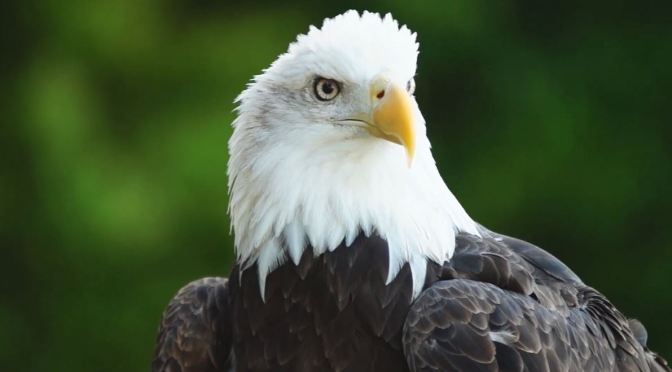
Nature: ‘The Recovering America’s Wildlife Act’ – Benefits To Texas Habitats
The Recovering America’s Wildlife Act is a bipartisan bill that would provide $1.4 billion to state and tribal wildlife conservation initiatives to support at-risk wildlife populations and their habitats. The funding would come from existing revenues and would not require any new taxes.
Texas would receive more than $50 million per year for projects to conserve vulnerable wildlife like the much-loved Texas horned lizard, our state fish the Guadalupe bass, and many songbirds and coastal birds. This funding will also help recover species that are already endangered, such as sea turtles and the Whooping crane. The additional resources are urgently needed to aid fish and wildlife populations under increasing pressure from habitat loss, invasive species, emerging diseases, and extreme weather events in Texas and throughout the country.
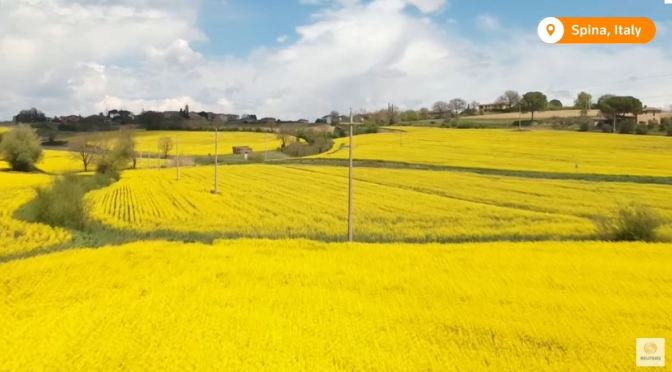
Springtime Views: Yellow Rapeseed Flowers Bloom In Umbria, Italy (Video)
A beautiful carpet of yellow rapeseed flowers lies over parts of Italy’s central Umbrian countryside for a few weeks in April, heralding in spring with a joyous burst of color.
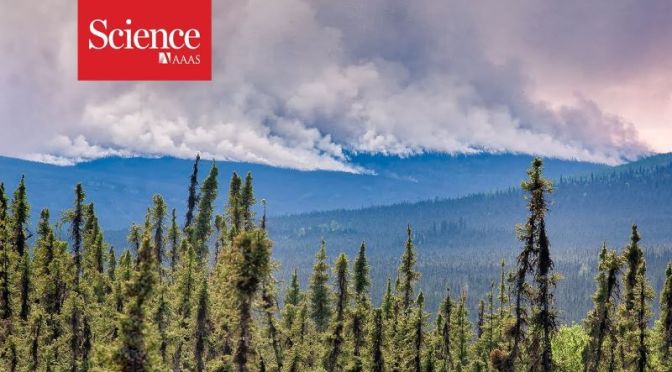
Wildfires: New Forests In Alaska Have Increased Carbon Sequestration
It’s no secret that warming temperatures are transforming landscapes in extreme northern regions. In Alaska, where wildfires have burned through many old-growth spruce forests in the past half decade, deciduous trees—such as aspen and birch—are starting to take over. But little is known about the impact these changes will have on how much carbon the forests release and store.
To find out, researchers trudged through the Alaskan taiga, seeking out wildfire sites where spruce once dominated. They mined these sites for information on carbon and nitrogen stores and forest turnover over time. What they found surprised them: In the long run, their estimates suggest that intensifying heat and more wildfires may lead to more carbon sequestration in Alaskan forests, they report today in Science. It’s impossible to know for sure that the flames will subside, but it’s a bit of good news as the fires burn out the old growth and bring in the new.
Read the research: https://scim.ag/3soUc4e

