
Category Archives: History

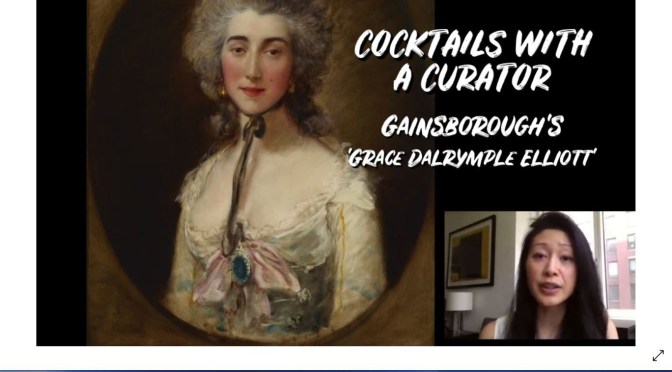
Cocktails With A Curator: “Gainsborough’s ‘Grace Dalrymple Elliott'” (Video)

The Frick Collection logoIn this week’s episode of “Cocktails with a Curator,” Curator Aimee Ng studies Thomas Gainsborough’s scandalous portrait of Grace Dalrymple Elliott. Discover why this painting met with a negative reception when it was shown at the Royal Academy in 1782. Mrs. Elliott later moved to France, where she lived through the Reign of Terror and died in 1823 in the outskirts of Paris. This week’s complementary cocktail is the Pimm’s Cup, a traditional summer drink in Britain.

Thomas Gainsborough RA FRSA was an English portrait and landscape painter, draughtsman, and printmaker. Along with his rival Sir Joshua Reynolds, he is considered one of the most important British artists of the second half of the 18th century.

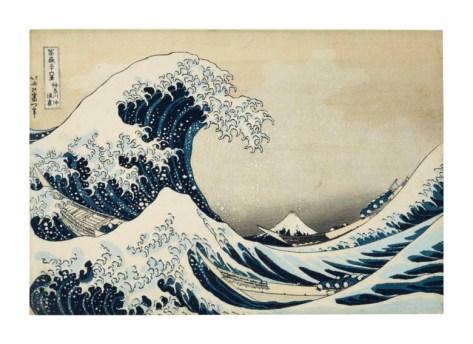
Asian Art: The “Exquisite Stylisation” Of Japanese Woodblock Prints”

From Christie’s Magazine (June 4, 2020):

The Tokugawa dynasty would rule until 1868, and the era became known as the Edo period…It was a time of peace and prosperity, and the arts flourished. Particularly splendid were the ukiyo-e (‘woodblock prints’) — works known for their unusual viewpoints, abrupt cropping, exquisite stylisation, and patches of vivid, unshaded colour.

Katsushika Hokusai (1760-1849), Kanagawa oki nami ura (In the Well of the Great Wave off Kanagawa), from the series Fugaku sanjurokkei (Thirty-six Views of Mount Fuji).

‘Kitagawa Utamaro (1753-1806), Katsushika Hokusai (1760-1849) and Utagawa Hiroshige (1797-1858) belong in the pantheon of all-time great artists,’ says Anastasia von Seibold, senior specialist in Japanese Art at Christie’s.

The introduction of colour: nishiki-e

Printing in more than one colour was tricky: it wasn’t until the 1740s that green and pink were tentatively introduced. A huge breakthrough came in 1765, when Suzuki Harunobu (1724-1770) mastered a process that accommodated an array of colours.

Read more

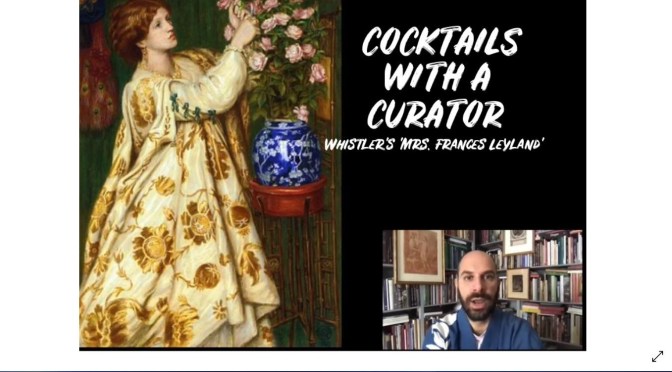
Cocktails With A Curator: Whistler’s ‘Mrs. Frances Leyland'” (The Frick Video)


In this week’s episode of “Cocktails with a Curator,” join Xavier F. Salomon, Peter Jay Sharp Chief Curator, as he explores “Symphony in Flesh Color and Pink: Portrait of Mrs. Frances Leyland” by James McNeill Whistler. Delve into the tumultuous history of Whistler’s relationship with Frederick Richards Leyland, the shipping magnate who commissioned the painting, as well as the painter’s affinity for Japanese culture. This week’s complementary cocktail is a Sake Highball on the rocks.

New Art Books: “Bosch – The Complete Works”

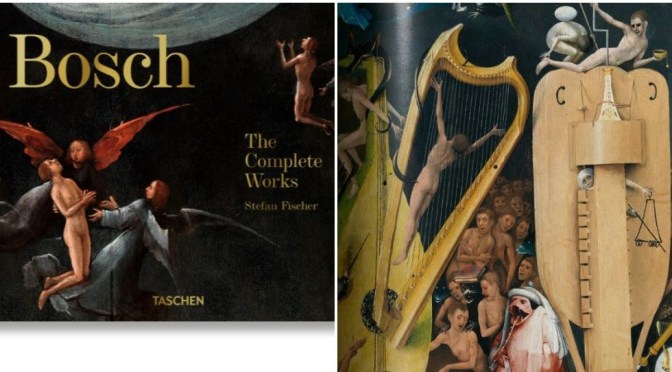
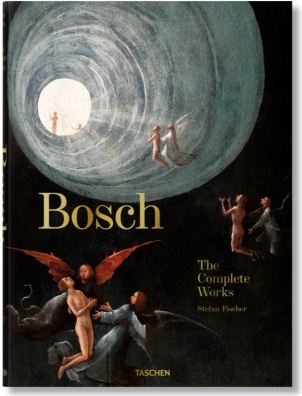
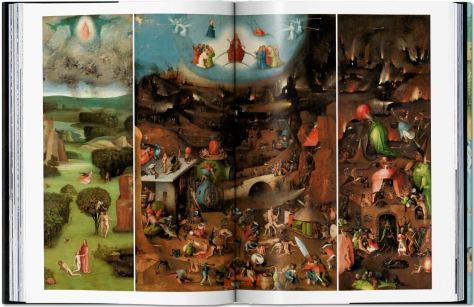
Bosch - The Complete Works - Stefan Fischer - TaschenA bird-monster devouring sinners, naked bodies in tantric contortions, a pair of ears brandishing a sharpened blade: with just 20 paintings and nine drawings to his name, Netherlandish visionary Hieronymus Bosch (c. 1450–1516) secured his place as a pillar of art history. To this day, the painter par excellence of hell and its demons continues to puzzle and enthrall scholars, artists, designers, and musicians alike.
.

Based on the best-selling XXL edition, which saw TASCHEN commission new and exclusive photography of details and recently restored works, this large-scale monograph presents Bosch’s complete oeuvre. Texts from art historian and Bosch expert Stefan Fischer dissect the many compelling elements that populate each scene, from hybrid creatures of man and beast to Bosch’s pictorial use of proverbs and idioms. By tying together the elusive threads of his oeuvre into one exhaustive overview, this book reveals just what it was about Bosch and his painting that proved so immensely influential.

Bosch - The Complete Works

Features:

  • Impeccable full-page reproductions celebrating the artist’s staggering compositional scope
  • Enlarged details unveiling the most intricate and bizarre scenes as much as the unsuspected technical minutiae, from subtle brush-strokes to the grain of the canvas
  • A fold-out spread drawn from the legendary Last Judgement
  • A special chapter focusing on Bosch’s most famous work, the mesmerizing and terrifying triptych The Garden of Earthly Delights

The author

Stefan Fischer studied art history, history, and classical archaeology in Münster, Amsterdam, and Bonn. In 2009 he completed his doctoral thesis “Hieronymus Bosch: Malerei als Vision, Lehrbild und Kunstwerk.” His specialist fields are Netherlandish painting of the 15th to the 17th centuries and museology.

.

Website

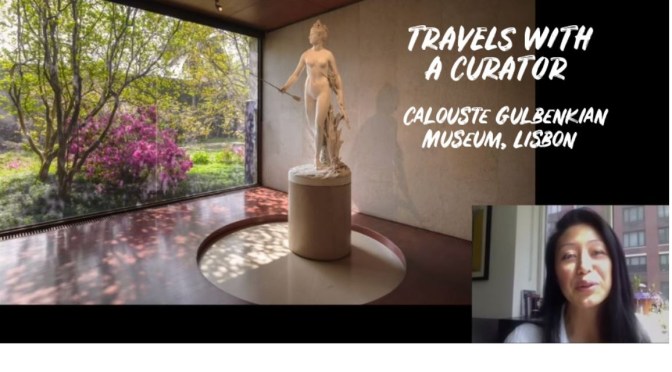
Travels With A Curator: “Calouste Gulbenkian Museum, Lisbon” (Video)

In this episode of “Travels with a Curator,” Curator Aimee Ng takes viewers on a journey to Lisbon’s Calouste Gulbenkian Museum, the home of an extraordinary private collection that, like the Frick, was made available for the enjoyment of the public after the collector’s death. This is a museum about discovery and movement, a place of marvelous encounters between the Old Masters and modernist architecture. Peek inside this spectacular museum—you may recognize a certain marble sculpture whose terracotta sister resides at the Frick.


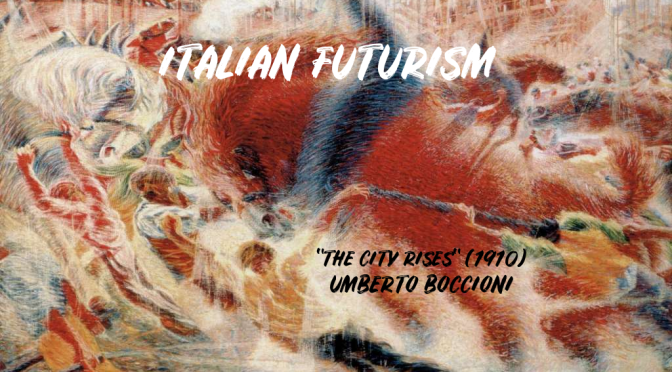
20th Century Art: “Italian Futurism – Umberto Boccioni” (Christie’s)

An introduction to Futurism, the dynamic movement that revolutionised Italian art at the beginning of the twentieth century. Obsessed with speed, the Futurists created art that captured the dawning of a new age. Also included is a closer look at Umberto Boccioni a founding member of the group, who died tragically young during the First World War. An extract from the Christie’s Education online course, Modern Art.

Website

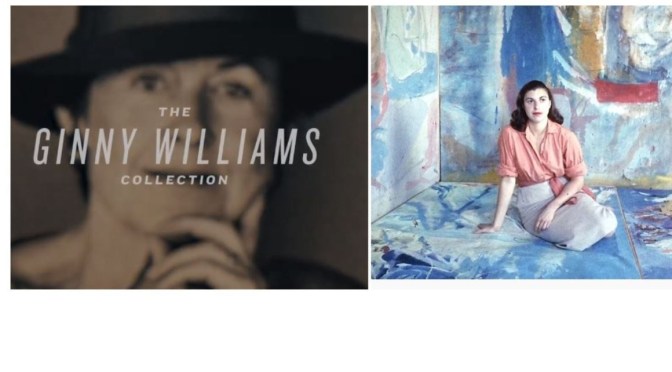
20th Century Art: Female Artists Highlight “Ginny Williams” Collection

As an early patron and friend of artists including Louise Bourgoeis, Ann Hamilton and Lee Krasner, Ginny Williams was revered for her pioneering support. “Ginny saw the Art World as this wonderful and diverse ecosystem, and she loved all parts of it” Sotheby’s Chariman Amy Cappallazzo fondly recalls, “she had a tremendously rich relationship with so many artists”.

Read more

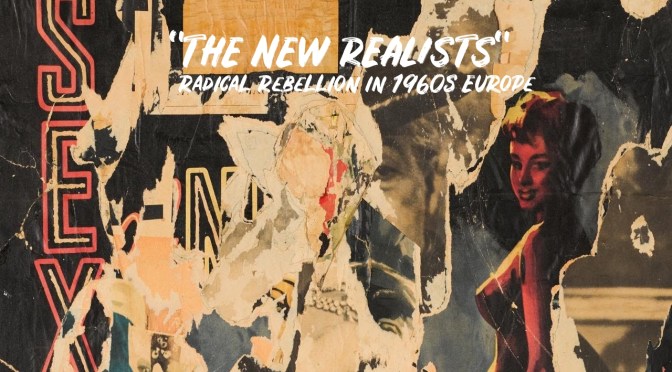
20th Century Art: “The New Realists – Radical Rebellion In 1960’s Europe”

Sothebys LogoIn the 1960s, while America was being wowed by Pop art, Europe had its own answer to bringing life and art closer together. In this episode of Expert Voices, learn about Nouveau Réalism – a groundbreaking movement in which artists created radical and rebellious sculptures and paintings in protest against the rise of consumerism.
Our upcoming Art Contemporain Day Sale (24 June | Paris) features an exceptional private European collection of historical New Realist art, including works by Niki de Saint Phalle, Arman, Daniel Spoerri, Mimmo Rotella and Christo and Jean-Claude.

Art History Videos: Italian Early Renaissance Painter Sandro Botticelli (15th C.)

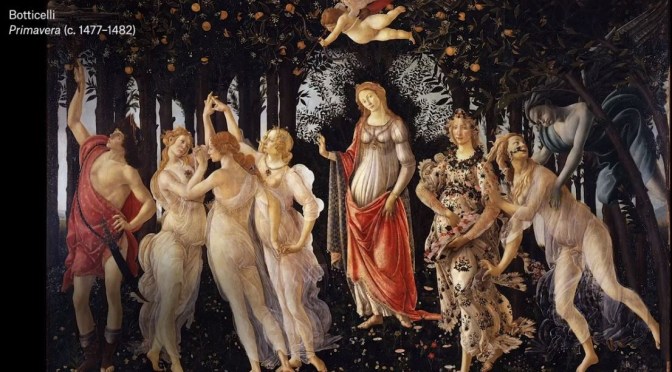
An extract from the Christie’s Education online course, The Great Masters of European Art 1350–1850. Florence in the 1400s, a city of wealthy guilds and merchants, in particular the Medici family, who commissioned astonishing works of art to show off their success and cultivation.

Here we are introduced to one of the great artists the Medicis favoured: Sandro Botticelli, and his most famous works: ‘Primavera’ and ‘The Birth of Venus’.

Alessandro di Mariano di Vanni Filipepi (c. 1445 – May 17, 1510), known as Sandro Botticelli, was an Italian painter of the Early Renaissance. He belonged to the Florentine School under the patronage of Lorenzo de’ Medici, a movement that Giorgio Vasari would characterize less than a hundred years later in his Vita of Botticelli as a “golden age”. Botticelli’s posthumous reputation suffered until the late 19th century; since then, his work has been seen to represent the linear grace of Early Renaissance painting.

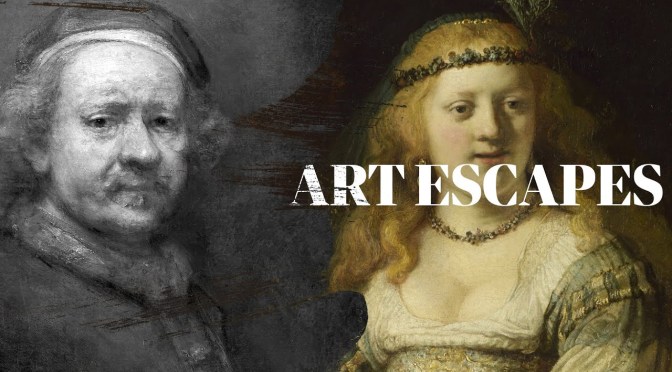
Art History: Rembrandt’s Portraits – “Love And Loss” At The National Gallery

A revealing look at Rembrandt’s most intimate portraits, on display in the locked-down National Gallery in London. The Guardian’s art critic Jonathan Jones reveals his favourite portraits, of vulnerable and unpretentious people the artist had known and loved. Jones asks what we can learn from these great masterpieces, especially during lockdown.