
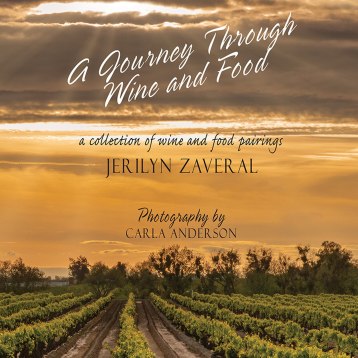
 A Journey Through Wine and Food is a total sensory experience with its lifelike photography, stunning presentation of each dish, glimpses into the wineries and their winemakers, histories of the Central Valley wine region, and most of all amazing recipes that will transform everyday meals into priceless celebrations for any occasion! Inspirational quotes can also be found throughout as a reminder that not only do we need food to nourish our bodies, but we need the company of those on our journey to nourish out souls.
From Shrimp Tacos and Rose, to Beef Bourguignon with Burgundy, to Chocolate Cake paired with Port, A Journey Through Wine and Food gives everyone an opportunity to enhance their experience in the kitchen, regardless of skill level, and takes the guess work out of which wines to pair with dinner. It will also take you on a journey through The Central Valley wine regions of California giving you a sneak peek at some of the best wineries in the world, which until now could be considered “hidden gems.”
Jerilyn Zaveral was born and raised in Central California where she continues to live with her husband Joe and their dog, Hogan. Other than a short stay in New York when she wrote her first cookbook and opened her first cafe, her heart and home have always been in the San Joaquin Valley where she enjoys cooking for family and friends and tasting fine wines. She has won several awards in cooking competitions and cook-offs. Most notably her cafe “Z Spice of Life” was recognized as a destination spot in the Hudson Valley Explorer’s Guide. Jerilyn’s love of creating recipes and meals began when she was a very young child in her grandmother’s kitchen. More specifically, it was one afternoon while baking a chocolate cake when her grandmother asked her to get out the mayonnaise…the realization instantly took hold that cooking isn’t always about the end product, but about the journey of discovering unique tastes, textures and combinations of flavors that others might not expect.
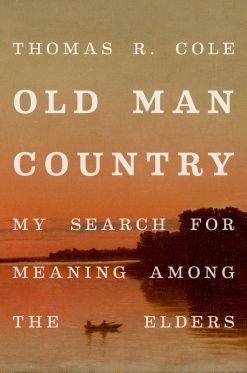 The book follows the journey of a writer in search of wisdom, as he encounters twelve distinguished American men over 80 — including Paul Volcker, the former head of the Federal Reserve, and Denton Cooley, the world’s most famous heart surgeon. In these and other intimate conversations, the book explores and honors the particular way that each man faces four challenges of living a good old age: Am I still a man? Do I still matter? What is the meaning of my life? Am I loved?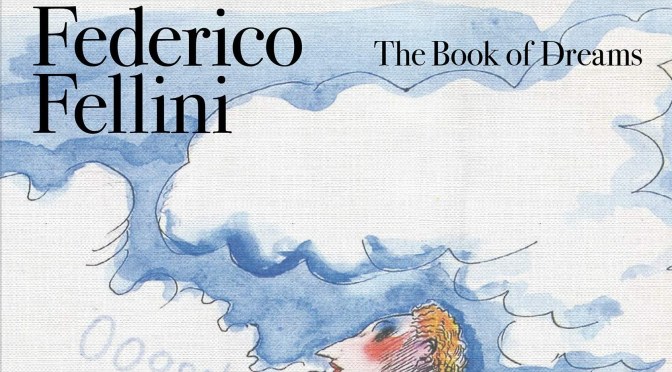
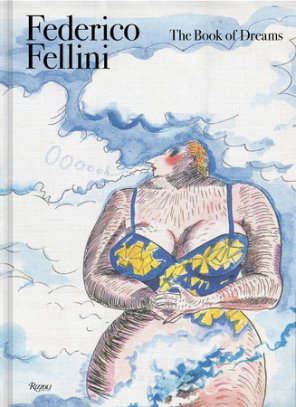 The volume will be released to coincide with the centenary of Federico Fellini’s birth (January 2020), which will be celebrated in Italy with a traveling exhibition on the director that will start its journey from Milan in December 2019.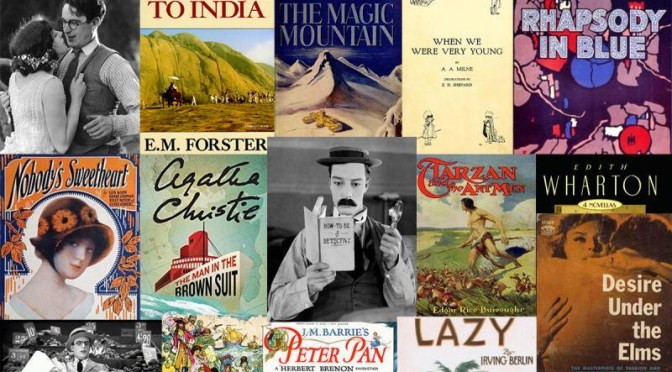
 On January 1, 2020, works from 1924 will enter the US public domain, where they will be free for all to use and build upon, without permission or fee. These works include George Gershwin’s Rhapsody in Blue, silent films by Buster Keaton and Harold Lloyd, and books such as Thomas Mann’s The Magic Mountain, E. M. Forster’s A Passage to India, and A. A. Milne’s When We Were Very Young. These works were supposed to go into the public domain in 2000, after being copyrighted for 75 years. But before this could happen, Congress hit a 20-year pause button and extended their copyright term to 95 years.
 Thomas Mann,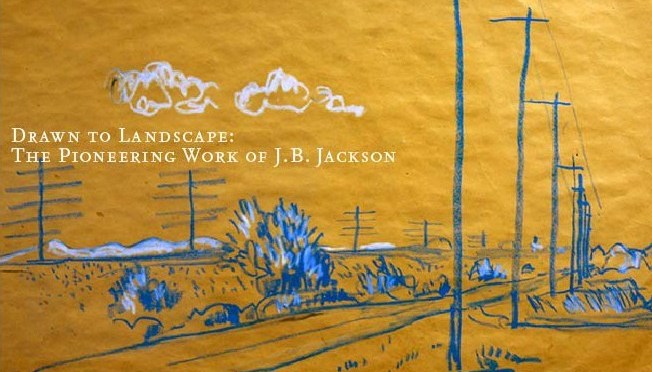
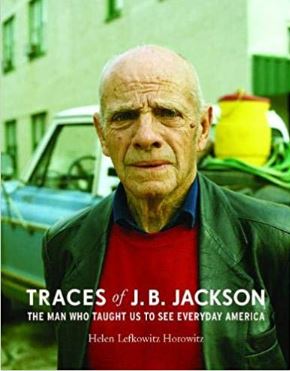 After a varied life of traveling, writing, sketching, ranch labor, and significant service in army intelligence in World War II, Jackson moved to New Mexico and single-handedly created the magazine Landscape. As it grew under his direction throughout the 1950s and 1960s, Landscape attracted a wide range of contributors. Jackson became a man in demand as a lecturer and, beginning in the late 1960s, he established the field of landscape studies at Berkeley, Harvard, and elsewhere, mentoring many who later became important architects, planners, and scholars.
 countryside and city, exploring them as texts that reveal important truths about society and culture, present and past. In Jackson’s words, landscape is “history made visible.”
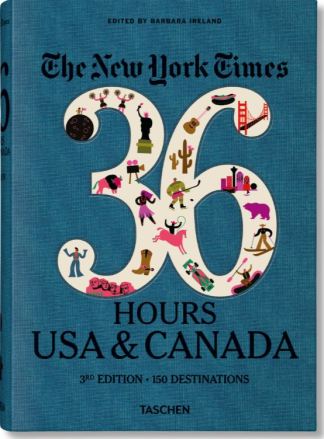 In this fully revised and updated third edition of the best-selling USA & Canada volume, TASCHEN presents the best itineraries from across the continent. You’ll find marquee metropolises like New York, Montreal, and Los Angeles; world-famous natural wonders at Niagara Falls and the Grand Canyon; the hidden charm of Rust Belt cities like Duluth and Detroit, as well as 33 new stories including Anchorage, the Berkshires, Boulder, and many more.
 To travel in North America is to face a delicious quandary: over these vast spaces with so many riches, from glittering cities to eccentric small towns and heart-stoppingly beautiful mountains and plains, how to experience as much as possible in limited time? The New York Times has the answer, offering up dream weekends with practical itineraries in its popular weekly 36 Hours column for nearly two decades.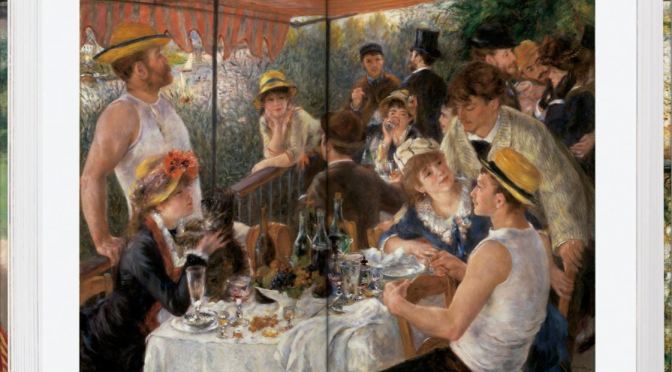
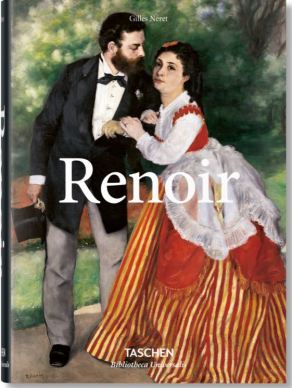 In an incisive text tracing the artist’s career and stylistic evolution, Gilles Néret shows how Renoir reinvented the painted female form, with his everyday goddesses and their plump forms, rounded hips and breasts. Renoir’s later phase, marked by his return to the simple pleasure of the female nude in his baigneuses series, was his most innovative and stylistically influential, and would inspire such masters as Matisse and Picasso.
 happiness, love, and beauty. Derived from our large-format volume, the most comprehensive retrospective of his work published to date, this compact edition examines the personal history and motivation behind the legend. Though he began by painting landscapes in the Impressionist style, Renoir found his true affinity in portraits, after which he abandoned the Impressionists altogether. Though often misunderstood, Renoir remains one of history’s most well-loved painters—undoubtedly because his works exude such warmth, tenderness, and good spirit.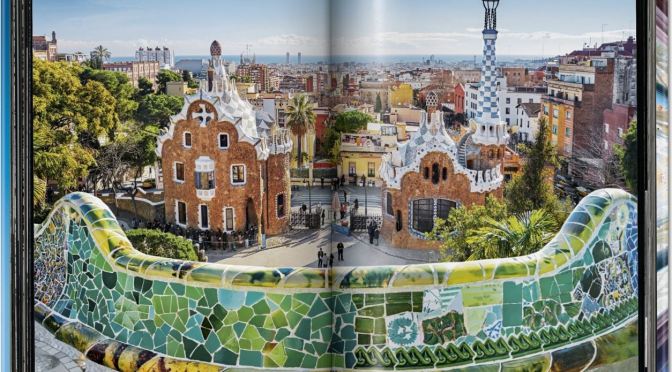
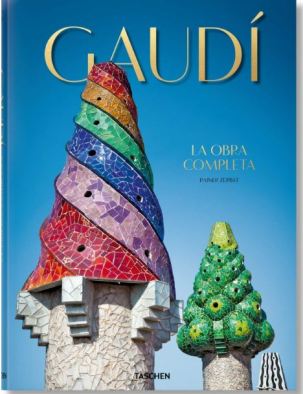 Through brand-new photography, plans and drawings by Gaudí himself, historical photos, as well as an appendix detailing all his works—from buildings to furniture, decor to unfinished projects—this book presents Gaudí’s universe like never before. Like a personal tour through Barcelona, we discover how the “Dante of architecture” was a builder in the truest sense of the word, crafting extraordinary constructions out of minute and mesmerizing details, and transforming fantastical visions into realities on the city streets.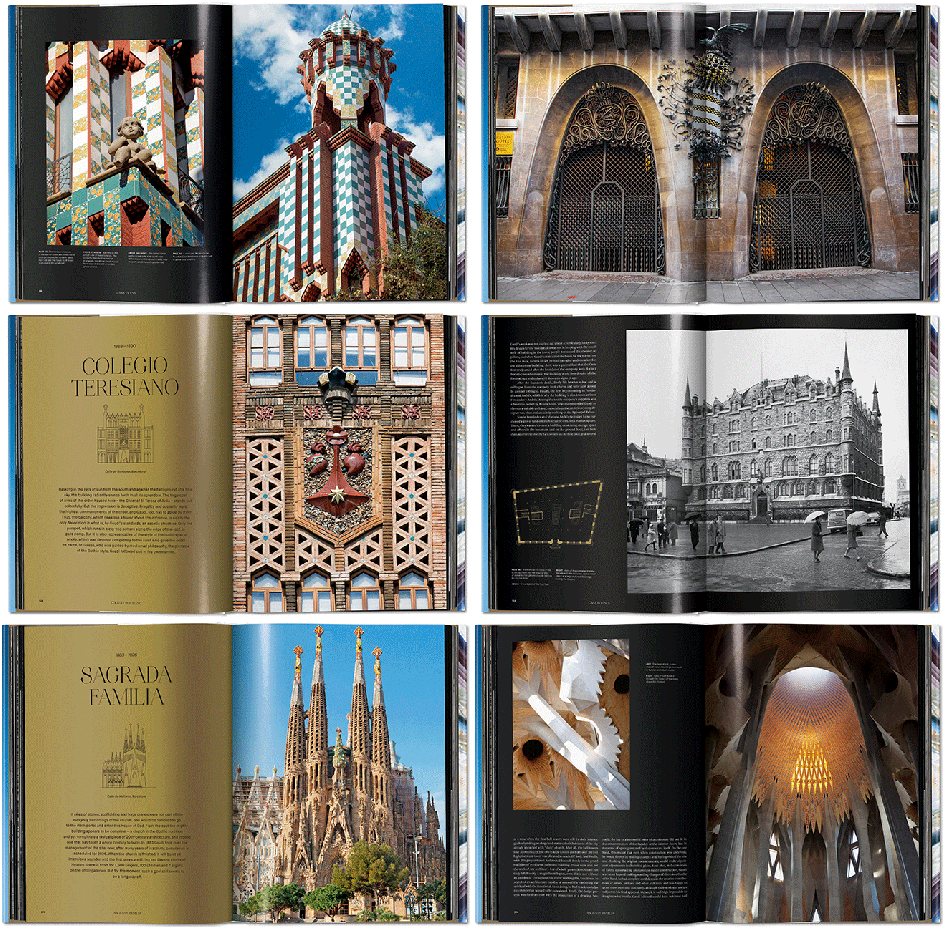
 Gaudí’s incomparable architecture channels much of this multifaceted intricacy. From the shimmering textures and skeletal forms of Casa Batlló to the Hispano-Arabic matrix of Casa Vicens, his work merged the influences of Orientalism, natural forms, new materials, and religious faith into a unique Modernista aesthetic. Today, his unique aesthetic enjoys global popularity and acclaim. His magnum opus, the Sagrada Familia, is the most-visited monument in Spain, and seven of his works are UNESCO World Heritage Sites.
 111 Years of Waldhaus Sils ranges across the hotel’s life and history. Founders Josef and Amalie Giger and their descendants, by now in the fifth generation, have guided the “house in the woods” with skill and fortitude through good times and bad through the twentieth century and into the present. The owners and their exceptionally diverse guests—lively families side-by-side with intellectuals and artists of world renown—have created a unique blend of luxury and modesty, historic grandeur and playful fun, smooth professionalism and unexpected idiosyncrasies.
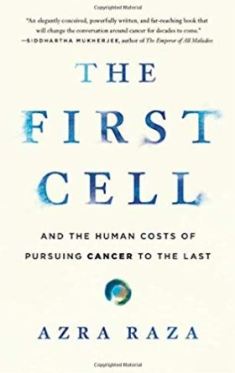 surgery, chemotherapy and radiation. We spend $150 billion each year treating cancer, yet a patient with cancer is as likely to die of it today — with a few exceptions — as one was 50 years ago. Today we spend the hour with renowned cancer doctor, Dr. Azra Raza, author of the new book, “The First Cell: And the Human Costs of Pursuing Cancer to the Last.” She argues that experiments and the funding for eradicating cancer look at the disease when it is in its later stages, when the cancer has grown and spread. Instead, she says, the focus should be on the very first stages — the first cell, as her book is titled. She says this type of treatment would be more effective, cheaper and less toxic.
 Intellicurious