

From a National Institute on Aging online release:
 First place prize awarded to MapHabit: This mobile software provides behavior prompts with customizable picture and keyword visual maps to assist memory-impaired people with accomplishing activities of daily living. The care management platform employs different interfaces depending on whether the user is a person with impaired memory, caregiver or long-term care community manager. Caregivers can monitor adherence to medication schedules or track other activities.
MapHabit, Inc., is the first place winner of the Improving Care for People with Alzheimer’s Disease and Related Dementias Using Technology (iCare-AD/ADRD) Challenge, sponsored by the National Institute on Aging (NIA). The Atlanta-based MapHabit team, led by Stuart Zola, Ph.D., will receive the $250,000 first prize for their mobile device application that helps people with dementia follow simple commands to perform daily tasks, such as taking pills and brushing teeth, and also provides feedback to caregivers. NIA is part of the National Institutes of Health.
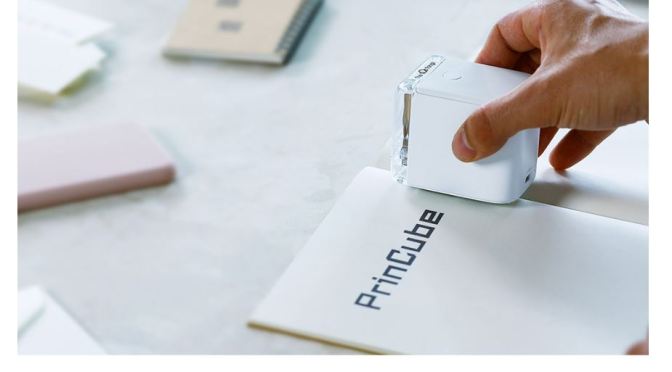
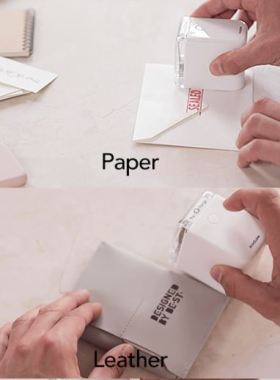 The PrinCube sits on the throne of being the smallest (and the lightest) handheld color-printer. With a swift motion of your hand, the printer rapidly prints out one line at a time, measuring up to 0.56 inches in thickness. PrinCube’s multi-line feature lets you extend your prints by printing up to nearly 10 feet of content line after line. The wireless printer conveniently pairs with any device like your phone, tablet, or even laptop over a Wi-Fi connection, and each individual ink cartridge can handle approximately 415 A4 pages worth of printing before replacing. The battery on PrinCube’s pretty remarkable too, with the ability to print for 6 continuous hours before needing a recharge via the Type-C port in the PrinCube’s size.
 Listen to the latest from the world of science, with Nick Howe and Shamini Bundell. This week, a milestone in quantum computing, and rethinking early mammals.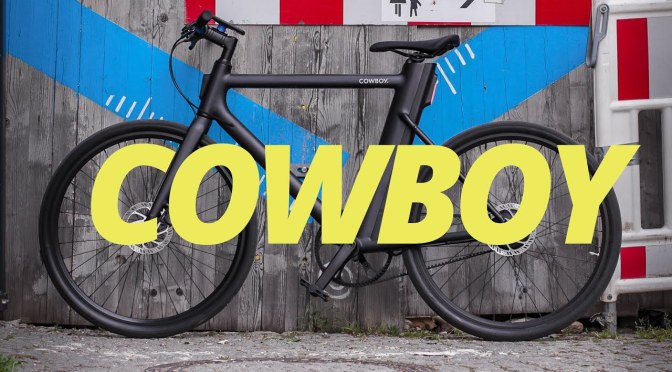
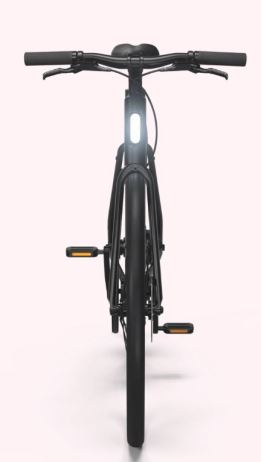 From the outside, the Cowboy e-bike is a sleek bike. It features a seamless triangle-shaped aluminum frame, integrated lights and a low-key Cowboy logo near the saddle. The handlebar is perfectly straight like on a mountain bike. The only sign that this is an e-bike is that the frame is much larger below the saddle.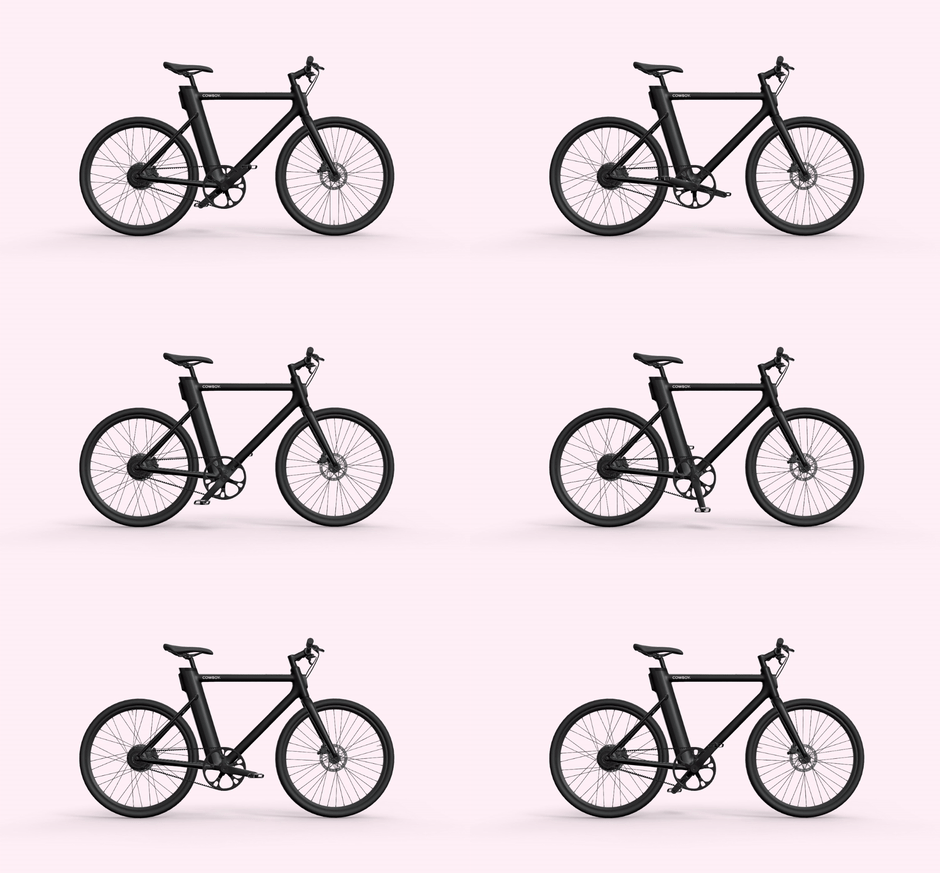

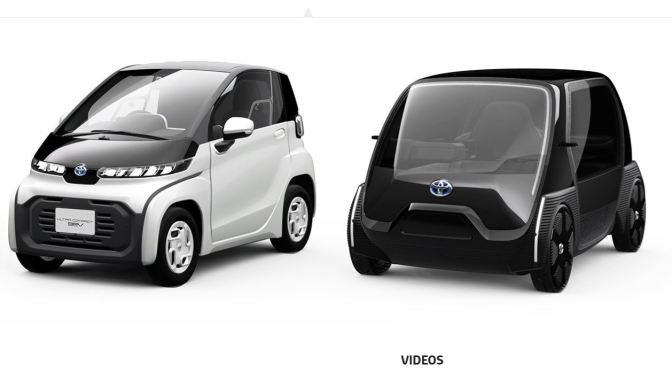
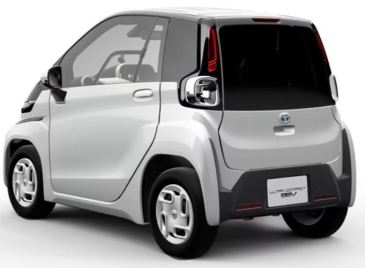 The ultra-compact, two-seater BEV is specifically designed to meet the daily mobility needs of customers who make regular, short-distance trips such as the elderly, newly licensed drivers, or business-people visiting local customers. It can be driven a range of approximately 100 km on a single charge, reach a maximum speed of 60 km/h, and features an extremely short turning radius.
 Even with a few months of 2019 left to go, we feel confident that the
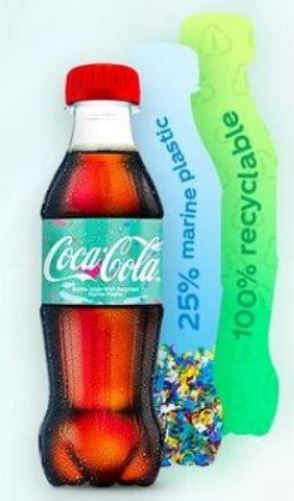 the recycling technology is the result of a partnership between coca-cola, the dutch startup ioniqa technologies and indorama ventures, one of
 Intellicurious