
 Listen to the latest from the world of science, with Nick Howe and Shamini Bundell. This week, a milestone in quantum computing, and rethinking early mammals.
In this episode:
00:43 A quantum computing milestone
A quantum computer is reported to have achieved ‘quantum supremacy’ – performing an operation that’s essentially impossible for classical computers. Research Article: Arute et al.; News and Views: Quantum computing takes flight; Editorial: A precarious milestone for quantum computing; News: Hello quantum world! Google publishes landmark quantum supremacy claim
08:24 Research Highlights
The world’s speediest ants, and the world’s loudest birdsong. Research Highlight: A land-speed record for ants set in Saharan dunes; Research Highlight: A bird’s ear-splitting shriek smashes the record for loudest song
10:19 The mammals that lived with the dinosaurs
Paleontologists are shifting their view of Mesozoic era mammals. News Feature: How the earliest mammals thrived alongside dinosaurs
18:00 News Chat
A Russian researcher’s plans to edit human embryos, and ‘prime editing’ – a more accurate gene editing system. News: Russian ‘CRISPR-baby’ scientist has started editing genes in human eggs with goal of altering deaf gene; News: Super-precise new CRISPR tool could tackle a plethora of genetic diseases

 In our second segment, we talk about how we think about children. For thousands of years, adults have complained about their lack of respect, intelligence, and tendency to distraction, compared with previous generations. A new study out this week in Science Advances suggests
  This week, a method for predicting follow-up earthquakes, and the issues with deep learning systems in AI.
 Listen to the latest from the world of science, with Benjamin Thompson and Shamini Bundell. This week, modelling embryonic development, and an analysis of male dominated conferences.
 Researchers have identified how Salmonella ‘persister’ cells can spread antibiotic resistance genes in mice intestines.
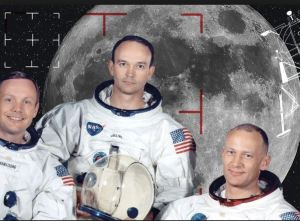 The first question is often ‘why haven’t we been back?’ Fifty years since humans stepped onto the surface of a foreign planetary body there has not been another event to rival it. Not in space, nor back here on Earth.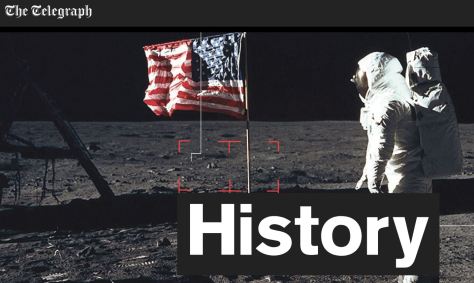
 Intellicurious