

From a Cornell University news release:
 “Another behavior change is physical exercise,” Pillemer said. “A paradox of pain is that exercise helps reduce it, but it’s difficult for people in pain to think about exercising. So they don’t exercise, they get more sedentary and the pain increases; it’s a vicious circle. So how do you get people to actually change their behavior?”
More than 100 million Americans suffer from chronic pain – outnumbering those affected by heart disease, diabetes and cancer combined.
To develop innovative approaches to pain management, a team of behavioral and social science researchers on Cornell’s Ithaca campus, clinical researchers at Weill Cornell Medicine and computer scientists at Cornell Tech has received a five-year, $3 million grant from the National Institute on Aging, part of the National Institutes of Health (NIH).
To read more: http://news.cornell.edu/stories/2019/10/nih-grant-will-fund-non-pharmacological-pain-research

 Researchers suggest that intensity is critical. Seniors who exercised using short, bursts of activity saw an improvement of up to 30 percent in
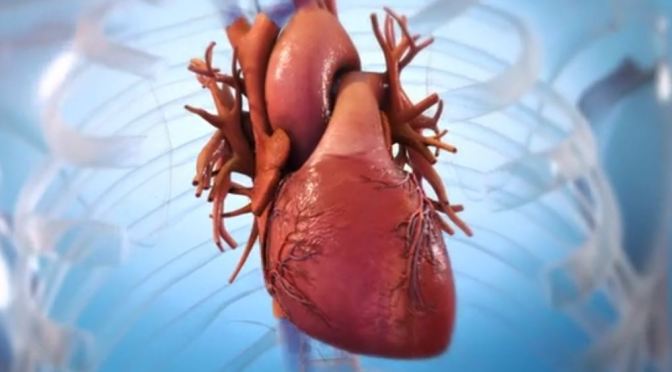
 “We are extremely proud of what we have accomplished, from the ability to 3D bioprint human cardiac tissue last summer to a mini heart with full structure now. These milestones are a testament to the hard work of our team and the proprietary process we have developed that enables this type of scientific achievement,” said Birla in a press release. “We believe we are at the forefront of whole heart bioengineering, a field that has matured quickly over the last year, and well-positioned to continue our rapid scientific advancement.”

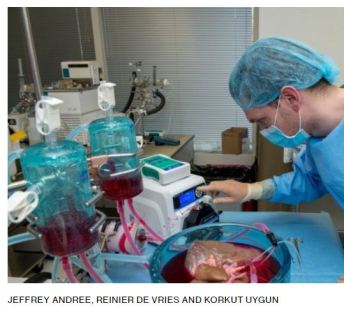 Researchers say they’ve successfully plunged human livers to subzero temperatures and then warmed them back up.

 Researchers have identified how Salmonella ‘persister’ cells can spread antibiotic resistance genes in mice intestines.
 A blood test to detect the brain changes of early Alzheimer’s disease has moved one step closer to reality. Researchers from Washington University School of Medicine in St. Louis report that they can measure levels of the Alzheimer’s protein amyloid beta in the blood and use such levels to predict whether the protein has accumulated in the brain. The findings represent a key step toward a blood test to diagnose people on track to develop the devastating disease before symptoms arise.

