A tiny new species of bird-like dinosaur has been discovered, preserved in a lump of 99-million-year-old amber. The tooth-filled skull is only 7.1mm long, suggesting that this ancient creature would have been the size of a hummingbird – far smaller than other dinosaurs known from that time. Unusual features include large, side-facing eyes and a large number of sharp teeth suggesting a predatory lifestyle. The species has been named Oculudentavis khaungraae and is evidence of previously unimagined biodiversity in the Mesozoic era.
Hear the latest science news, brought to you by Shamini Bundell and Nick Howe. This week, a newly discovered bird species from the time of the dinosaurs, and microbes hundreds of metres below the ocean floor.
Dental hygiene in the time of the Vikings, and wildebeest bones feed an African ecosystem. Research Article: Bertilsson et al; Research Article: Subalusky et al.
10:21 Deep sea life
Scientists have uncovered traces of life 750m below the ocean’s surface. Research article: Li et al.
Listen to the latest from the world of science, with Benjamin Thompson and Nick Howe. This week, improving computers’ image identification, and a new method for growing crystals.
To understand the structure of materials, researchers often have to grow them in crystal form. A new method aims to speed up this process. Research article: Sun et al.
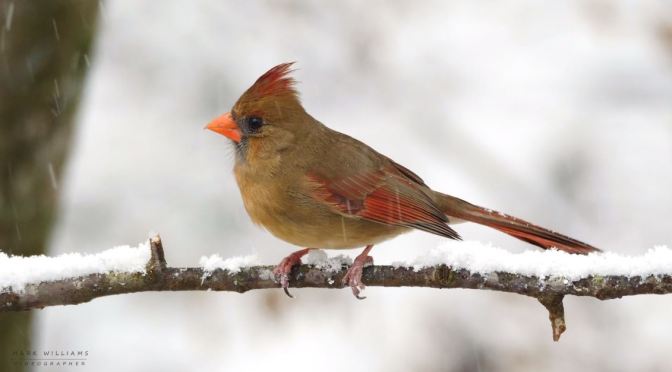
Significant snow and ice is uncommon here in North Georgia as our recent winters have been much warmer. Here are a few scenes that I have assembled of those rare occasions during the past 2 years at Amicalola Falls and my home.
In this edition of Backchat we take a deep dive into Nature’s coverage of coronavirus. As cases climb, what are some of the challenges involved in reporting on the virus?
This week, the brain pathways of egg laying in fruit flies, preventing fractures in metallic glass, moth’s fuzz as superior acoustic camouflage and a coronavirus update.
In this episode:
00:46 Working out the wiring behind fruit fly behaviour
Researchers have identified a neural circuit linking mating and egg laying in female fruit flies. Research Article: Wang et al.
Metallic glasses have many desirable properties, but these materials are prone to fracturing. Now, a new manufacturing process may have overcome this issue. Research article: Pan et al.; News and Views: Metallic glasses rejuvenated to harden under strain
Hear the latest from the world of science, brought to you by Nick Howe and Shamini Bundell. This week, uncovering the structure of materials with useful properties, and quantum entanglement over long distances.

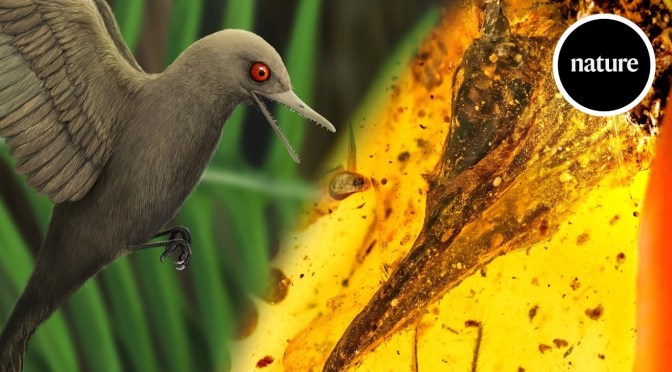
 Hear the latest science news, brought to you by Shamini Bundell and Nick Howe. This week, a newly discovered bird species from the time of the dinosaurs, and microbes hundreds of metres below the ocean floor.
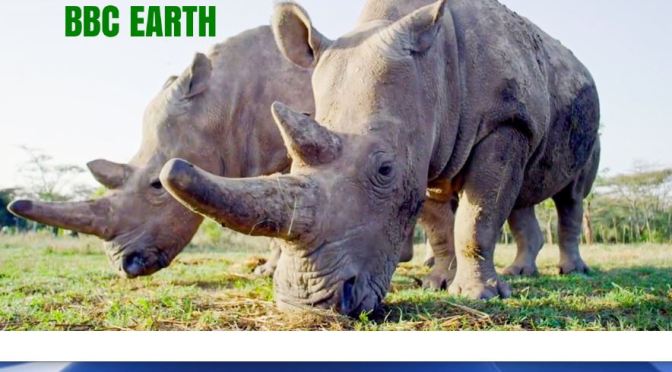
 Listen to the latest from the world of science, with Benjamin Thompson and Nick Howe. This week, improving computers’ image identification, and a new method for growing crystals.
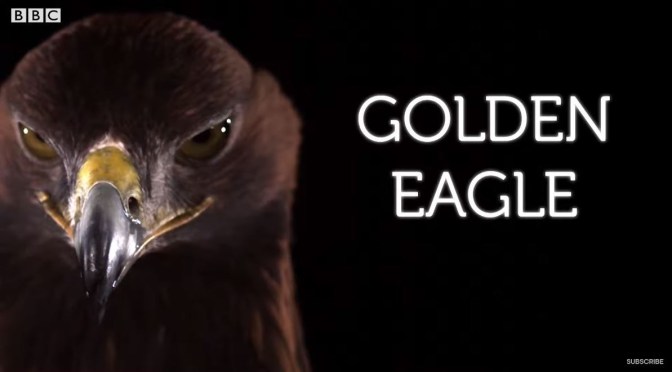
 How do feathers work? See just how the Golden Eagle carries its massive frame through the air in stunning slow motion.
 This week, machine learning helps batteries charge faster, and using bacterial nanowires to generate electricity from thin air.

