
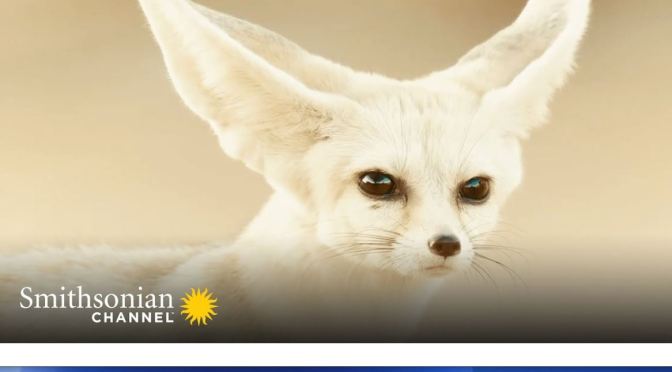
Fennec foxes, native to the deserts of North Africa, are the smallest canines on the planet, weighing in at just over two pounds. This is a sharp contrast to their most distinctive feature: a pair of oversized ears.
Tag Archives: Nature
Top Science Podcasts: ‘Ice Loss In Greenland, Long-Covid & Whale Deep Dive
How current and future ice loss in Greenland compares to the past, Long-Covid, and using graphene to make ultra-sensitive radiation detectors.
In this episode:
00:45 Greenland’s historic ice loss
Climate change is accelerating the loss of ice and glaciers around the world leading to unprecedented levels of disappearance. Researchers have drilled samples from deep in the Greenland ice sheet, to model how current, and future, losses compare to those seen in the last 12,000 years. Research Article: Briner et al.; News and Views: The worst is yet to come for the Greenland ice sheet; Editorial: Arctic science cannot afford a new cold war
09:23 Coronapod
Despite recovering from an initial COVID-19 infection, many patients are experiencing severe symptoms months later. We find out about the impact of ‘Long Covid’ and the research that’s being done to try and understand it. News Feature: The lasting misery of coronavirus long-haulers
18:55 Research Highlights
A robot defeats humans at yet another sport, and extreme diving in Cuvier’s beaked whales. Research Highlight: A robot triumphs in a curling match against elite humans; Research Highlight: A smiling whale makes a record deep dive
21:20 A radiation detector made of graphene
Radiation-detectors known as bolometers are vital instruments in many fields of science. This week, two groups of researchers have harnessed graphene to make super sensitive bolometers that could be used to improve quantum computers, or detect subtle traces of molecules on other planets. Research Article: Lee et al.; Research Article: Kokkoniemi et al.
27:49 Briefing Chat
We discuss some of the latest stories highlighted in the Nature Briefing. This week we chat about the lack of diversity in academia, and an animal ally that can protect wildlife during forest fires. Nature Careers: Diversity in science: next steps for research group leaders; National Geographic:
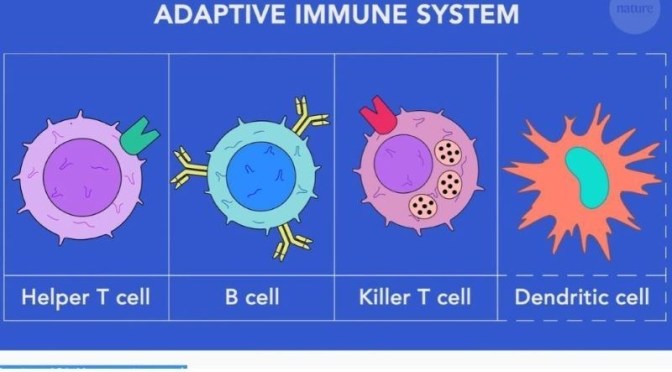
Health Videos: ‘How Vaccines Work With The Adaptive Immune System’
As the world waits for a potential COVID-19 vaccine, we delve into how vaccines actually work. What are the different types of vaccine? How do they trigger and train the immune system, and what is the role of herd immunity?
Top New Travel Videos: ‘Glacier Gorge’ – Rocky Mountain National Park
Glacier Gorge is considered one of the most beautiful and diverse areas in the Rocky Mountain National Park, Colorado.
Main locations in the video: Ribbon Falls (0:24), Black Lake (0:39), Frozen Lake (1:58), Green Lake (4:47), Blue Lake (6:00), back to Black Lake (7:01), Jewel Lake (7:30), Mills Lake (7:47).
Recorded July 2020 in 4K Ultra HD with Sony AX700 and DJI Osmo Pocket.
Music: Lauge & Baba Gnohm – Monolith EP (Remastered by HubySea) – 1 – Leaving the Cave
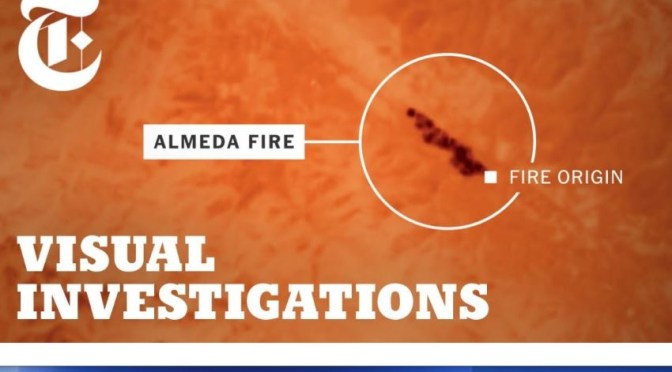
Video: ‘Origins Of The Destructive Almeda Wildfire In Oregon’ (NYT)
The Almeda fire left a path of destruction as it tore through the Rogue Valley in southern Oregon. About 24 hours after it started, an estimated 2,350 homes had been left in ashes. We used satellite images, videos and social media posts to track what happened.
Top Science Podcasts: The Vikings Migration Mapped, Covid-19 Trial Is Halted, Tiniest Ultrasound Device

Nature podcast discusses: Mapping the migration of the Vikings, a leading Covid-19 vaccine trial was abruptly halted and the world’s smallest ultrasound device.
In this episode:
00:45 Following the Viking footprint across Europe
To better understand who the Vikings were, and where they went, researchers have mapped genomes from hundreds of archaeological artifacts. Research Article: Margaryan et al.
08:00 Coronapod
Phase III trials of a leading coronavirus vaccine were abruptly paused last week – we discuss how news of the event leaked out, and the arguments for transparency in clinical trials. News: A leading coronavirus vaccine trial is on hold: scientists react; News: Scientists relieved as coronavirus vaccine trial restarts — but question lack of transparency; If you are involved in a clinical trial for a coronavirus vaccine or treatment, please fill in our survey.
21:05 Research Highlights
A burnt grain silo gives insight into ancient tax collection, and how hummingbirds survive the cold Andean nights. Research Highlight: Ancient tax collectors amassed a fortune — until it went up in smoke; Research Highlight: Why some of the world’s zippiest birds go stiff and cold every night
23:40 Ultra-tiny ultrasound
Scientists have developed an ultrasound detector which is smaller than the wavelength of sound it detects, providing highly detailed imaging at a cellular level; Research Article: ; Research Article: Shnaiderman et al.
29:53 Briefing Chat
We discuss some of the latest stories highlighted in the Nature Briefing. This week we talk about why California has an orange hue, and the strangeness at the edge of the Solar System. Forbes: The Science Behind Mysterious Orange Skies In California; BBC Future: The weird space that lies outside our Solar System
Top New Science Podcasts: Cooling Computer Chips, Covid-19 & Avalanches
Nature looks at: Keeping electronics from overheating, Covid-19 changes, and how to include minority populations in genetic analyses.
In this episode:
00:46 Cool computers
Keeping components cool is a major hurdle when it comes to increasing electronic power. This week, we find out about a new way to integrate tiny microfluidic channels directly into circuits, to help keep them cool. Research Article: van Erp et al.
06:57 Coronapod
By comparing coronavirus genomes taken from people around the world, researchers are getting an idea of how SARS-CoV-2 is changing as it spreads. We discuss a particular genetic mutation that rapidly became dominant early in the pandemic, and the effect it may have had on the outbreak. News: The coronavirus is mutating — does it matter?
21:41 Research Highlights
How rock avalanches can cause destructive air blasts, and melting glaciers cause lakes to grow. Research Highlight: The violent blasts that can add to an avalanche’s devastation; Research Article: Shugar et al.
23:59 The people left out of genetic studies
Minority populations are often underrepresented in genetic study recruitment. However, even when data about them is collected it may go unused. We find out why, and what can be done about it. Comment: Don’t ignore genetic data from minority populations
30:51 Briefing Chat
We discuss some of the latest stories highlighted in the Nature Briefing. This week we discuss how bacterially-infected mosquitoes could curb dengue fever, and some surprisingly large black holes. Nature News: The mosquito strategy that could eliminate dengue; Nature News: ‘It’s mindboggling!’: astronomers detect most powerful black-hole collision yet
Top New Science Podcasts: Yeasts Making Medicine, Covid-19 & Anaesthesia
Nature reviews: Engineering yeast to produce medicines, immunity to Covid-19, and the mechanism of anaesthetic action.
In this episode:
00:44 Making medicine with yeast
The tropane alkaloids are an important class of medicine, but they are produced agriculturally leaving them vulnerable to extreme weather and world events. Now, researchers have engineered yeast to produce these important molecules. Research Article: Srinivasan and Smolke
06:36 Coronapod
We discuss the complex story of immunity to COVID-19, and how this may affect vaccine development. News Feature: What the immune response to the coronavirus says about the prospects for a vaccine
16:33 Research Highlights
The neurological reason for overindulgence, and the bacteria that harness copper electrodes. Research Highlight: The brain circuit that encourages eating for pleasure; Research Highlight: Microbes with mettle build their own electrical ‘wires’
19:07 The molecular mechanisms of general anaesthetics
Despite over a century of use, there’s a lot we don’t know about how anaesthetics function. This week, researchers have identified how some of them they bind to a specific neuronal receptor. Research Article: Kim et al.
26:34 Briefing Chat
Whilst the Nature Briefing is on its summer holidays, we take a look at some other science from around the web. This time we discuss Elon Musk’s latest showcase of a brain-chip, and the physics behind how boats can float upside down on levitating liquid. New Scientist: Elon Musk demonstrated a Neuralink brain implant in a live pig; Business Insider: Elon Musk’s AI brain chip company Neuralink is doing its first live tech demo on Friday. Here’s what we know so far about the wild science behind it.; Research Article: Apffel et al.; Video: The weird physics of upside down buoyancy
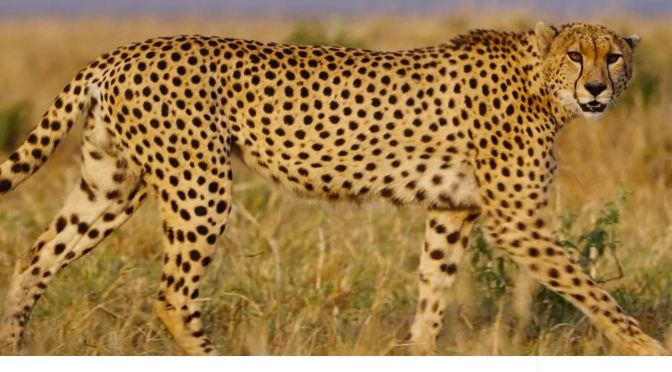
African Wildlife Videos: The “Cheetahs, Lions & Elephants Of Africa”
Top New Science Podcasts: Damaged Quantum Bits, Convalescent Plasma & Ancient Ichthyosaurs
August 26, 2020: Protecting delicate quantum bits from radiation, convalescent plasma for serious Covid-19 patients and a competition to replicate findings from ancient computer code.
In this episode:
01:04 Quantum computers vs ionizing radiation
The quantum bits, or ‘qubits’, central to the operation of quantum computers are notoriously sensitive. Now, researchers have assessed the damaging effects that ionizing radiation can have on these qubits and what can be done about it. Research Article: Vepsäläinen et al.
08:15 Coronapod
We discuss the US Food and Drug Administration’s decision to authorize convalescent plasma for emergency use in COVID-19 patients. As accusations of political interference fly, what might this mean for the future of the US coronavirus response?
20:39 Research Highlights
Finding new populations of a long-lost elephant shrew, and the hunting method of ancient ichthyosaurs. Research Highlight: An elephant-nosed creature ‘lost to science’ was living just next door; Research Highlight: An extinct reptile’s last meal shows it was a grip-and-tear killer
22:34 The reproducibility of computer code
Many scientists have published papers based on code. Recently though, a gauntlet was thrown down for researchers to try to replicate their code, 10 years or more after they wrote it. Tech Feature: Challenge to scientists: does your ten-year-old code still run?
28:06 Briefing Chat
We take a look at some highlights from the Nature Briefing. This time we discuss a cancer diagnosis in a dinosaur, and how to brew yourself a career outside of academia. Science: Doctors diagnose advanced cancer—in a dinosaur; Nature Careers Feature: The brews and bakes that forged career paths outside academia

