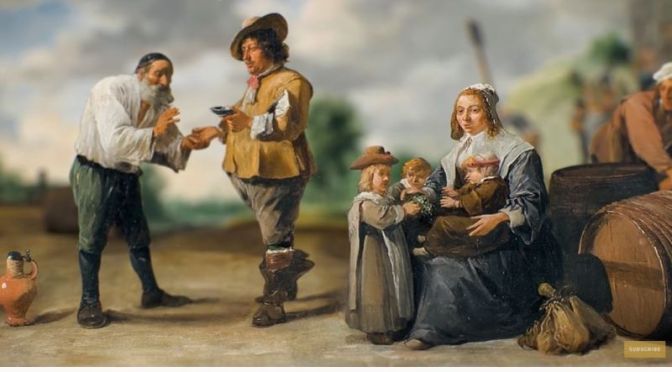
Hear the voice of Downton Abbey star Jim Carter bring to life David Teniers’ monumental depiction of a 17th-century wine harvest. Immerse yourself in Teniers’ unrivalled talent for storytelling as we see grape harvesters unloading their bounty, coopers fixing up wine barrels, a wine merchant sealing a deal, and worse for wear villagers raising their glasses to the temple of Bacchus. Unseen in over a century, ‘The Wine Harvest’ is the finest work by Teniers to come to market in living memory.
David Teniers the Younger or David Teniers II was a Flemish Baroque painter, printmaker, draughtsman, miniaturist painter, staffage painter, copyist and art curator. He was an extremely versatile artist known for his prolific output.
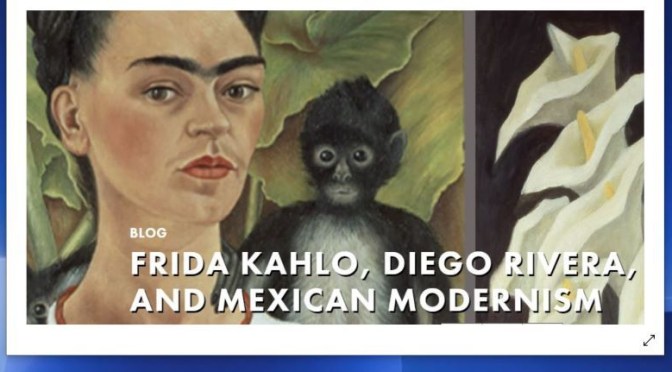
“Frida Kahlo, Diego Rivera, and Mexican Modernism from the Jacques and Natasha Gelman Collection” is on view at the Denver Art Museum through January 24, 2021.
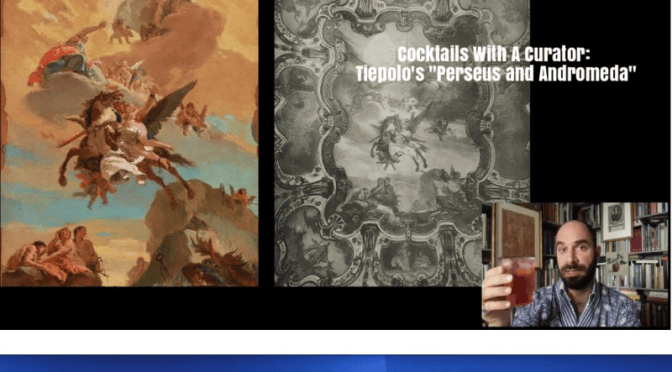
In this week’s episode of “Cocktails with a Curator,” Deputy Director and Peter Jay Sharp Chief Curator Xavier F. Salomon considers the fragility of art in the context of the Frick’s “Perseus and Andromeda” by Giambattista Tiepolo. This depiction of the Greek demigod saving Andromeda from a sea-monster is a preparatory sketch for a series of ceiling frescoes at Palazzo Archinto in Milan that were destroyed during an Allied bombing in 1943. The painting was featured in an acclaimed 2019 exhibition at the Frick that brought together the surviving preparatory works and pre-war photography to tell the story of these lost masterpieces. This week’s complementary cocktail is a Milanese Gin and Tonic.
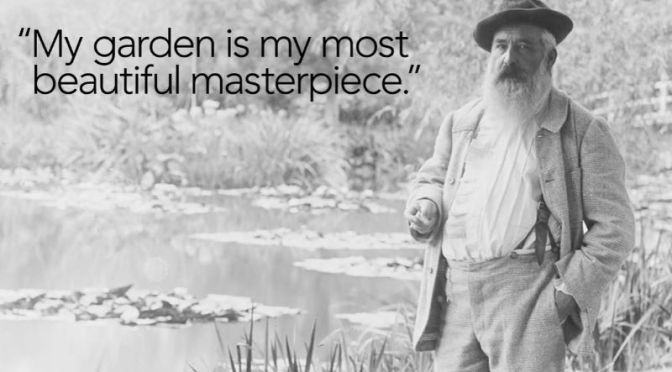
Often called the Father of Impressionism, Claude Monet inspired the term that defined this movement. Born in Paris, Monet would later live in Giverny, where he purchased a property, planted sprawling gardens, and painted his famous water lilies. https://www.philamuseum.org/collectio…
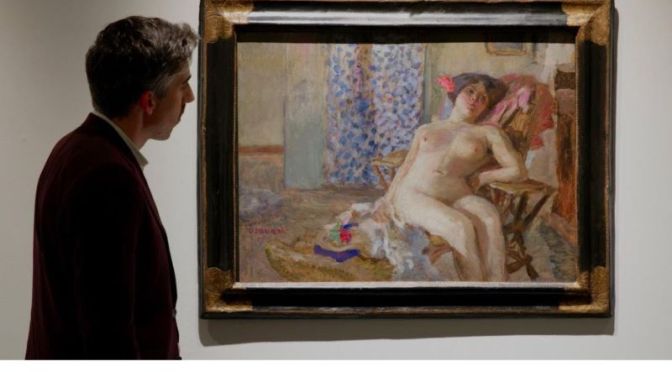
In this episode of Expert Voices, Scott Niichel examines three captivating works by Pierre Bonnard. Bonnard explores variations in colors and light in a way no other artist can; in effect, the artist builds a bridge between Impressionism and Modernism.
Pierre Bonnard was a French painter, illustrator, and printmaker, known especially for the stylized decorative qualities of his paintings and his bold use of color.
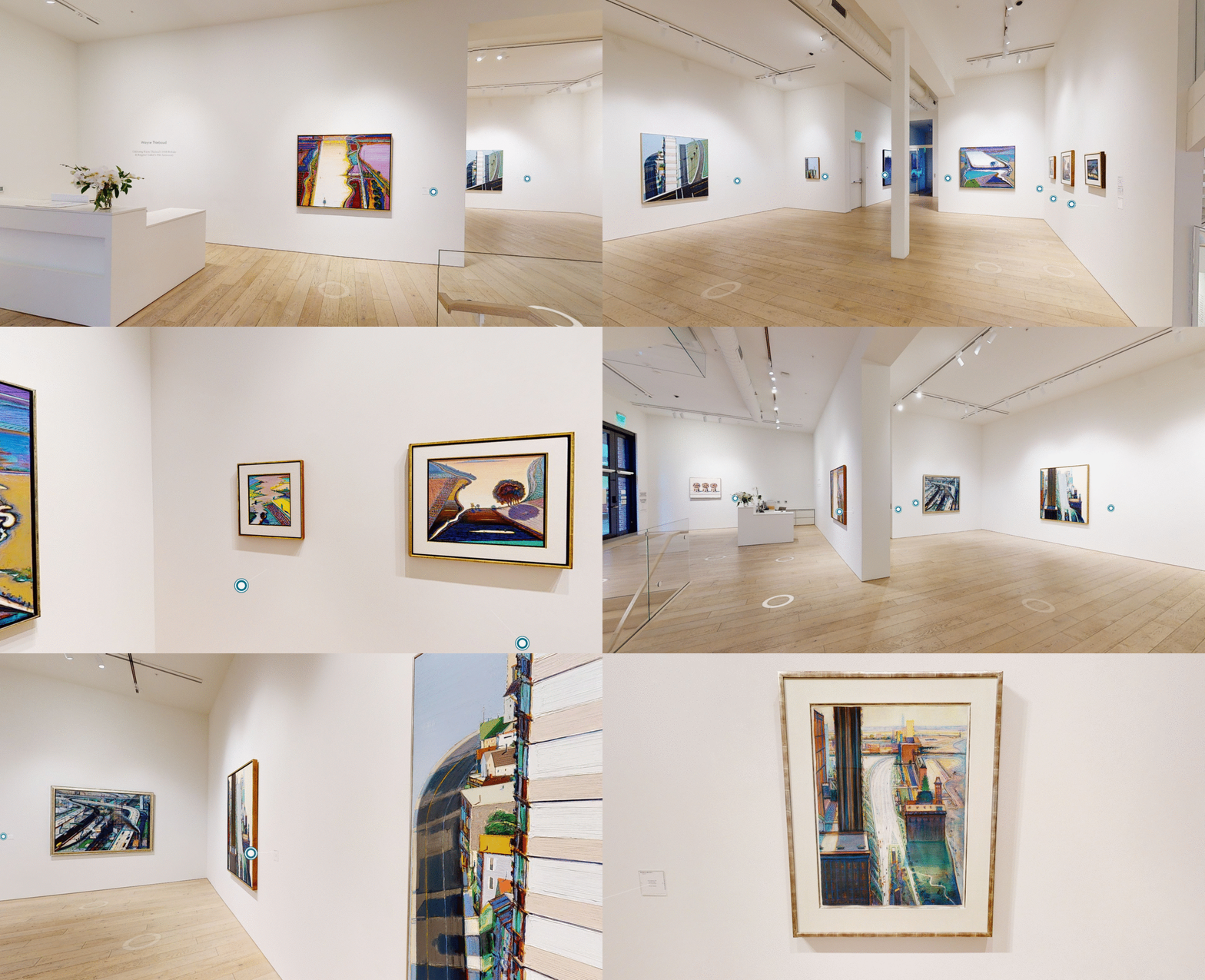
A monumental survey, Wayne Thiebaud features over fifty paintings, works on paper, and limited-edition prints—many of which are rarely exhibited works from private collections and museums. Among the early works in the exhibition is the iconic Three Machines (1963)—courtesy of the Fine Arts Museums of San Francisco—a dynamic painting of three gumball machines filled with colorful candy orbs in which “tangible reality and abstraction intermix as one.”
Berggruen Gallery is honored to present Wayne Thiebaud, an exhibition of paintings, works on paper, and prints from 1961 to present by one of the preeminent living American artists, Wayne Thiebaud. This show marks the gallery’s seventh solo exhibition of Thiebaud’s work since his first show with John Berggruen Gallery in 1973. The gallery is especially proud to hold this exhibition in honor of two very special occasions: Wayne Thiebaud’s 100th birthday and Berggruen Gallery’s 50th anniversary. Wayne Thiebaud will be on view October 16 through November 28, 2020.
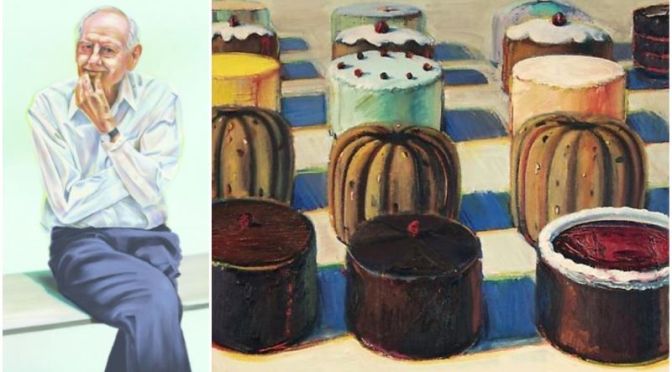
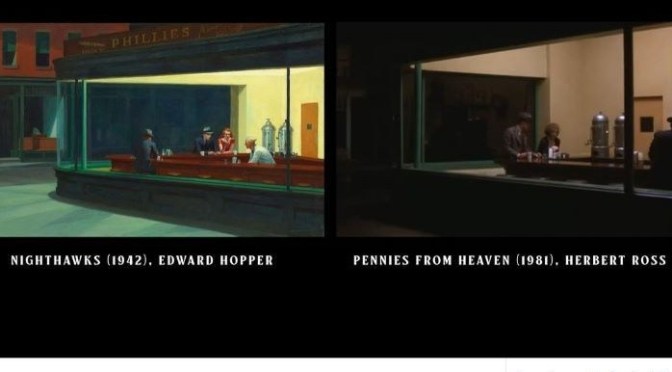
Spanning six decades, Wayne Thiebaud highlights the artist’s most quintessential, significant, and compelling work from the near entirety of his career. Thiebaud is most often recognized for his delectable still life paintings of confections, from slices of pie arranged in rows to bakery cases filled with intricately decorated cakes to dishes of colorful lollipops and candies. With paint as thick as frosting, Thiebaud’s illustrative depictions emphasize his subject matter’s physicality. Ornately decorated, densely outlined, and starkly shadowed, Thiebaud’s treats sit for the viewer masterfully rendered and enticing. Though the artist rose to prominence for such paintings, Thiebaud is now renowned for a vast breadth of subject matter—steep and winding cityscapes, saturated expanses of the Sacramento Valley, and attentive portraiture of friends or everyday figures. Art critics have connected his work to a breadth of art movements, analogizing his figurative work to that of esteemed American painter Edward Hopper and his aptitude for still life painting to that of 18th century French artist Jean-Baptiste-Siméon Chardin. Yet overall, Thiebaud’s prolific career defies singular movements and art historical references. Altogether, he simply reflects something authentically, emotionally, and uniquely American.CNiMdewz
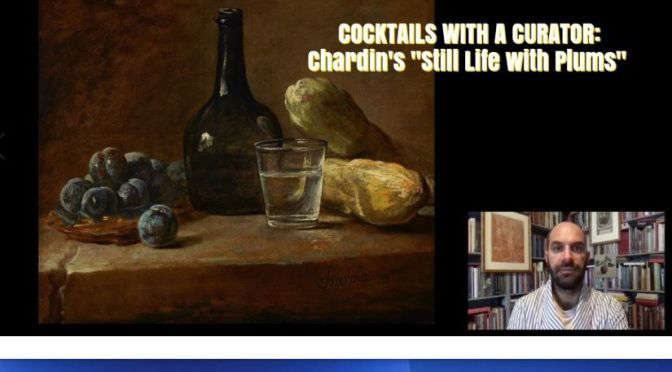
In this week’s episode of “Cocktails with a Curator,” join Deputy Director and Peter Jay Sharp Chief Curator Xavier F. Salomon as he explores the magical brushstrokes of the first still life painting to enter The Frick Collection—one that will be very familiar to devotees of this series. Acquired at the end of World War II by the museum’s trustees, Jean-Siméon Chardin’s “Still Life with Plums” is a beautiful example of the artist’s skilled portrayal of light refracted and reflected by everyday objects. Xavier has paired this episode with a Gin Martini with a twist.
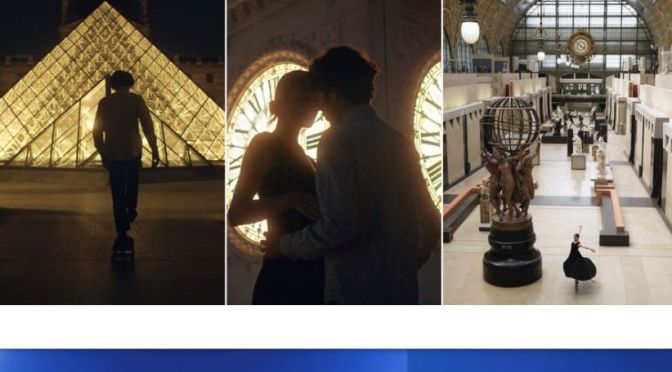
A love story between a ballet dancer and a Parisian skateboarder in empty French museums. The union of two bodies in motion through time and history of art. Two souls intimately linked, each one appropriating their own space to revive the works of art. Museum : an epic and lyrical journey between shadows and lights combining classical ballet and skateboarding.
Directed by Marin Troude & Tristan Helias Produced by Tristan Helias Ballet dancer : Victoria Dauberville Skateboarder : Tristan Helias Musée d’Orsay : Laurence Des Cars, Amélie Hardivillier, Marion Guillaud, Fanny Livet CMN : Philippe Béleval, Jill Ickowicz Script : Tristan Helias, Marin Troude Art direction : Marin Troude, Tristan Helias Ballet choreography : Victora Dauberville Cinematography : Killian Lassablière & Marin Troude
News, Views and Reviews For The Intellectually Curious

 Intellicurious