Category Archives: Wildlife

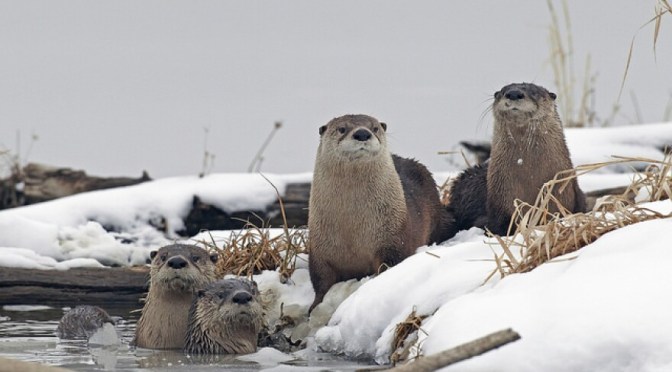
Views: North American River Otters In Maine

“Sunday Morning” visits otters on the hunt for fish at a pond in Portland, Maine. Videographer: Mauricio Handler.

 The North American River Otter (Lontra canadensis) is the species of otter found in Maine, and you’ll find lots of them along the entire coast (and probably inland as well). River otters are mostly nocturnal members of the weasel family (Mustelidae) and rather large, growing up to 3.5 feet long and weighing around 30 pounds. They are referred to as “semi-aquatic,” since they spend most of their waking hours in water and come to land when denning, moving from one body of water to another, or marking a territory.

National Parks: Yosemite (National Geographic)

Yosemite National Park, scenic mountain region in east-central  California, U.S. It is situated about 140 miles (225 km) east of the city of San Francisco and some 100 miles (160 km) southeast of  Sacramento.  Devils Postpile National Monument lies about 15 miles (25 km) to the east, and Kings Canyon National Park is about 40 miles (65 km) to the southeast. The park, surrounded on all sides by national forest  lands,  encompasses 1,189 square miles (3,080 square km). It was designated a UNESCO World Heritage site in 1984. Park headquarters are located at Yosemite Village in Yosemite Valley, in the west-central part of the park.

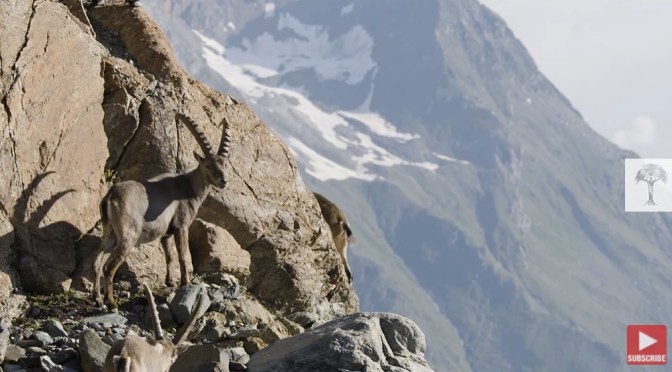
Wildlife: The Alpine Ibex – Return From Extinction

The ibex is the king of the Alps, famed for its curved horns and extreme climbing skills. But for centuries, these mountain goats were hunted by humans – to the very brink of extinction. A royal hunting reserve in Italy saved the Alpine ibex, but is climate change now threatening them all over again? We tell the story of their remarkable comeback and ask what the future might hold.

The Alpine ibex, also known as the steinbock, bouquetin, or simply ibex, is a species of wild goat that lives in the mountains of the European Alps. It is a sexually dimorphic species: males are larger and carry longer, curved horns than females. Its coat colour is typically brownish grey. 

Wilderness: Yellowstone National Park Celebrates 150 Year Anniversary

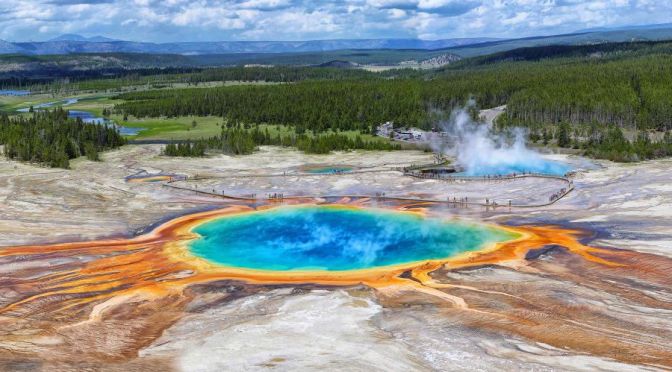
Yellowstone National Park is a nearly 3,500-sq.-mile wilderness recreation area atop a volcanic hot spot. Mostly in Wyoming, the park spreads into parts of Montana and Idaho too. Yellowstone features dramatic canyons, alpine rivers, lush forests, hot springs and gushing geysers, including its most famous, Old Faithful. It’s also home to hundreds of animal species, including bears, wolves, bison, elk and antelope. 

Massachusetts Views: Seals At The Parker River National Wildlife Refuge

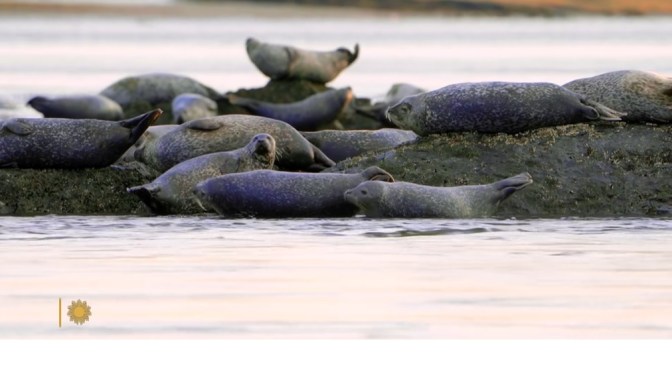
“Sunday Morning” leaves you today with seals sunning at the Parker River National Wildlife Refuge in Newburyport, Massachusetts (with some snowy owls looking on). Videographer: Michael Clark.

Parker River National Wildlife Refuge is a wildlife sanctuary encompassing the majority of Plum Island in northeastern Essex County, Massachusetts, 5 miles southeast of Newburyport. It was established in 1942 primarily to provide feeding, resting, and nesting habitats for migratory birds.

The harbour seal, also known as the common seal, is a true seal found along temperate and Arctic marine coastlines of the Northern Hemisphere. The most widely distributed species of pinniped, they are found in coastal waters of the northern Atlantic, Pacific Oceans, Baltic and North Seas.

Views: Gannets In Cape Kidnappers, New Zealand

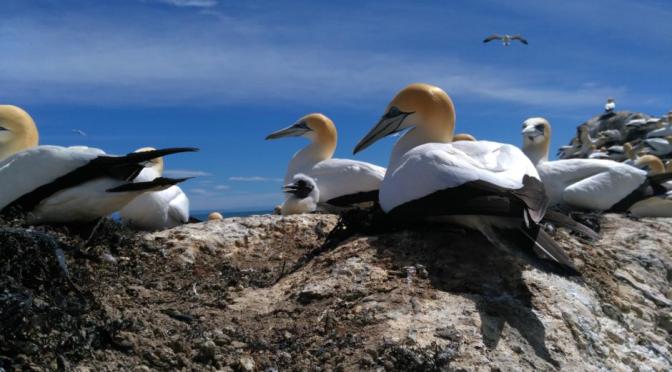
We leave you this Sunday morning at Cape Kidnappers in New Zealand, with gannets, who mate for life. Videographer: Jaime McDonald.

Australasian gannets nest in dense breeding colonies on the New Zealand mainland and coastal rocks and islands, as well as off south-east Australia and Tasmania. Although gannets can be seen occasionally from most places along the coasts of the New Zealand main islands, most gannetries are situated off the North Island. The largest mainland gannetry is at Cape Kidnappers, with around 5,000 breeding pairs. Other mainland breeding sites include Muriwai and Farewell Spit.

Australasian gannets mostly feed on waters over the continental shelf. They prefer flat ground for nesting, rather than cliff ledges. Breeding colonies are mostly situated at sites that are completely or largely surrounded by the sea, i.e. on islands or headlands.

Cape Kidnappers, also known as Te Kauwae-a-Māui and officially known as Cape Kidnappers / Te Kauwae-a-Māui, is a headland at the southeastern extremity of Hawke’s Bay on the east coast of New Zealand’s North Island and sits at the end of an 8 kilometres peninsula which protrudes into the Pacific Ocean.

Nature: ‘Riverwoods – An Untold Story’ (Video)

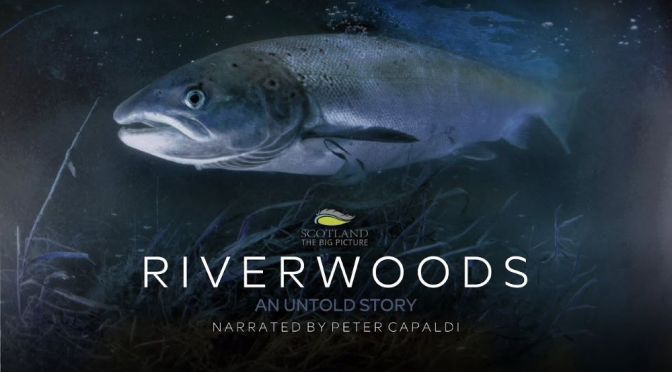
Throughout Scotland, the fractured connections between salmon and the landscapes through which their rivers flow, are gradually being repaired through the foresight and positive actions of many different people. This spring, the Riverwoods documentary will embark on a 12-venue screening tour across Scotland, bringing this untold story to life.

Short Film: ‘Game Hawker’ The Art Of Falconry (2022)

For Shawn Hayes, the ancient practice of falconry is more than a deep connection with raptors. It’s his life’s work. As an American falconry ambassador, he’s carved a space for himself where people of color haven’t always been welcome.

In collaboration with Patagonia Films.

Director: Brett Marty & Josh Izenberg
Cinematography: Owen Bissell
Editor: Traci Loth

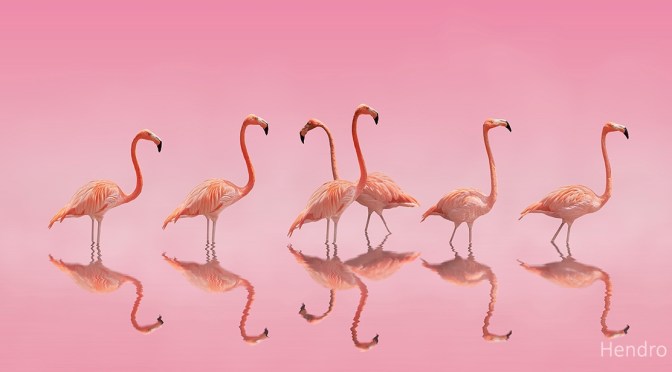
Nature Photography: The Art Of Hendro Soetrisno

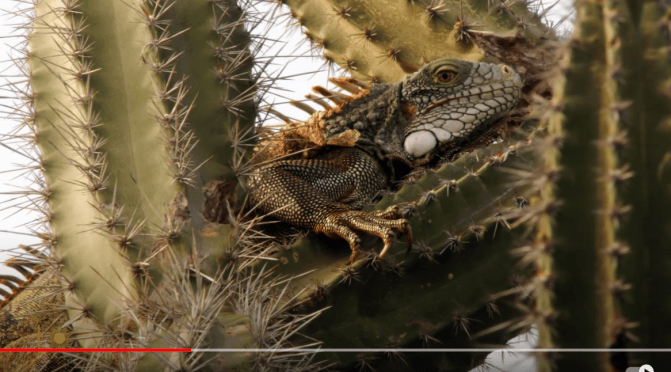
Curacao Views: Iguanas At Christoffel National Park

We leave you this Sunday at Curacao’s Christoffel National Park, where it’s the day of the iguanas. Videographer: Mauricio Handler.

Curaçao, island in the Caribbean Sea and a country within the Kingdom of the Netherlands. It is situated some 37 miles (60 km) north of the coast of Venezuela. Although physiographically part of the South American continental shelf, Curaçao and neighbouring islands off the northern coast of South America are usually considered to constitute the southwestern arc of the Lesser Antilles. The capital is Willemstad.

Christoffelpark is the largest national park of Curacao and a must see for everyone. The park has a rich variety of local flora and fauna. Nature lovers will find the park teeming with local birds and plants, including species, which are not easily seen elsewhere on the island. For example wild orchids, the Palabrua, the rare native barn owl. The Curacao White Tailed deer (of which there are only about 250 left) and much more.