Tech ownership among older adults is growing with no signs of slowing down.
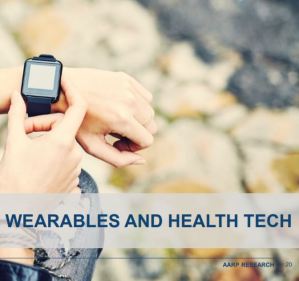 • For many devices, adoption among adults ages 50 and older is comparable to younger generations. Adults ages 50
and older are adopting smartphones, wearables, home assistants/smart speakers, and smart home technology at
nearly the same rate as adults ages 18–49.
• Younger adults have abandoned tablets, but older adults are adopting tablets at an increasing rate: More than half
(52%) of adults ages 50 and older own a tablet.
• Once adopted, usage of smartphones, wearables, tablets, home assistants/smart speakers, and smart home
technology is high with most owners using their technology daily.
While older adults are highly engaged with their devices, many are not using the technology to its full potential.
• Adults ages 50 and older are using smartphones and tablets to maintain social connections, find information, and for
entertainment, but only a few are using their device to automate their home or conduct transactions.
• Engaging in social media is one of the most common uses of a tech device (e.g., computer, tablet, or smartphone).
• Though 49% claim to own a smart TV, only 42% are using streaming or online options to watch shows.
• Nearly half (46%) of all smart home assistant/smart speaker owners do not use their device daily.






 Introducing the LivingHome AD1: The Versatile Accessory Dwelling Unit (ADU). This one bedroom, one bath ADU is designed to provide affordable, sustainable rental units or family housing on existing single family lots. Finish options include three packages for interior and three for exterior, giving owners a total of nine standard configurations to choose from.









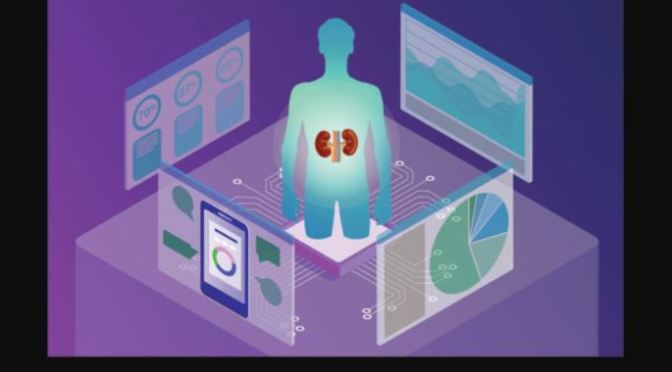
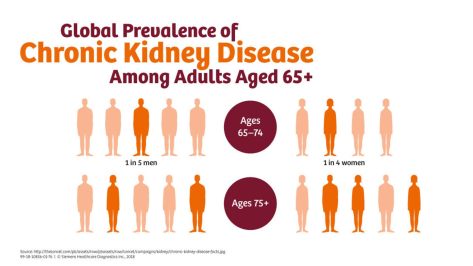
 Smartphone app-based platforms for urine testing could improve adherence to albumin creatinine ratio (ACR) testing. One study showed screening of at-risk patients almost doubled with a home urine test kit that uses a smartphone camera to easily and accurately quantify ACR from a user-performed urine dipstick. If independently validated in a large, diverse population, this low-cost strategy could change the often dim trajectory for individuals with declining kidney function.