Residential solar panels and battery backups are becoming more and more popular as efficiency rises and costs sink. This explosion in distributed solar makes a new idea possible: virtual power plants, or a smart network of individual solar panels that can act like a big power plant when electricity is needed most. And as extreme weather threatens many communities, this idea is arriving in the nick of time.
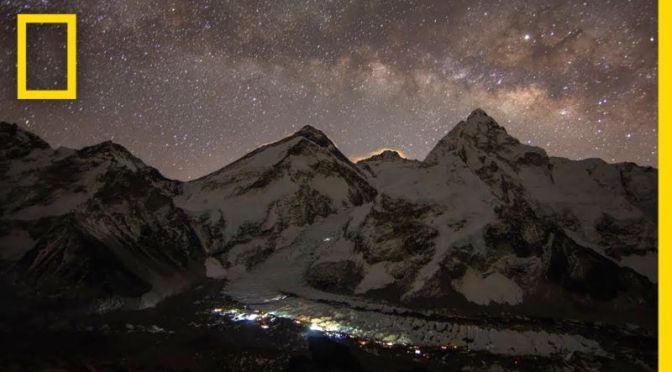
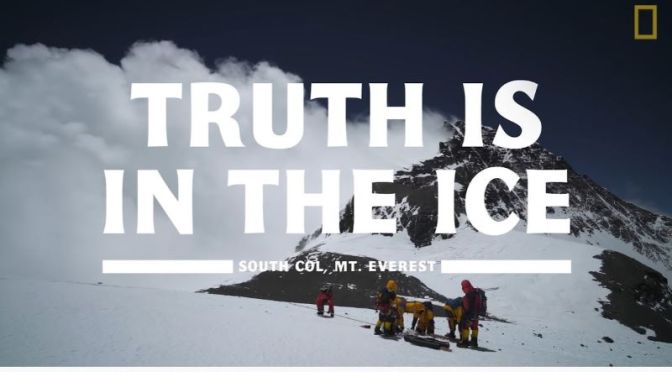
In 2019, members of the National Geographic and Rolex Perpetual Planet Everest Expedition set out to install five new weather stations on Mt. Everest, including the highest weather station on Earth. Follow along as the team climbs into the mountain’s “death zone” to complete the network of weather stations in order to improve our understanding of climate change.
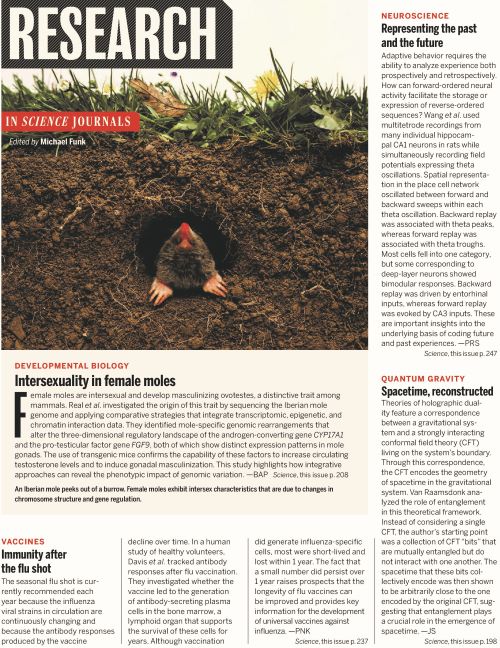
A high pressure experiment reveals the world’s first room-temperature superconductor, and a method to target ecosystem restoration.
In this episode:
00:44 Room-temperature superconductivity
For decades, scientists have been searching for a material that superconducts at room temperature. This week, researchers show a material that appears to do so, but only under pressures close to those at the centre of the planet. Research Article: Snider et al.; News: First room-temperature superconductor puzzles physicists
08:26 Coronapod
The Coronapod team revisit mask-use. Does public use really control the virus? And how much evidence is enough to turn the tide on this ongoing debate? News Feature: Face masks: what the data say
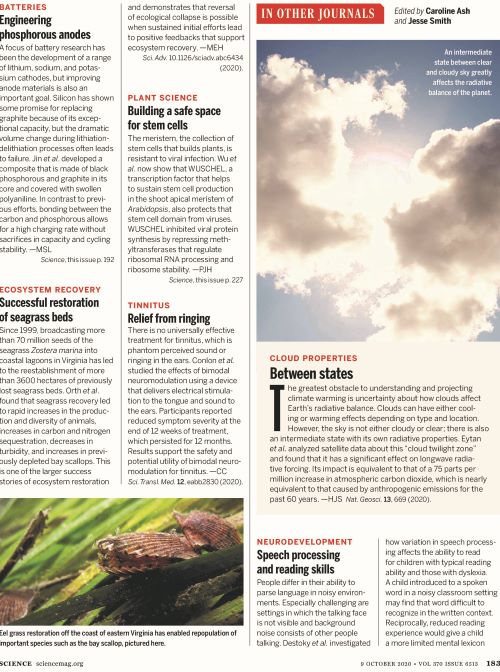
Restoring degraded or human-utilised landscapes could help fight climate change and protect biodiversity. However, there are multiple costs and benefits that need to be balanced. Researchers hope a newly developed algorithm will help harmonise these factors and show the best locations to target restoration. Research Article: Strassburg et al.; News and Views: Prioritizing where to restore Earth’s ecosystems
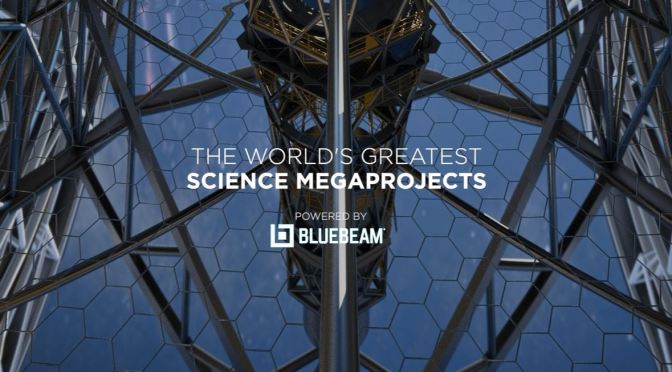
Opening new frontiers, vaccinating billions and unlocking the secrets of our universe these are the world’s most incredible science megaprojects. This video is powered by Bluebeam.
See how Bluebeam Revu was used at the European Spallation Source – https://bit.ly/312O4nk
As part of the National Geographic and Rolex Perpetual Planet Everest Expedition, a team of scientists and Sherpa guides sets out to collect information about glacial change in the Himalayas. By extracting ice cores from the highest glacier in the world, the team has begun to uncover details about climate change that have – until now – been hidden in this hard-to-reach ice. The National Geographic Society uses the power of science, exploration, education, and storytelling to illuminate and protect the wonder of our world.
Nature versus nurture is a debate as old as science itself,and in a new paper maternal behaviours are innate or learned, by looking at the neurological responses of adult mice to distress calls from mice pups. Research Article: Schiavo et al.
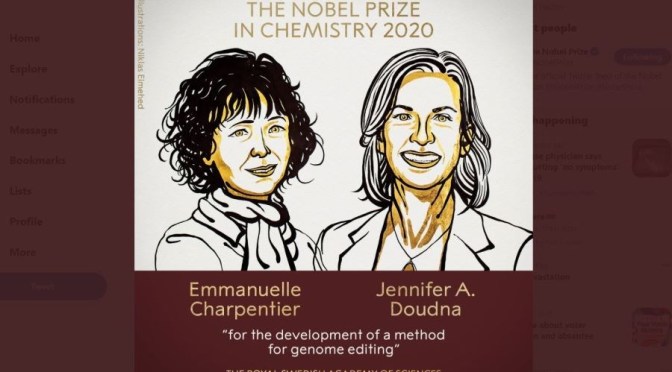
“We had a sense that we were onto something big,” says Jennifer Doudna, as she recalls the start of her “curiosity-driven” research into CRISPR and reflects on the pace of the field today, in this short conversation with Adam Smith. Speaking from her patio in the early morning in Palo Alto, Doudna describes how she was woken by a call from a journalist: “I assumed she was calling me to ask me to comment on somebody else winning the Nobel Prize!” The award of the prize to her and Emmanuelle Charpentier will, she hopes, be an encouragement to other women. “Sometimes,” she comments, “there’s a sense that no matter what they do, their work will not be recognised in the way it would be if they were a man.”
In this interview recorded shortly after news broke of her Nobel Prize in Chemistry, Emmanuelle Charpentier tells Adam Smith of her surprise at receiving the call from Stockholm, despite considerable speculation that it might be coming her way. She speaks of the “explosion of knowledge and publications” that the CRISPR field has generated, the motivations behind her “brief but intense” collaboration with her co-Laureate Jennifer Doudna, the need for societal involvement in the conversation about the applications of technology and the importance of studying the microbiological world.
News, Views and Reviews For The Intellectually Curious






 Intellicurious