

White House press secretary and two aides have tested positive for coronavirus, U.S. faces shortage of up to 8 billion meals in next 12 months, and Georgia pastor shocks pregnant Waffle House waitress with $12G tip.

White House press secretary and two aides have tested positive for coronavirus, U.S. faces shortage of up to 8 billion meals in next 12 months, and Georgia pastor shocks pregnant Waffle House waitress with $12G tip.
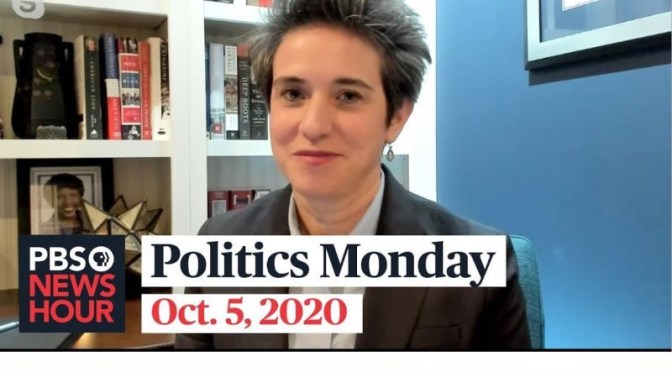
Amy Walter of the Cook Political Report and NPR’s Domenico Montanaro join Amna Nawaz to discuss the latest political news, including how President Trump’s COVID-19 infection is affecting public sentiment toward him, the Biden campaign’s response to the news and how the Supreme Court nomination battle could motivate voters.

NPR News Now: Trump Covid-19 condition, Supreme Court convenes, Senate Judiciary Committee, and other top news.
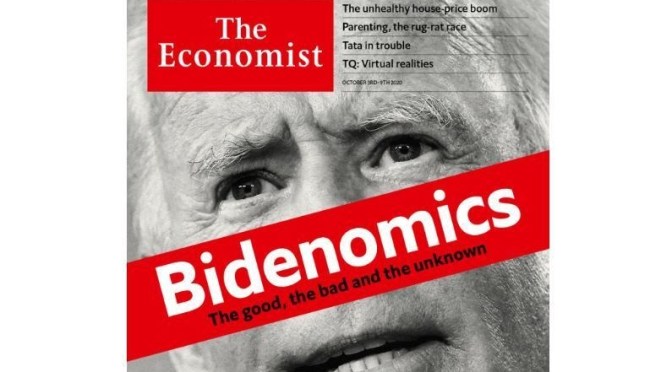
A selection of three essential articles read aloud from the latest issue of The Economist. This week: Bidenomics, Chinese officials want to erase many villages (12:00) and ethnic minorities in Britain (19:10).

Monocle’s Emma Nelson speaks to Vincent McAviney and Rob Cox, plus we hear from The Saturday Paper’s Karen Middleton, and check in with Tokyo and Ljubljana.

Radio News 24/7 | Deutsche Welle reports: President Trump transferred to Walter Reed Medical Center, Germany marks 30th year of reunification, and other top world news.
Syndicated columnist Mark Shields and New York Times columnist David Brooks join Judy Woodruff to discuss the week in politics, including President Trump’s COVID-19 infection and what it means for his campaign and the country, and how the first debate between Trump and former Vice President Joe Biden reflected on the candidates.

OvernightPresident Trump and First Lady Melania Trump announced that they have tested positive for the coronavirus. In a statement shortly thereafter, the White House physician said the Trumps “are both well at this time” and will remain at home.
The president is 74 years old, which generally puts him at higher risk for severe illness from the virus, according to CDC guidelines.
Guests: Axios’ Sam Baker, Alayna Treene and Ashley Gold.

Investigative journalist Charles Piller joins host Sarah Crespi to discuss his latest Science exclusive: a deep dive into the Food and Drug Administration’s protection of human subjects in clinical trials. Based on months of data analysis and interviews, he uncovered long-term failures in safety enforcement in clinical trials and potential problems with trial data used to make decisions about drug and device approvals.
Sarah also talks with Klaus-Robert Müller, a professor of machine learning at the Technical University of Berlin, about an artificial intelligence (AI) trained in the sport of curling—often described as a cross between bowling and chess. Although AI has succeeded in chess, Go, and poker, the constantly changing environment of curling is far harder for a nonhuman mind to adapt to. But AIs were the big winners in competitions with top human players, Müller and colleagues report this week in Science Robotics.

NPR News Now reports: Stop-Gap Spending Bill signed into law, Presidential Debate Commission devises new tools, and other top news.




 Intellicurious