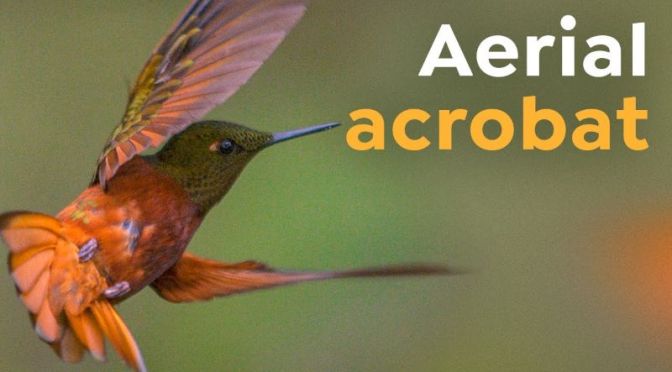
The hummingbird is the smallest bird on the planet, with one species measuring just five centimeters! But inside their tiny bodies are huge brains and hearts – the largest in the avian kingdom relative to body size.
Those brains and hearts are used to power an astonishing metabolism, incredibly strong flight muscles for their high-speed wings, and a formidable intelligence that allows them to remember where to find the sweetest flowers. Dive into the extraordinary world of these aerial acrobats through ultra high-speed HD cameras and cutting-edge remote systems – what you’ll learn may well surprise you!
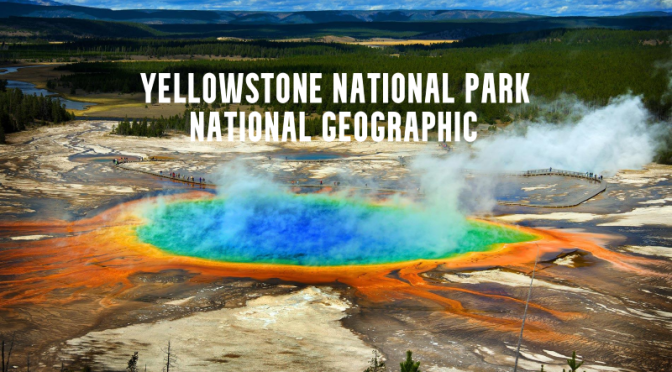
Few places are as special and unique as Yellowstone National Park – the world’s first national park. A wilderness jewel of vast forests and wide-open valleys, home to large bison herds, wolf packs, and grizzly bears. It sits atop one of the world’s largest super volcanoes, giving rise to such iconic geothermal features as Old Faithful geyser and the Grand Prismatic Spring.
This week, world leaders are announcing a series of pledges to protect and sustainably use the world’s oceans. The pledges form the crowning achievement of the ‘High Level Panel for a Sustainable Ocean Economy’ a multinational group formed back in 2018.
The panel has sought to bring together research, published in a number of so-called ‘blue papers’ and special reports by scientists, policy- and legal-experts from around the world – all with the ear of 14 participating world leaders.
Erna Solberg, the prime minister of Norway, co-led the Panel. In this podcast, she speaks with Springer Nature’s editor-in-chief Philip Campbell about the panel’s work.
Scientists have finally confirmed the existence of a CNO cycle fusion reaction in the Sun, and why women’s contraception research needs a reboot.
In this episode:
00:47 Detection of CNO neutrinos
Since the 1930s it has been theorised that stars have a specific fusion reaction known as the CNO cycle, but proof has been elusive. Now, a collaboration in Italy report detection of neutrinos that show that the CNO cycle exists.
We discuss the search for the animal origin of SARS-CoV-2, with researchers raiding their freezer draws to see if any animals carry similar viruses, and the latest vaccine results.
21:50 Getting women’s contraception research unstuck
Since the 1960s there has been little progress on research into women’s contraceptives. This week in Nature, researchers argue that this needs to change.
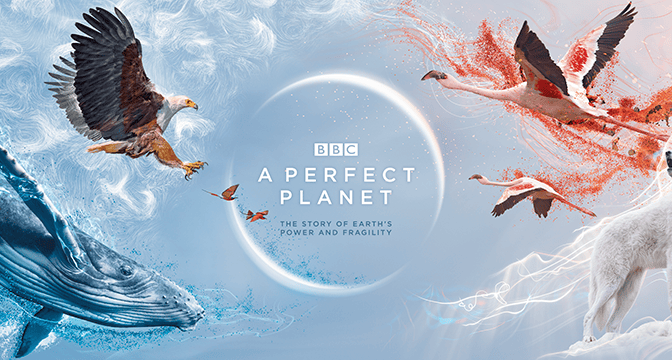
A Perfect Planet is an awe-inspiring exploration of Earth’s power and fragility.
PERFECT PLANET
Planet Earth is perfect. It orbits at the perfect distance from the sun; it tilts at just the right angle and has a decent sized moon to hold it in place. On top of that, the day-to-day workings of the planet naturally serve to nurture animals and plants.
This five part series will show how the forces of nature – weather, ocean currents, solar energy and volcanoes – drive, shape and support Earth’s great diversity of life. In doing so, it will reveal how animals are perfectly adapted to whatever the environment throws at them.
Red squirrels are receiving a helping hand in reclaiming lost ground. A partnership between Trees For Life and The Woodland Trust is returning red squirrels to Ledmore and Migdale woods in Sutherland.
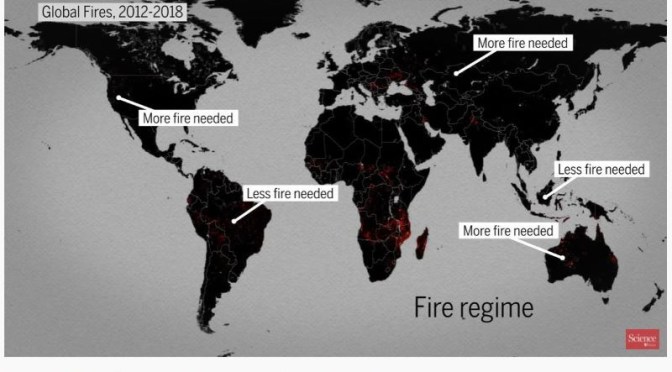
Raging fires throughout the U.S. and Australia over the past year have put vulnerable species at risk. But not all blazes are devastating—in fact, fire can promote biodiversity. In grasslands, fires prevent trees and roots from taking hold. This allows grazing animals the space and vegetation they need to thrive. As the pattern of wildfires changes, a new review in Science outlines effective ways to let natural fires burn, while preventing out-of-control blazes. Watch to learn how a few of these techniques have been applied around the world.
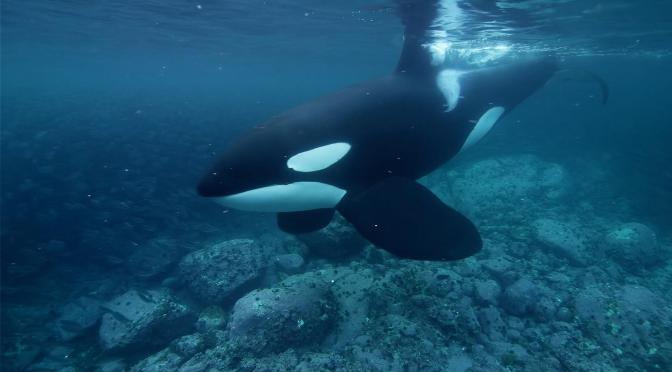
The killer whale or orca is a toothed whale belonging to the oceanic dolphin family, of which it is the largest member. Killer whales have a diverse diet, although individual populations often specialize in particular types of prey.
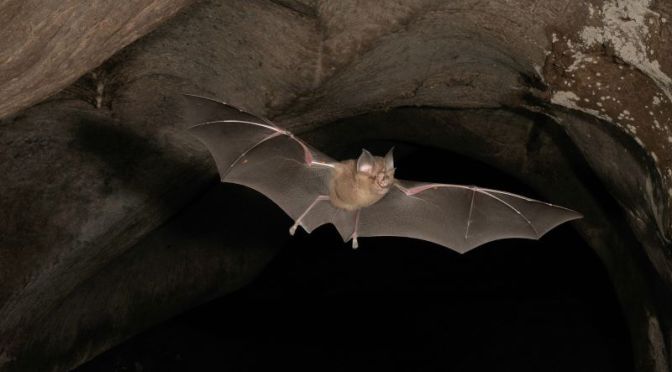
When it comes to viruses jumping from animals to humans, bats hold a unique place in the transmission chain. Christopher Golden and James Longman investigate an abandoned mine for signs of poaching or viruses impacting the bat population.
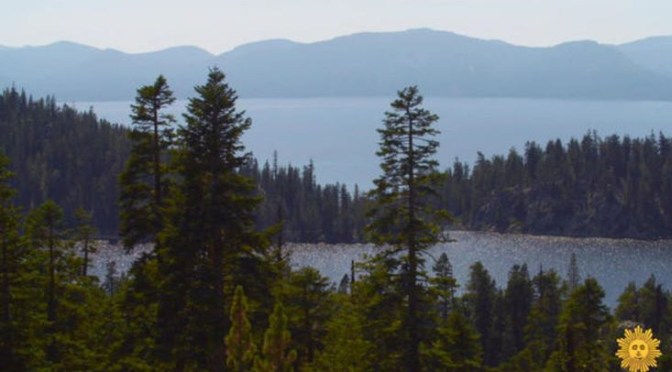
“Sunday Morning” takes us to Tahoe National Forest, northwest of Lake Tahoe, in California. Videographer: Derek Reich.
Tahoe National Forest is a United States National Forest located in California, northwest of Lake Tahoe. It includes the 8,587-foot peak of Sierra Buttes, near Sierra City, which has views of Mount Lassen and Mount Shasta. It is located in parts of six counties: Sierra, Placer, Nevada, Yuba, Plumas and El Dorado.
News, Views and Reviews For The Intellectually Curious