
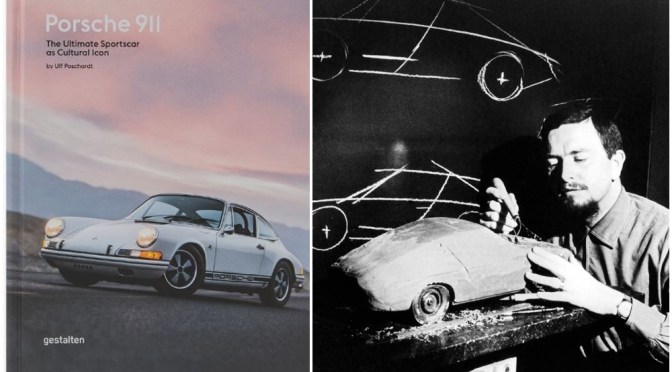
 When Ferdinand Alexander Porsche entered the family business in 1958, he filled an unknown vacuum. An experimental visionary who wanted to challenge tradition, he elevated the design legacy of this famous German brand. From working in the engineering office to craftily creating an icon amongst sportscars, writer Ulf Porschardt reveals how Ferdinand Alexander’s sketches evolved to become a cultural symbol.

Count Goertz designed a prestigious, muscular sports car for the Zuffenhausen-based company that was more reminiscent of a Ferrari or a Maserati…
The Goertzian design was in love with the grand gesture. The same year Roland Barthes declared the car to be the equivalent of the great Gothic cathedrals, and in his popular and shamelessly cited work Mythologies, considered it a major creation of the epoch, passionately conceived by numerous nameless artists. In the style of pop art, Barthes enacted an intellectual and cultural upgrading of the automobile, without the hyper-modern pathos of the futurists.
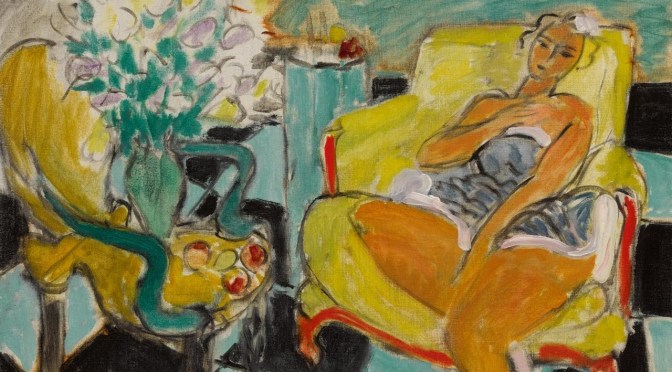
 Unseen since 1949 and set to appear at auction for the first time, this beautiful work is a quintessential example of Henri Matisse’s sensuous odalisques. The elegant model is Italian countess Carla Avogadro, reclining on an extravagant Venetian Rococo armchair that Matisse bought on a whim and, in his own words, became “obsessed” with. ‘Danseuse dans un intérieur, carrelage vert et noir’


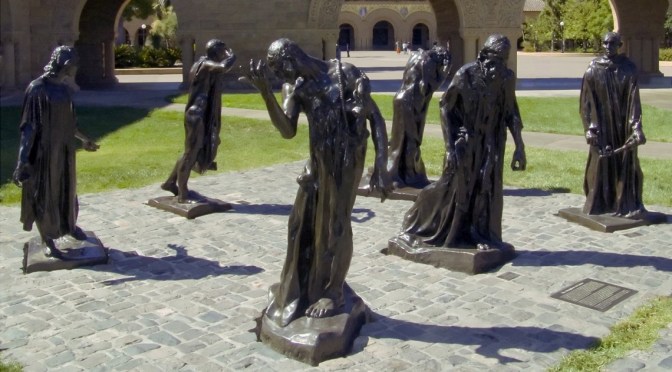
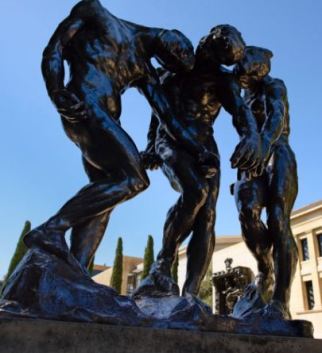
 It’s interesting that Rodin attracts so much attention from medical experts, especially here at Stanford, who have used his hands for diagnostic purposes. It’s true that Rodin was intensely interested in exploring pathologies of the body, especially now-discredited understandings of female hysteria. But there is also the irony that Rodin became furious after a critic accused him of making his first life-size figure through life casting, rather than modeling it himself. It should go without saying, but Rodin’s hands are not hands – not real ones, anyway – and their expressive forms don’t align neatly with the anatomical reality of hands in flesh and blood or even their more naturalistic counterparts. But the very fact that they elicit such responses demonstrates the power of art to provoke challenging questions that drive innovative paths of research that cut across disciplines, particularly in a university setting.
 Intellicurious