
Category Archives: Health

Health & Design: The New “Touchless Products” To Limit Spread Of Germs
The importance of touchless bathroom and kitchen products during the coronavirus pandemic is highlighted in this video interview with Patrick Speck from Grohe, as part of the brands takeover of Virtual Design Festival Today.
Speck is the the vice president of design consumer experience for the EMENA region of Japanese water technology brand Lixil, which is the parent company of bathroom and kitchen brand Grohe. Speck told Dezeen that following the coronavirus pandemic, the brand has seen an increased demand for products that limit the spread of germs and diseases.
“With the increased demand for hygiene we’re having right now, we know that to minimise the risk of spreading germs and also cross contamination, we need to reduce contact with any surface as much as we can,” Speck explained in the video. According to Speck, the solution could be touchless products such as faucets and toilets that rely on sensor technology.
Read more on Dezeen: http://www.dezeen.com/vdf

Medical History: “The Facemask Through The Centuries (CBS Video)
Originating during the Black Death of the Middle Ages, face coverings to protect against the transmission of disease are not just medical requirements; they’re now a fashion statement. Mark Phillips talks with medical historian Mark Honigsbaum (“The Pandemic Century”) about the purpose and style of facemasks.

Coronavirus: “Confusing Hydroxychloroquine Studies” (Nature Podcast)
 President Trump’s preferred coronavirus treatment is the focus of a new study suggesting it could cause more harm than good, but not everybody agrees. We discuss the fallout as trials around the world are paused and countries diverge over policy advice.
12:12 Are we rushing science?
Coronavirus papers are being published extremely quickly, while normally healthy scientific debate is being blown up in the world’s press. Is there a balancing act between timely research and accurate messaging?
18:49 One good thing
Our hosts pick out things that have made them smile in the last week, including hedgerow brews and a trip into the past using AI.
Recipe: Elderflower ‘Champagne’
Video: Denis Shiryaev restores historic footage with AI
22:30 The latest coronavirus research papers
Noah Baker takes a look through some of the key coronavirus papers of the last few weeks.
News: Coronavirus research updates
medRxiv: Full genome viral sequences inform patterns of SARS-CoV-2 spread into and within Israel
Harvard Library: Reductions in commuting mobility predict geographic differences in SARS-CoV-2 prevalence in New York City
Science: DNA vaccine protection against SARS-CoV-2 in rhesus macaques

Covid-19 Podcasts: “Is Banning Certain Events the Key to Reopening?”
 A bar in the Swiss Alps. A megachurch in South Korea. Scientists are focusing on certain superspreading events that might be responsible for an outsized portion of coronavirus cases.
Bojan Pancevski explains how this understanding could be key to reopening.
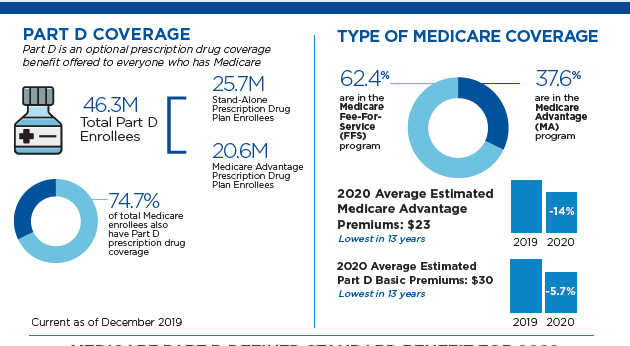
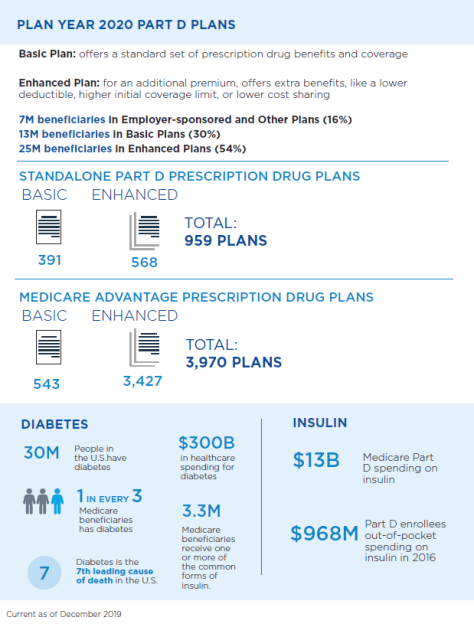
Infographic: “Medicare Part D At A Glance” (2020)
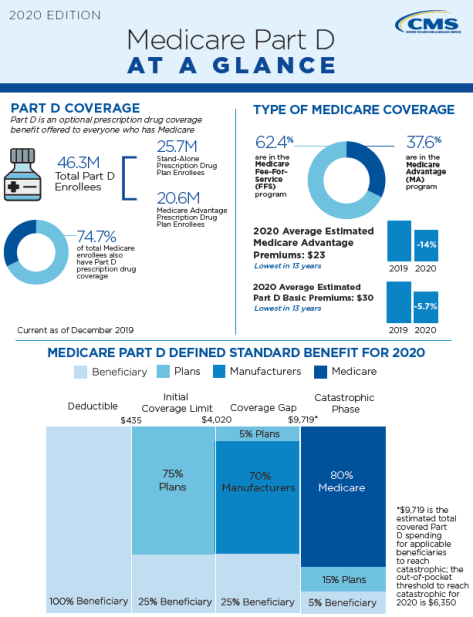
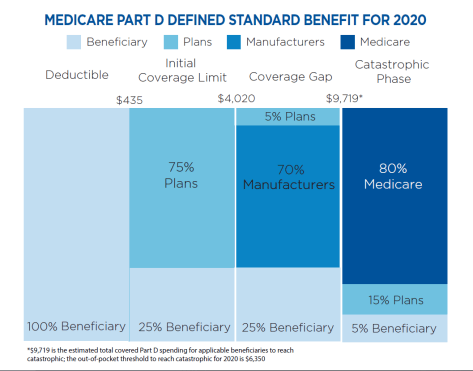

Health Infographic: “The Wide Impact Of The Covid-19 Lockdown” (BMJ)


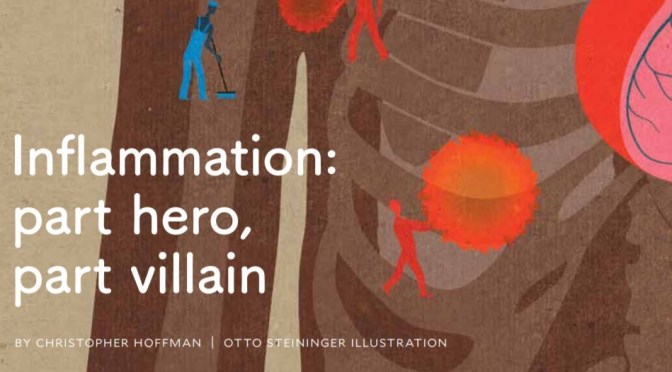
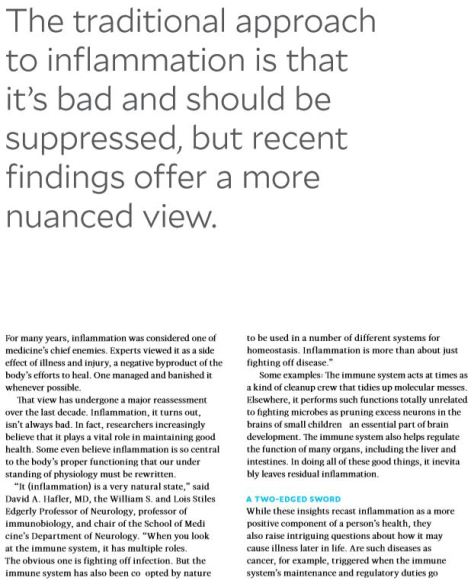
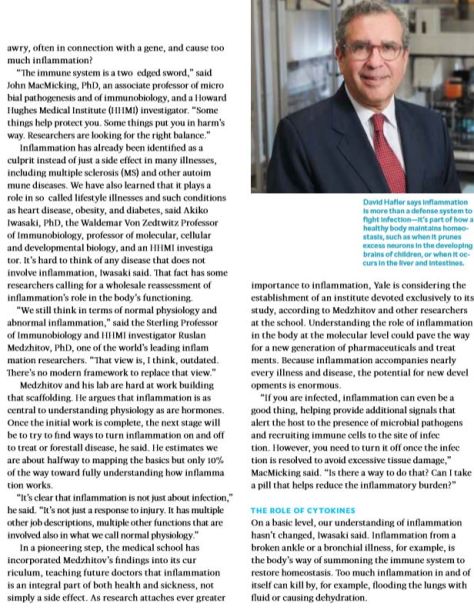
Health: “Inflammation – Part Hero, Part Villain” (Yale Medicine Magazine)

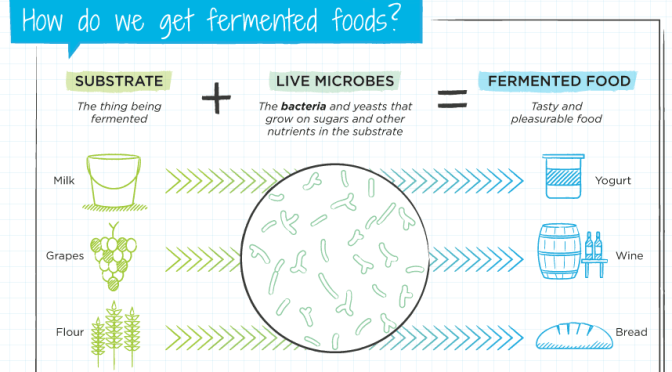
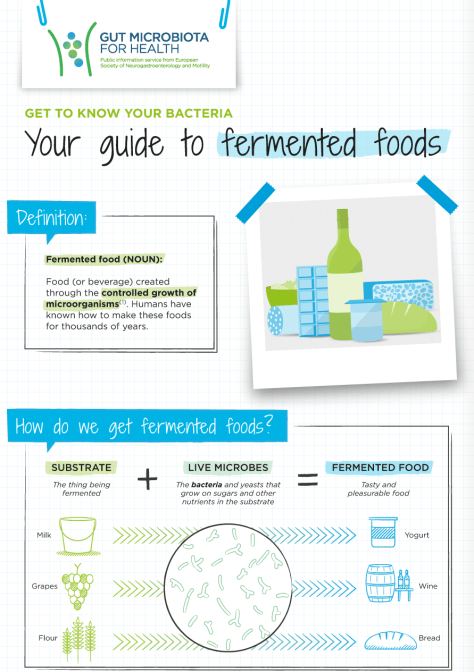
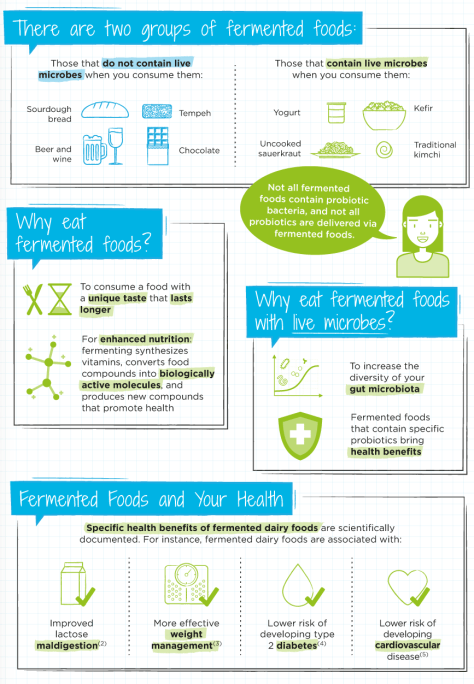
Infographics: “What Are, How We Get And Why Do We Eat Fermented Foods”
Podcasts: “Developing Covid-19 Vaccines At Pandemic Speed” (NEJM)
 Interview with Dr. Nicole Lurie on rapid vaccine development, including new tools to facilitate vaccine testing and manufacturing and persistent challenges.
The need to rapidly develop a vaccine against SARS-CoV-2 comes at a time of explosion in basic scientific understanding, including in areas such as genomics and structural biology, that is supporting a new era in vaccine development. Over the past decade, the scientific community and the vaccine industry have been asked to respond urgently to epidemics of H1N1 influenza, Ebola, Zika, and now SARS-CoV-2. An H1N1 influenza vaccine was developed relatively rapidly, largely because influenza-vaccine technology was well developed and key regulators had previously decided that vaccines made using egg- and cell-based platforms could be licensed under the rules used for a strain change. Although a monovalent H1N1 vaccine was not available before the pandemic peaked in the Northern Hemisphere, it was available soon afterward as a stand-alone vaccine and was ultimately incorporated into commercially available seasonal influenza vaccines.
Nicole Lurie is a strategic advisor to the CEO of the Coalition for Epidemic Preparedness Innovations. Stephen Morrissey, the interviewer, is the Executive Managing Editor of the Journal.
 Intellicurious