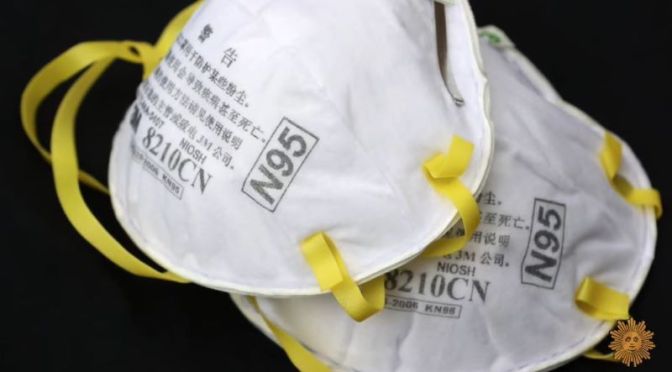

How can you tell if the mask you’re wearing is protective enough against the coronavirus? Correspondent David Pogue volunteers as a test subject to see how N95s work and learns about the science of face coverings.
Clinical Reference Laboratory CEO Bob Thompson talks about Walgreens offering a Covid-19 at-home saliva test.
Bloomberg News Equity Markets Reporter Esha Dey discusses Tesla falling below its S&P 500 entry level and wiping out 2021 gains. Bloomberg Businessweek Editor Joel Weber and Bloomberg News Chief Energy Correspondent Javier Blas walk through the story “Pennsylvania Teachers’ Pensions Helped Fund War Over Oil in Iraq.” Dartmouth Professor of Economics Danny Blanchflower provides a recap of Fed Chair Jerome Powell’s semi-annual monetary policy report to the Senate Banking Committee. And we Drive to the Close with Ryan Detrick, Senior Market Strategist at LPL Financial. Hosts: Carol Massar and Tim Stenovec. Producer: Doni Holloway.
Milk is an optional part of a healthy diet for most adults, and may even be harmful if consumed excessively.
A virus is a submicroscopic infectious agent that replicates only inside the living cells of an organism. Viruses infect all types of life forms, from animals and plants to microorganisms, including bacteria and archaea.
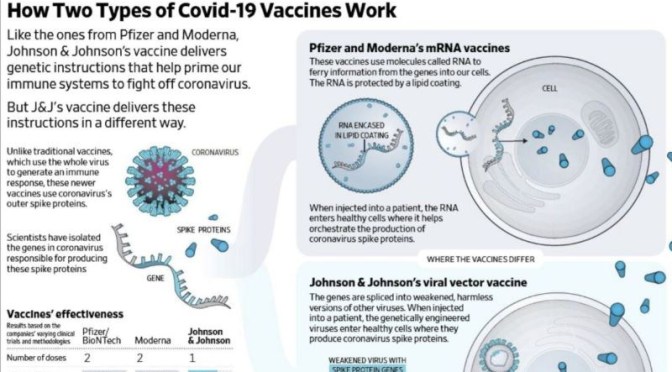
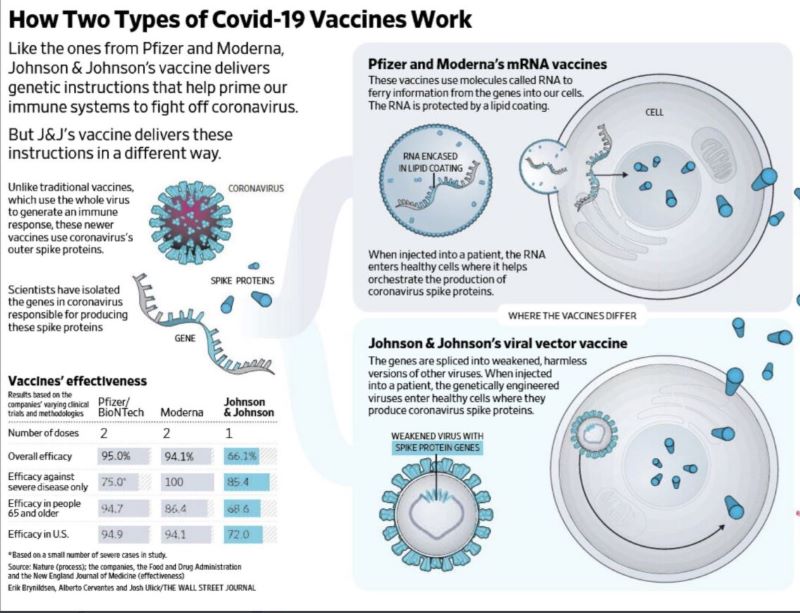
As highly transmissible coronavirus variants sweep across the world, scientists are racing to understand why these new versions of the virus are spreading faster, and what this could mean for vaccine efforts. New research says the key may be the spike protein, which gives the coronavirus its unmistakable shape. Illustration: Nick Collingwood/WSJ