
The 1960s: Fuoriserie cars
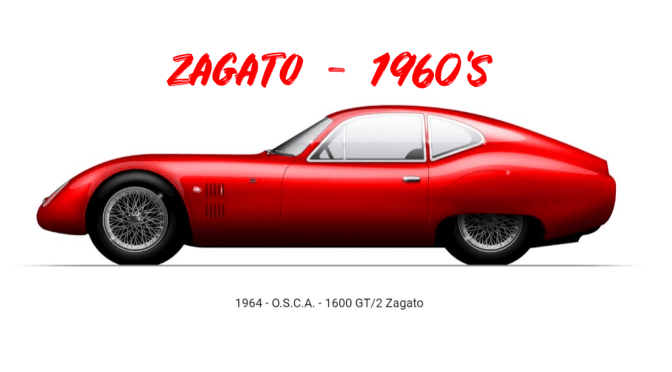
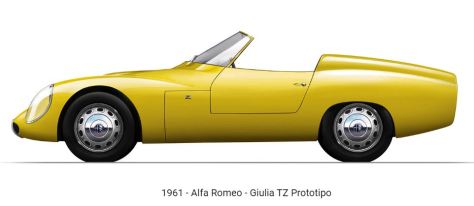
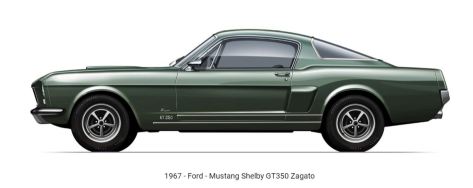
The higher demand for special bodies required a passage from a handcraft to an industrially-based organization. Elio Zagato found a larger location at 30 Via Arese in Terrazzano (northwest of Milan), very close to Arese where Alfa Romeo would have chosen soon to establish its new plants. In 1960 Ugo Zagato was awarded with the Compasso d’Oro design prize for the design of the Fiat Abarth 1000 Zagato. In this period the mission of Zagato was to design special bodies to be assembled in series and fitted with mechanical parts and interiors supplied by major constructors. Under the partnership with Alfa Romeo the Giulia SZ, the TZ, TZ2, 2600 SZ, the 1750 4R and the Junior Zagato were born. In partnership with Lancia, Zagato continued the “Sport” series with the Lancia Appia Sport, the Flaminia Sport and Super Sport, the Flavia Sport and Supersport and the Fulvia Sport and Sport Spider. In addition there were some for special customers: Osca, Lamborghini, Bristol, Rover, Honda and Fiat.
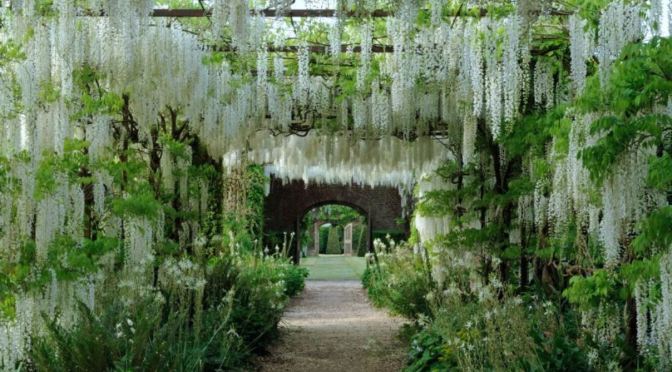
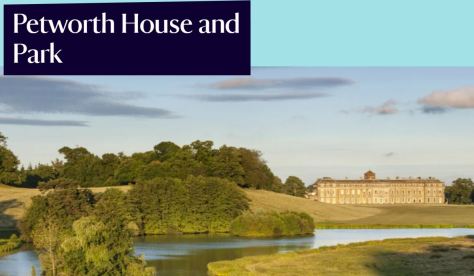
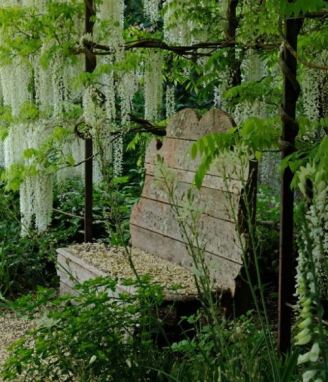 The wisteria at Petworth’s private garden is simply astonishing. Non Morris takes a look at how it’s done, with pictures by Val Corbett.

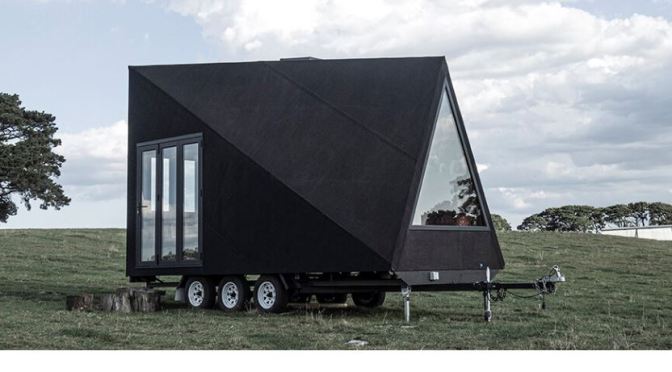
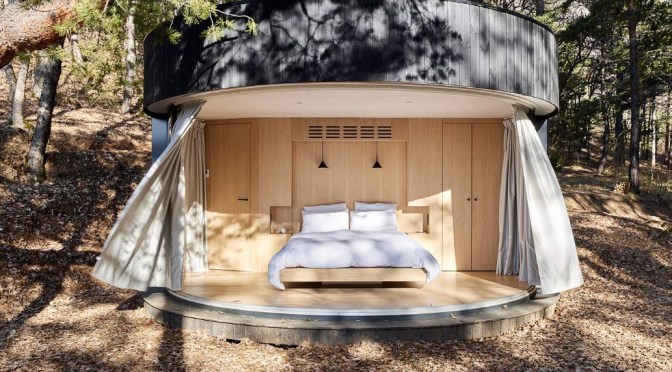
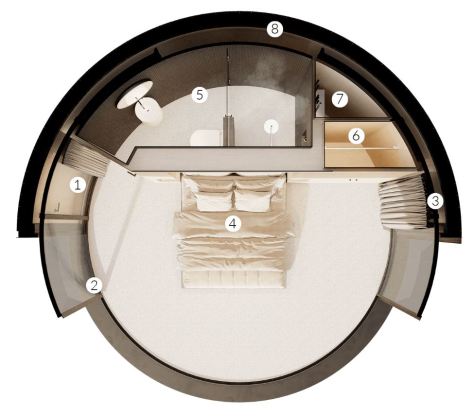
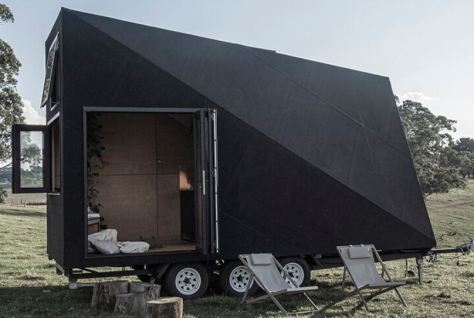
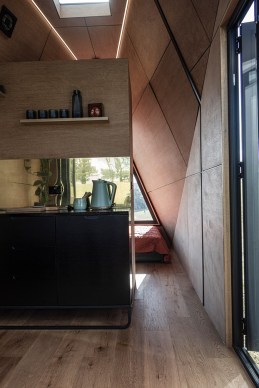 The design is inspired by the A-Frame cabin & iconic airstream trailer. The A-frame structurally efficient & using less material than conventional portal framed buildings. Mute in its appearance & clad in black rubber to blend into its surrounds.
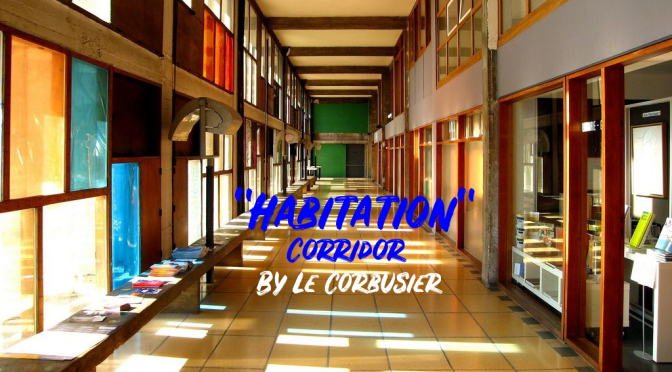
 “Monocle On Design” talks with writer and academic Roger Luckhurst as he shares the utopian ideals behind the humble corridor.
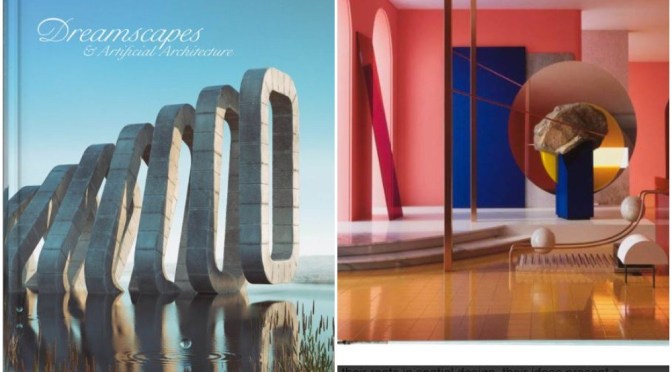
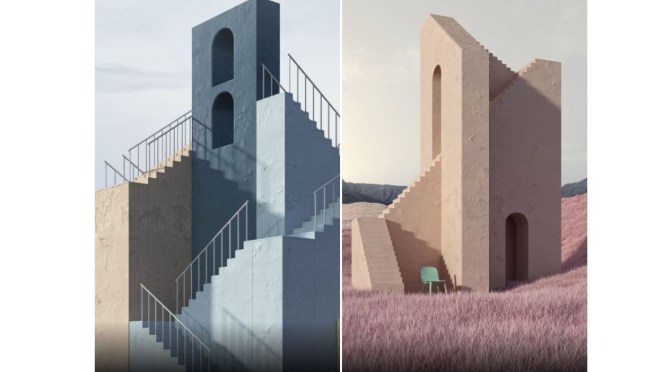
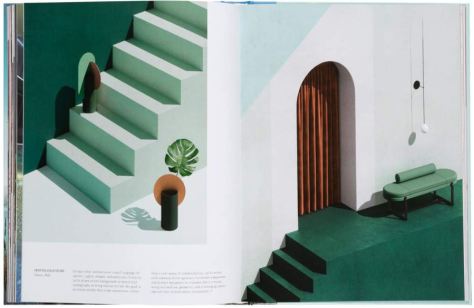
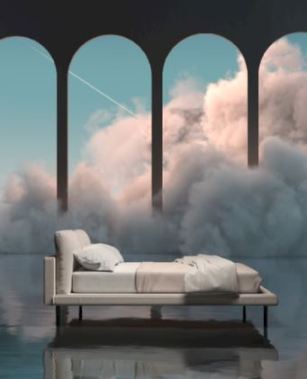 This inspiring compilation of the most innovative projects in digital art covers the work of the artists and creatives at the forefront of this aesthetic. Discover Filip Hodas and his captivating pop culture dystopia artwork series, explore Massimo Colonna’s surrealist urban landscapes and dive into the abstract compositions of Ezequiel Pini, founder of Six N. Five studio.
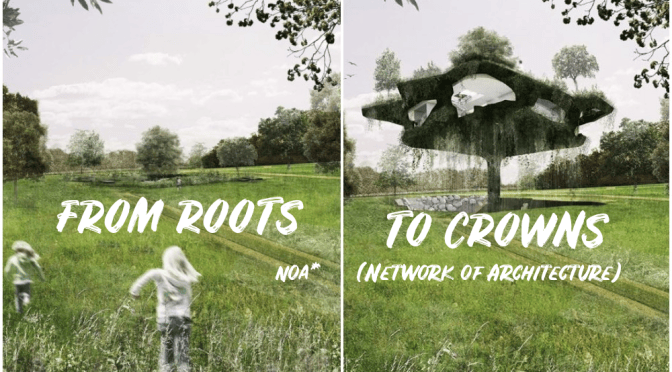
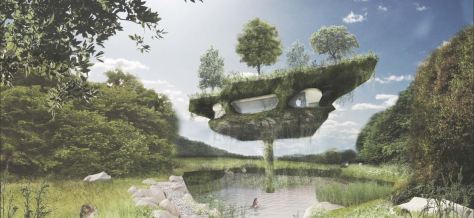
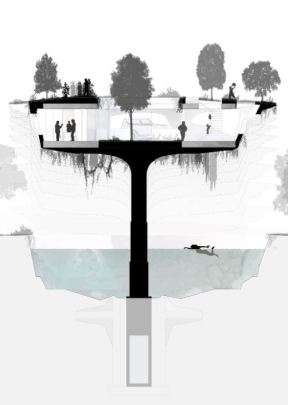 “from roots to crowns” describes the vertical metamorphosis of a hybrid building, moving from below ground through fields and trunks up to the crowns. It is a living shell on the move, able to take on 3 main positions “under the earth”(-1), “on the fields” (0) and “in the tree crowns” (+1+2). The lifting house is a visionary way of adapting the concept of “living and working in nature” to the varying requirements of its inhabitants.